

For retailers moving into 2026, keeping up with the newest display trends isn’t just a plus — it’s a must. This guide walks you through the key ideas and fresh shifts in retail displays, so you can build a store that attracts, keeps, and converts customers.
I. Why Is Retail Merchandising the Cornerstone of Your Success?
When opening a new store, owners usually focus on location, products, and price. Merchandising, though, is often seen as less important—or even overlooked.
But the truth is, good store displays are one of the most important keys to retail success. Data and experience both prove it.
- Directly drives purchases:Studies show that nearly 80% of purchase choices happen inside the store. What customers see, touch, and experience on-site shapes what they end up taking home. Good displays can lift sales by up to 30%. It’s not just about putting products out—it’s about arranging them in a way that tells a story and triggers impulse buys.
- Builds brand storytelling:Think of your store layout as a silent conversation with your customers. Every choice—from the colors and lighting to how products are grouped—tells your brand’s story and builds an emotional connection. It’s how you turn a simple purchase into a relationship.
- Creates a unique experience:Think of your store as a stage. In a world of one-click buying, your physical space’s superpower is creating an immersive experience. Amazing displays make shopping feel like a discovery, not a chore—and that’s something no website can truly copy.
· Therefore, for any retailer—whether a startup brand or an established store seeking renewal—understanding and mastering the fundamentals and trends of retail merchandising is not only beneficial but absolutely essential.
II. Store Layout: Designing the Blueprint for Customer Flow
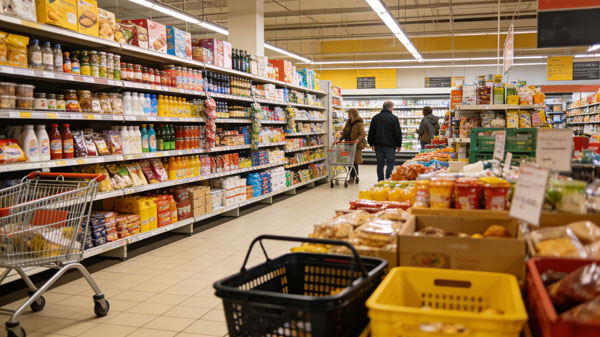
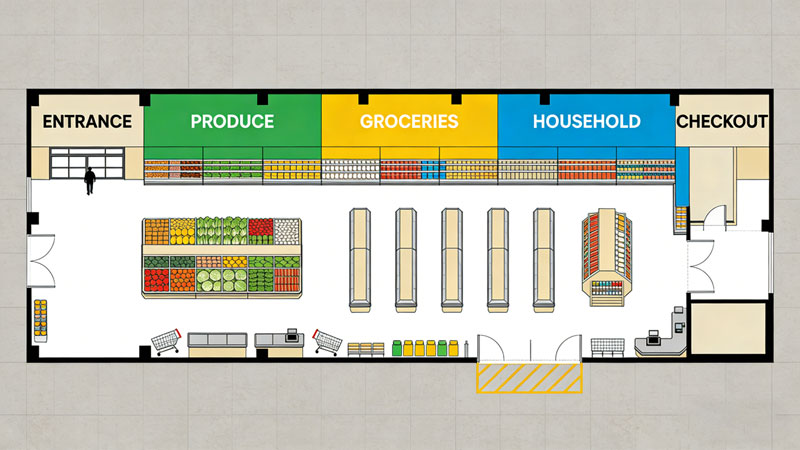
Before considering how specific products should be displayed, it is essential to plan the store’s overall layout. Layout serves as the framework for merchandising, determining how customers move through your space, browse, and ultimately encounter products.
In 2026, the following classic layout strategies remain effective. The key lies in selecting and integrating them based on your product, space, and brand positioning:
When choosing a store layout, you can decide which approach works best based on your products, space, and brand style. Here’s a breakdown of five common layouts—each with its own use and strategy:
- Grid Layout
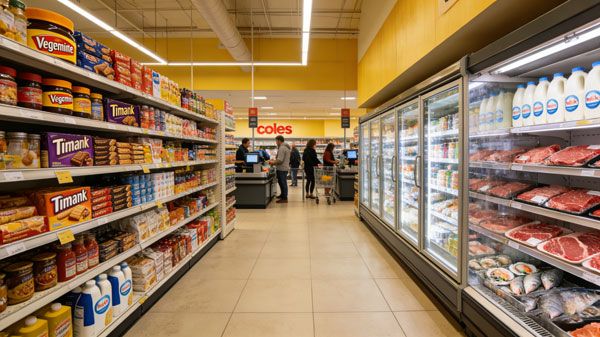
You’ve probably seen this layout everywhere—supermarkets, pharmacies, and convenience stores use it all the time. It’s made up of straight aisles with products lined up neatly on shelves on both sides.
Why it works: It makes the most of your space, especially the end caps(those displays at aisle ends), which are prime spots for promotions and catching attention. You’ll want to place your best-sellers at eye level. This layout feels organized and familiar, making it easy for customers to find what they need.
Best for: Stores with a wide range of products where customers browse systematically—think bookstores, grocery stores, or hardware shops. - Circular/Track Layout
Common in department stores, this layout creates a clear guided path that leads customers along a set route, taking them through most of your merchandise areas.
The idea here: Set up distinct product zonesalong the path and place eye-catching displays at key points. This way, you expose customers to more products while gently steering their journey through the store.
Great for: Medium to large stores that want to control customer flow and make sure most items get seen. - Free-Flow Layout
This style breaks away from fixed aisles. Instead, it uses creative and flexible arrangements to encourage browsing and discovery—perfect for boutiques and specialty stores.
Focus on: Creating visual interest. Play with different display heights, group products in imaginative ways, and design focal points that draw customers deeper into the space.
Ideal for: Stores selling unique, higher-margin items where you want to build an experiential, explore-friendly environment. - Herringbone Layout
In this layout, aisles branch out diagonally from a central walkway, like a fishbone. It’s a smart way to use narrow spaces while keeping sightlines open.
Key tips: Make those end caps really stand out, and keep the store visually open so customers can see across sections easily.
A good fit for: Stores with limited or long, narrow spaces that still need to display a lot of products.
5. Diagonal Layout
This one uses angled aisles to improve visibility and movement. It adds more visual energy than straight aisles and creates extra end-cap opportunities.
When setting up: Highlight related items at aisle intersections and create feature displays at the ends of aisles.
Works well if: You want the efficiency of a grid layout but with better visibility and a more dynamic shopping vibe.
III. Core Display Principles Every New Retailer Must Know
After establishing the overall layout, the next step involves core principles guiding specific display decisions. These principles apply universally regardless of product type or store size.
- The Science of Product Placement: Horizontal and Vertical Rules
Ever wonder why products are placed exactly where they are? It’s actually a science. Good placement follows the customer’s natural flow and attention patterns.
- Horizontal Placement Principle (Across Shelves or Display Counters):
- Center Hotspot:Position the most popular or highest-margin products at the center to naturally draw maximum attention.
- Associated Complements:Place complementary items nearby to encourage additional purchases.
- Balance the Ends:Utilize end caps for less popular items to balance visual appeal without wasting prime display space.
Vertical Placement Principles (Vertical Relationships on Shelves or Walls):
- Golden Eye Level:“Eye level equals purchase level.” Position high-margin or featured items in the prime zone approximately 1.2-1.5 meters (4-5 feet) above floor level.
- Heavy Bottom, Light Top:Larger, heavier items should occupy lower shelves for safety and convenience.
- Top Shelf Purpose:Reserve top shelves for lighter, less frequently purchased items or purely decorative visual elements.
- Visual Flow:Create a natural top-to-bottom visual path. Following this principle can boost sales of specific products by up to 40% simply by moving them to eye level.
- Create Visual Impact with the Right Display Fixtures
Your display fixtures are the foundation of your store’s look. When choosing them, keep this checklist in mind:
- Fit your products:They need to be the right size, strength, and type.
- Match your brand:Their style should reflect your brand’s aesthetic.
- Stay flexible:They should be easy to adapt when your inventory changes.
- Be built to last:They have to withstand daily use without wearing out.
Common, go-to display fixtures you’ll see in stores include:
- Shelving (on walls or standing alone)
- Display tables
- Clothing racks
- Mannequins and dress forms
- Glass cases (perfect for high-value items)
- Center islands and end caps (great for featuring products)
- Pegboards and grid panels (versatile for walls)
Why quality matters: Investing in well-made fixtures is key—they’re the foundation of your store’s look and directly shape how customers view your products.
IV. 2026 Retail Display Design Trends Outlook
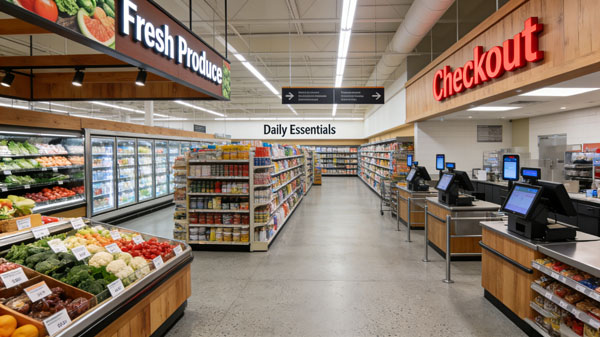
The retail landscape is constantly evolving, and staying abreast of display trends keeps your store fresh and appealing.
1.
Experience-Driven Shopping Environments
Modern consumers crave experiences, not just products. Retail displays are focusing on creating immersive environments that engage multiple senses and encourage customers to linger longer.
2.
- Interactive Experience Stations:Such as makeup trial counters and product testing zones.
- Digital Enhancements:Use digital elements to enrich the information and appeal of physical displays.
- Comfortable Rest Areas:Create seating zones inviting customers to relax and extend their stay.
- Sensory Elements:Skillfully incorporate scents, background music, and varied textures. For example, Sephora’s beauty bars and testing stations helped increase their average transaction value by 35%.
3.
Technology Integration in Modern Displays
Technology is transforming retail display design in exciting ways. Even small retailers can incorporate tech elements to elevate the experience:
4.
- Digital Signage:Easily updatable dynamic ads and promotional messages.
- QR codes:Linking to product details, videos, or online activities.
- Interactive touchscreens:Enabling product exploration and self-service inquiries.
- Augmented reality features:Helping customers visualize product effects (e.g., furniture placement, makeup trials).
These technologies needn’t be expensive; even simple applications can significantly elevate your display strategy.
5.
Sustainable and Adaptable Display Solutions
Sustainability matters not only for the planet but increasingly influences consumer decisions. Retail display concepts are actively embracing:
- Eco-friendly materials:Utilizing recyclable, biodegradable, or sustainably sourced materials.
- Upcycled elements:Giving old materials new life to add uniqueness and narrative appeal.
- Energy-efficient lighting:Implementing high-efficiency systems like LEDs.
- Redesignable structures:Creating display systems that can be easily adjusted and reconfigured rather than discarded.
Additionally, adaptable displays that can be quickly adjusted for seasonal merchandise or promotions help maintain store freshness while reducing waste.
V. Common Display Challenges and Practical Solutions
Even with meticulous planning, retailers often encounter display challenges. Below are common issues and their solutions:
Overcoming Space Constraints
Limited space is a universal challenge for new retailers.
- Go Vertical:Utilize vertical space with tall, narrow display fixtures.
- Modular Systems:Opt for reconfigurable modular display systems.
- Wall-mounted displays:Free up floor space.
- Mirrored surfaces:Strategically place mirrors to create an illusion of expanded space.
- The art of negative space:Remember, empty space matters—overcrowded displays overwhelm customers and diminish product value.
Balancing Aesthetics and Functionality
Display arrangements must harmonize visual appeal with practicality.
- Stability and Safety:Ensure displays are secure and stable.
- Easy Access:Enable customers to effortlessly touch and examine products.
- Maintenance Efficiency:Design displays that facilitate easy restocking and upkeep by staff.
- Cleaning Considerations:Account for daily cleaning and dusting convenience during design.
The most effective retail product display solutions integrate visual appeal with practical functionality.
Managing Inventory Turnover in Displays
Keeping displays fresh as inventory changes is a major challenge. Data shows that 81.1% of consumers frequently encounter out-of-stock items, and 57.2% choose to shop elsewhere.
- Easy-Replenishment Design:Create display structures that facilitate quick restocking.
- Update Schedule:Establish a regular display refresh plan.
- Staff Training:Train employees in proper merchandise placement techniques.
· Effective Signage: Use signage to highlight new arrivals or limited-stock items.
VI. Implementation Strategies for Effective Store Merchandising
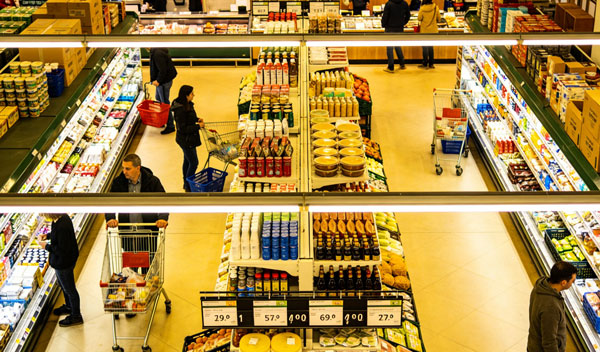
Having understood the principles and challenges, let’s explore how to implement effective merchandising strategies in your store.
Develop a Unified Visual Merchandising Plan
A successful retail merchandising strategy begins with a comprehensive plan:
- Define Brand Aesthetics:Ensure all displays reflect the brand’s identity.
- Create Store Layout Plans:Map out visual floor plans for the entire store.
- Identify Key Zones:Pinpoint critical display areas and visual focal points.
- Plan for Change:Anticipate seasonal shifts and promotional events.
- Establish a budget:Allocate funds for props and visual merchandising elements.
Document this plan and share it with all staff to ensure display consistency.
The Role of Lighting in Enhancing Displays
Lighting is one of the most powerful tools in retail display design. Proper lighting can:
- Highlight featured products.
- Create ambiance.
- Guide customer flow.
- Enhance color and texture.
Consider combining ambient lighting, accent lighting, and task lighting to create layers that add depth to displays.
Seasonal and Promotional Display Strategies
Maintaining store freshness requires regular display updates. Create a calendar for this purpose:
- Major seasonal shifts:4-6 times annually.
- Holiday-specific displays.
- New product launch displays.
- Special promotions and sales.
Each update doesn’t need a complete overhaul—sometimes changing a focal display or refreshing the window is enough to signal “freshness” to returning customers.
VII. Learning from the Best: Practical Retail Display Case Studies
We can gain valuable insights from successful retailers.
Lessons from Major Retailers
Target’s store redesign initiative: Achieved a 2-4% sales increase in redesigned stores by creating more intuitive navigation and engaging displays. Key elements included curved aisles, enhanced product lighting, intuitive product grouping, and dedicated zones for featured merchandise.
Sephora’s Interactive Strategy: Revolutionized beauty retail through interactive displays, including: makeup bars for product testing, digital tools for product matching, clear categorization and unified signage, and regularly rotating featured brand displays.
Applying Big-Brand Strategies to Small Retail Spaces
Effective displays don’t require a large budget. Small retailers can adapt big-store tactics by:
Focusing on one impactful display rather than multiple mediocre ones.
Using creative, low-cost materials for seasonal updates.
Social media showcases: Leverage social media to showcase display changes.
Local collaborations: Partner with local artists or students to design window displays.
Remember, customized retail displays don’t have to be expensive—creativity and consistency often matter more than budget.
Conclusion: Building Your 2026 Display Strategy
Effective store displays are a powerful tool for retail success. By understanding the fundamentals of store layout, display principles, and current trends, you can create a shopping environment that attracts customers, showcases merchandise effectively, and drives sales.
Crucially, your display strategy should evolve over time. As your business grows, consumer preferences shift, and new products are introduced, approaches that work today may need adjustment tomorrow. The most successful retailers view their store displays as an ongoing dialogue with customers—always communicating, always fresh, always engaging.
When implementing these retail display fundamentals, focus on creating an experience that reflects your brand, meets customer needs, and makes shopping in your store a pleasure. With thoughtful planning and regular updates, your retail displays will become one of your most powerful sales tools.
As we enter 2026, retail displays have evolved into a new phase that integrates art, technology, and sustainability. It demands that store owners be not only merchants but also spatial designers, experience architects, and brand storytellers. Now is the perfect time to re-examine your retail space and use these latest insights to create a future-ready, unforgettable shopping destination.