
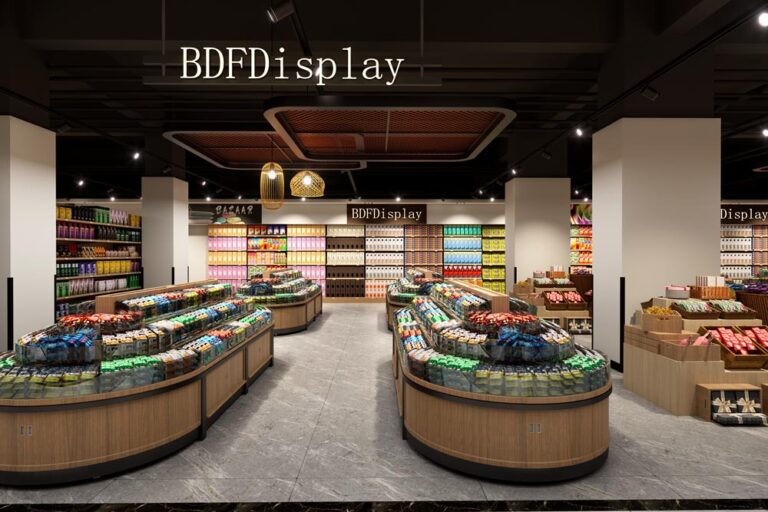
1500㎡ Large Lifestyle Grocery Store Design & Free 3D Layout
large grocery supermarket layout, daily goods retail store design, heavy-duty supermarket shelving, full-category lifestyle store planning
🌐 China Factory × Global Service | Custom Display Cabinets & Store Furniture for Retail Brands

Retail is a battlefield these days. If you run a shop, you’re constantly thinking: how do I draw customers in with my displays and turn browsers into buyers? Setting up your merchandise well isn’t just neat and tidy stacking—it’s a whole skill set. You’ve got to balance looks, customer psychology, your floor plan, and hard sales numbers. Let’s see what techniques are available.
Think of your store displays as a silent salesperson. Their main goal? To attract customers and boost sales. They grab your attention with eye-catching arrangements, then gently guide you through the space to discover more. Ultimately, great displays aim to make browsing fun, looking captivating, and buying effortless—that’s the magic of a real store.
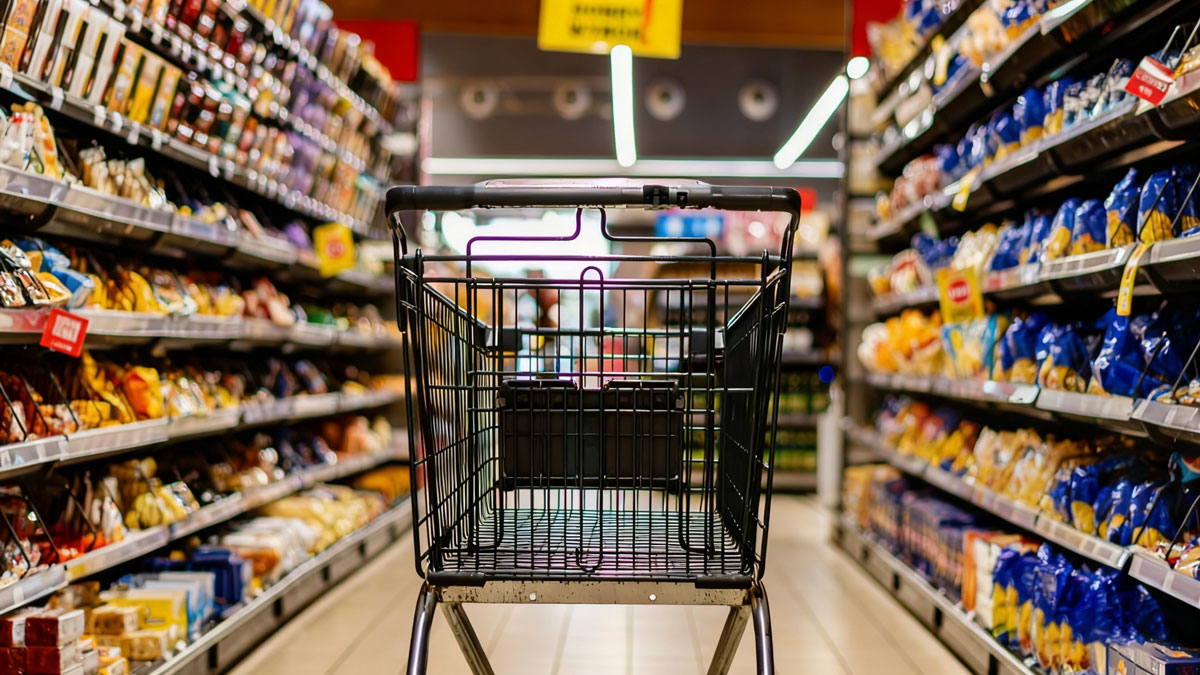
minds and habits
Think about your own shopping experience: When you walk into a store, what catches your eye first? How does your gaze move? A good display acts like a thoughtful guide, naturally directing your steps and gaze to what you should see.
We all dislike feeling overwhelmed while shopping. Cluttered displays or excessive information easily frustrate shoppers into leaving. Smart displays, therefore, simplify the experience—highlighting key items you want to sell while creating a relaxed, pleasant atmosphere. This allows customers to instantly spot the focus, subtly sparking the impulse: “This is great—I want to buy it.”
Simply put, display design isn’t just about arranging goods attractively. It’s about aligning with customers’ instincts and emotions, reducing their hesitation, and making purchasing decisions simpler and more enjoyable. This is the secret to boosting sales through psychology.
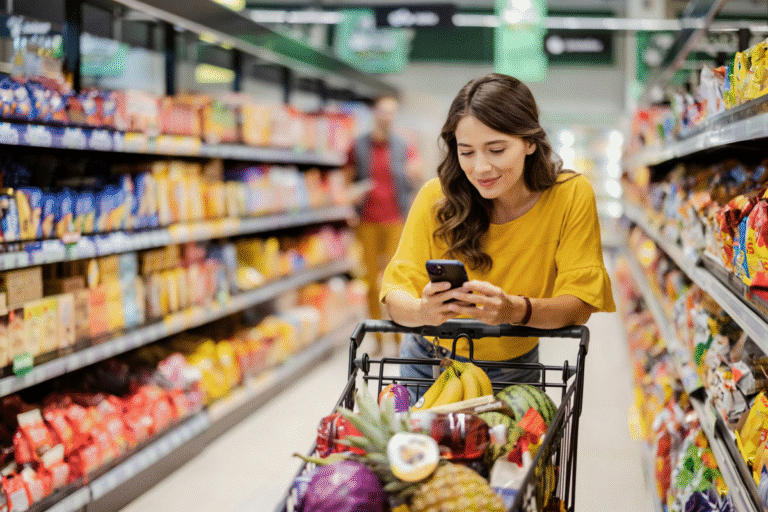
Clarity is the most important rule for displays. A good setup makes sense to customers right away—they can tell how products are organized, what they’re for, and what they cost. Good signs and clear zones save people time and prevent the frustration of feeling lost. This helps shoppers settle into a more relaxed state faster. Ultimately, a simple layout is the foundation for a smooth and satisfying experience.
Highlight Your Best Sellers: You have limited space and your customers have limited attention. Focus your efforts on the products that matter most. Using your sales data, place your hottest items, special promotions, or high-margin goods in prime locations—think the entrance, by the register, or at the end of main aisles. This guarantees they get noticed, helps steer customer purchases, and maximizes your sales per square foot.
Encourage Interaction: A display is more than just a visual. The “you can try it” factor is a key advantage physical stores have. Designs that let customers easily pick up, touch, and sample products build a much stronger connection and trust. It moves people from passive observers to active participants, which lowers the hurdle to making a purchase and turns browsers into buyers.
Build Depth and Interest: Effective displays tell a story with layers, not just a flat picture. Mix up shelf heights, vary how far back props are placed, and use color thoughtfully to create visual depth. This not only guides the customer’s gaze through the entire space but also makes the environment itself more engaging and enjoyable to be in.
Keep It Fresh: Static displays get stale. To keep your store lively, regularly refresh your layouts based on the season, upcoming holidays, or your marketing plans. This constant renewal excites your regular customers with new discoveries and quickly communicates your brand’s latest news and offerings to the market.
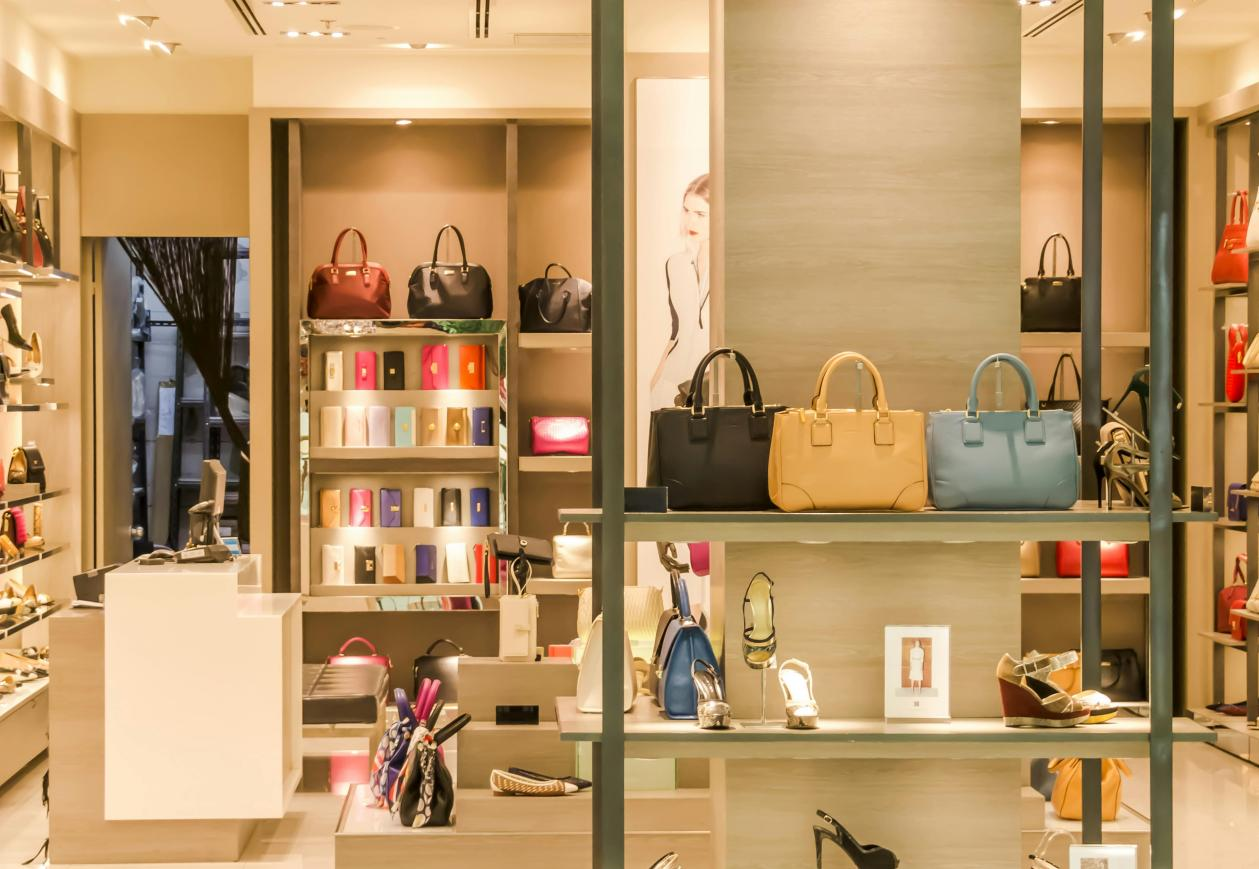
Golden Triangle Layout Method The Golden Triangle Method means putting important products in the three main spots customers see first when they walk into your store—usually the wall straight ahead, the right side, and the back wall. The idea is simple: place your best-selling, newest, or special-offer items in these spots because they’re most likely to be seen. In practice, you can use eye-catching displays or special sections in these three areas, along with good lighting and clear signs. You can also arrange shelves or use floor guides to naturally lead customers past these spots, helping them notice—and buy—more products.
Hot Zone and Cold Zone Analysis “Hot zones” are where customers spend more time and buy more. “Cold zones” are areas they often miss or ignore. You can find these zones by watching customer movement or using store heatmaps. Once you know where the hot zones are, put your most profitable or promoted items there. Make these spots even more attractive with brighter lights and helpful signs.
Creating Visual Focal Points Setting up a “visual focal point” in your store is like adding a catchy tune to a quiet room. Its job is to grab attention right away and guide customers toward key products or messages, while making other distractions fade away.
Here’s how you can do it:
Add something moving, like a small screen playing product videos—since movement catches the eye better than still objects. All these tricks help create a spot that’s hard to miss. This quickly shares your main message and makes customers curious, encouraging them to explore—and hopefully buy.
Color directly influences consumer emotions and purchasing motivations. For example:
Red is the most eye-catching and exciting color. It creates a feeling of urgency, which is perfect for sales, promotions, and clearance areas—where you want customers to act fast. For example, red price tags, sale signs, or discount bins shout “Look here! Great deal, buy now!”
Blue makes people feel calm and trust the brand. It gives off a professional, reliable vibe. That’s why it’s often used for high-end products, tech items, or brands that want to appear secure and trustworthy. Think of a luxury beauty counter or smartphone display using blue—it feels premium and dependable.
Green reminds people of nature, health, and relaxation. It naturally signals freshness, safety, and eco-friendliness. In stores, green works well for fruits and vegetables, organic products, or wellness items. Using green can calm shoppers and highlight a product’s natural qualities.
Tip: Balance your colors so the space doesn’t feel too busy or overwhelming. Too many strong colors can make shoppers tired and less likely to stay.
Lighting design shapes atmosphere and highlights product texture. Key considerations:
Bright White Light Light that is bright and white (with a higher color temperature) gives a clear, sharp view. It shows details and colors accurately, without making them look “off.” This type of light works great for electronics, gadgets, or any area where seeing things precisely matters. It creates a clean, professional vibe and helps customers judge a product’s true look and feel.
Warm, Soft Light Warm light (with a lower color temperature) feels soft, cozy, and inviting. It makes a space feel comfortable and relaxed. Using warm light in clothing stores, home décor sections, or food displays—like for pastries or coffee—makes products look more appealing and inviting. It also makes colors appear richer and warmer, which can create a positive emotional connection and encourage buying.
Lighting Tips for Comfort A good rule of thumb is to avoid shining light directly into customers’ eyes, which can cause glare and discomfort. Instead, angle spotlights so the light focuses on the products, or use lampshades and indirect lighting to soften the glow. This way, you can highlight your merchandise and show off textures and details, while keeping the shopping environment pleasant and welcoming—making for a better overall experience.
Tips for Displaying Everyday Items Since people buy everyday items often, your main goal should be to make them easy to spot, quick to grab, and tempting enough to buy on impulse.
Here are a few easy ways to do that:
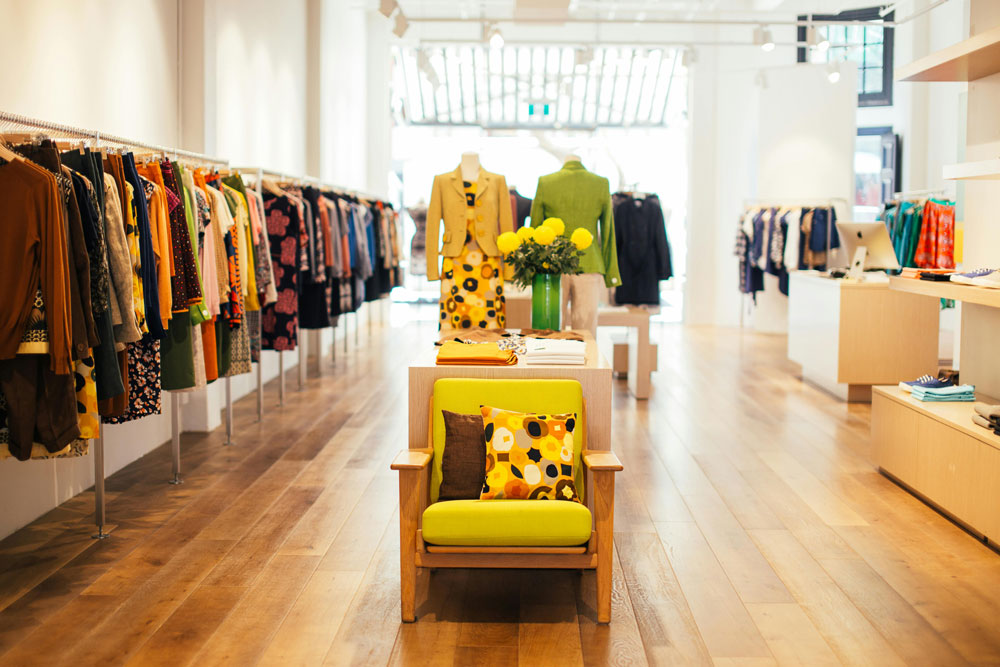
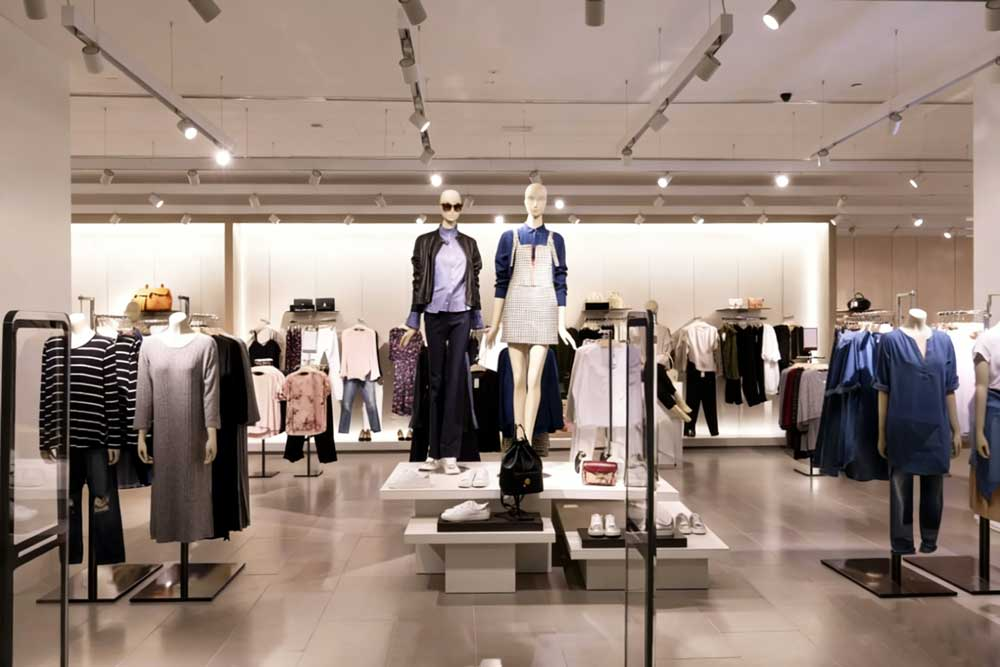
Utilizing Models to Showcase Outfit Combinations
Why Using Mannequins Helps Sales
Using mannequins to display clothes shows customers exactly how a complete outfit comes together and how it looks when worn.
Here’s how to place fitting areas so customers feel good and shop more:
A layout planned this way makes it easy and pleasant for customers to try things on. When they can check how clothes look in a comfortable setting, they feel more confident and happy with their choice — which makes them much more likely to buy.
Keep Your Displays Fresh
Update your clothing displays regularly based on color themes and current trends. This keeps your store looking new and exciting.
Making these small changes shows customers your brand is up-to-date and stylish, which keeps them interested and coming back.
Let Customers Try Before They Buy
The best way to sell electronics is to let people touch and test them. Create open, interactive demo areas in your store。
Turning specs into real-life experience helps shoppers feel more confident. It answers their questions on the spot and makes it easier for them to decide to buy.
Help Shoppers Compare & Decide
When buying electronics, people usually want clear facts and specs to compare. That’s why having detailed product information is key.
Make it easy for them:
Giving customers this info upfront answers their questions quickly and helps them choose with confidence—based on what really matters to them.
Bring Products to Life with Video
Just having a product on a shelf doesn’t show what it can really do. A better way is to set up small digital screens near your demo area or above your displays.
Use them to play short, looping videos that highlight key features—like camera quality, gaming speed, or sleek design. This visual approach is much clearer than written details. It grabs attention faster and makes it easy for customers to understand even the most advanced features.
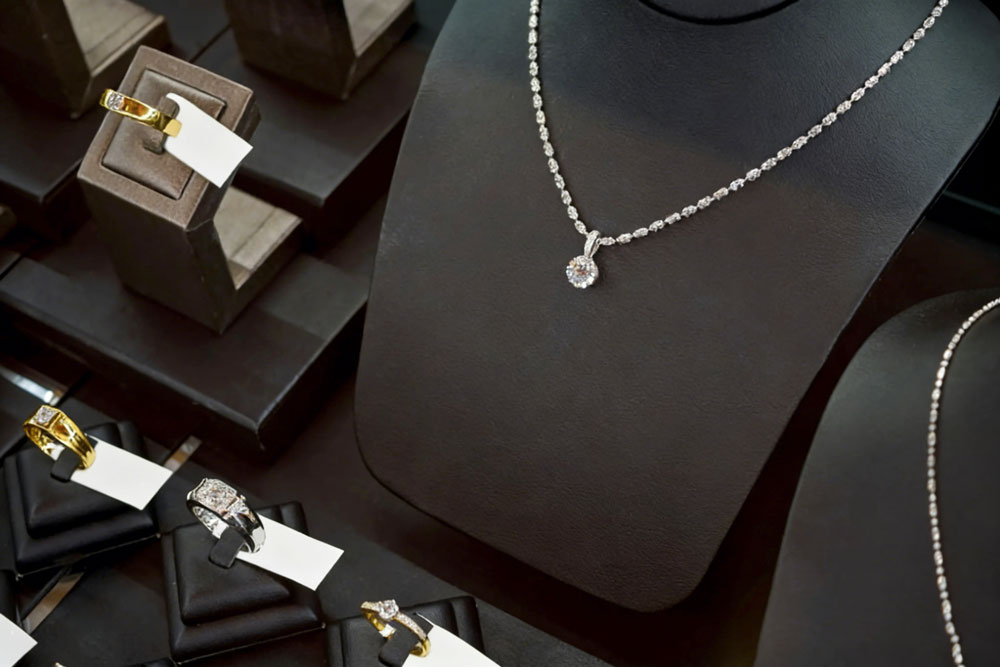
Less is More for Luxury Displays
When presenting high-end items, a simple and focused display works best. The goal is to create a sense of exclusivity and quality.
Arrange items in small, carefully selected groups. Give each piece plenty of its own space so nothing looks crowded or cluttered. This spotlights the craftsmanship and unique details of every product.
This calm, open layout lets customers browse comfortably. It makes them feel they are discovering something special, which adds to the prestigious and high-quality vibe of your store.
Create a Premium Feel with Quality Materials & Lighting
Use rich textures like velvet, solid wood, and metal in your displays. These materials make products look and feel more valuable. Add precise, focused lighting to highlight details and finishes.
The right lighting mix—soft overall light with bright spotlights—creates a warm, exclusive atmosphere. This not only makes products stand out but also makes the whole space feel special and high-end.
Offer Personal, One-on-One Assistance
Having a personal shopping assistant adds a special touch. A good assistant is professional, attentive, and listens to what the customer is looking for.
They should know the products inside out—the stories behind them and the craftsmanship. Their role is to offer tailored suggestions and styling advice, not just to provide information. This personal connection makes customers feel truly cared for and builds a lasting relationship with your brand.
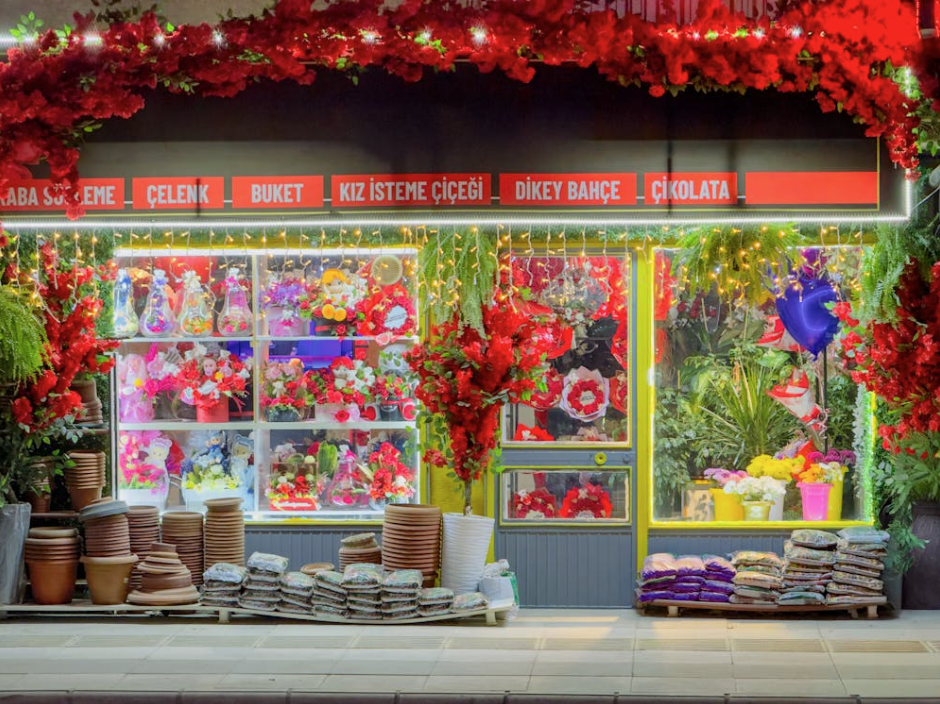
The primary goal for food and fresh produce displays is to convey an immediate sense of “freshness and safety.” Utilizing open shelves or display stacks allows customers to clearly see the color and form of products. Combined with transparent refrigerated cabinets and chilled display counters, this approach visually and tangibly communicates “end-to-end cold chain control and quality assurance.” This presentation directly addresses customers’ core concern for ingredient freshness.
Setting up a tasting area is a great way to sell more food. Let customers try samples of new products, premium items, or seasonal specials right in the store.
This turns words on a package into a real experience. Tasting makes shopping more fun, builds trust in the product’s quality, and is especially helpful for introducing new items or promoting higher-priced goods.
To sell fresh food well, your displays need to always look full and just stocked. Here’s a simple way to do it:
This routine makes sure customers see a vibrant, plentiful selection every time. It also shows them that you care about quality and freshness, which builds trust in your store.
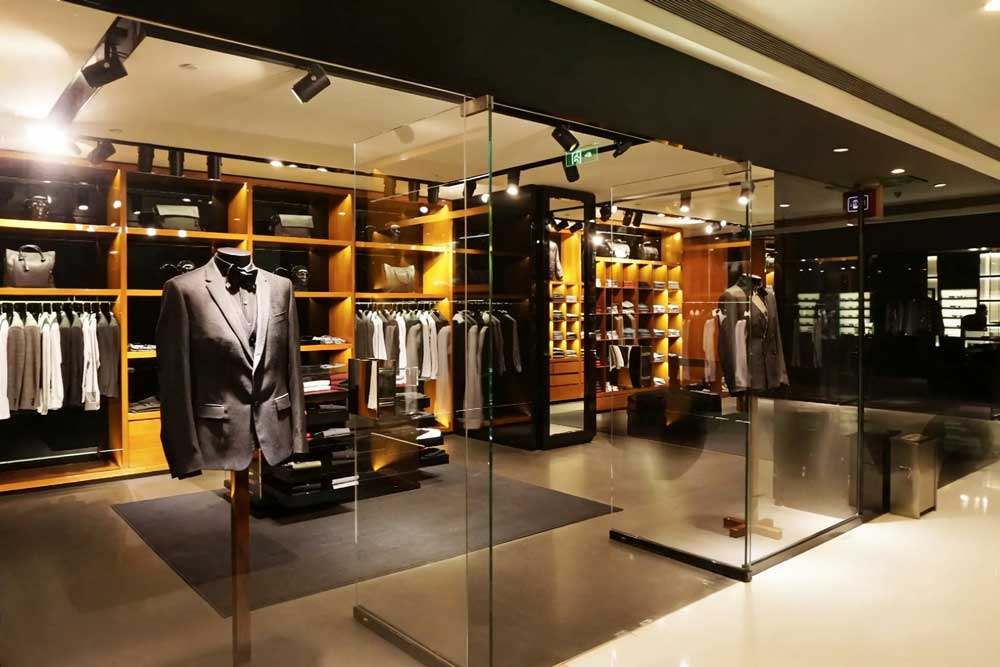
Smart shelves use digital price tags linked to your store’s system. They show up-to-the-minute stock info and can change prices instantly.
Putting touchscreen displays near your products lets shoppers easily look up details, see how-to guides, and check customer reviews themselves. These screens can also show brand stories, the latest deals, and style tips in a clear and engaging way. This hands-on experience makes shopping more enjoyable and gives customers control, while also freeing up staff from having to answer the same questions repeatedly.
When running promotions, set up a clearly marked area just for the event. Use themed backdrops, banners, and floor graphics to make the space feel fun and engaging.
Make sure the design matches your brand’s usual look and feel—this keeps your identity strong even during a sale. That way, customers see the value of the promotion without feeling like your brand has changed. This approach makes the campaign more attractive and actually helps build loyalty.
The key to running a good promotion is to make sure customers can spot the deal right away. Here’s how:
This way, shoppers understand the deal quickly and don’t have to work hard to figure out if it’s a good price—making them more likely to buy.
Adding motion and interactivity is a great way to attract people. Try using:
These elements break up the quiet of ordinary displays and use fun or tech appeal to get people to stop and try them out. This not only brings more visitors to the area, but also lets you share promotional messages naturally—while they’re having fun, they also learn about your deals, which can lead to more impulse buys.
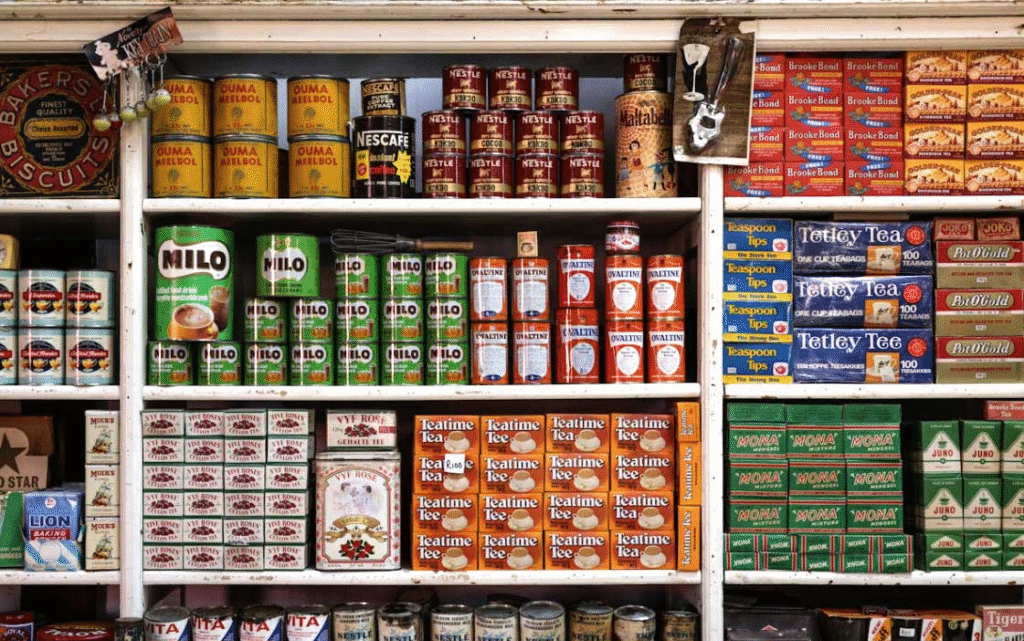
Your store’s entrance is where you make your first impression. Use clear, friendly signs or themed displays here to quickly show customers what’s special today—whether it’s key products, current sales, or how the store is laid out.
Good signage helps shoppers feel oriented instead of lost when they walk in. This builds their confidence and sparks curiosity to explore further inside.
Guide Customers Along a Planned Path
Most shoppers naturally turn left or right when they enter a store. You can work with this habit by arranging shelves, adjusting aisle width, and placing key products in a way that leads customers along a main browsing path.
By designing a natural flow, you can gently guide shoppers past more of your merchandise. This increases the chance they’ll see—and buy—more items as they walk through.
The checkout is the last stop in a shopper’s visit, and it shapes their final impression. A well-planned layout here keeps things flowing and avoids crowding.
A smooth, organized checkout leaves customers with a positive feeling about your store’s efficiency—ending their visit on a good note.
Create displays that blend your brand’s story with holiday themes or cultural touches. This helps customers relate to your brand on a personal level.
For example, during traditional festivals, use relevant decorations and curate products that fit the season. This shows your brand respects and celebrates culture, while letting customers engage with your message in a familiar, meaningful setting.
Doing this not only strengthens how people see your brand, but also encourages them to buy within a special, memorable context.
Bring Your Brand to Life with Screens & Videos
You can share your brand’s story, how products are made, or what your company stands for by using screens or interactive displays in your store. Short videos, photo slideshows, or simple animations make your story come alive.
This is much clearer and more engaging than just words on a wall. It helps customers quickly understand what makes your brand special and builds a stronger, more trusted connection with them.
Set up displays that feel like actual places—using props, lights, sounds, and even scents. This helps customers picture themselves using your products in real life.
For example:
When shoppers can step into a well-made scene, it sparks their imagination and emotions. They can quickly see how the products fit into their own lives—making them more likely to buy and remember your brand later.
In this section, we’ll explore how well-known retail brands—both local and global—used smart display setups to increase their sales. We’ll break down what they did, how they did it, and the results they achieved, so you can learn from their success.
Too many products or too much information packed into a display can feel overwhelming and confusing. Instead, keep things clean and spaced out.
Leave enough empty space around your key items so they stand out. This creates clear visual paths that are easy for customers to follow.
By keeping displays simple and focused, you help shoppers browse comfortably—without feeling overloaded or tempted to walk away.
If a product is displayed in the store but is actually sold out, it leads to customer frustration when they can’t find it. Keeping displays up to date with what’s in stock is key to maintaining trust.
Make it a habit to check displays regularly—or even better, connect your display system to live inventory data. This way, what customers see is what they can actually buy, protecting your store’s credibility and their shopping experience.
Use Data, Not Guesswork, to Plan Your Displays
If you change your displays without looking at how customers actually shop—where they walk, what they stop to look at, and what they touch—you’re really just guessing.
Instead, use real information like store traffic reports or sales numbers to make your display choices. This way, your decisions are based on facts, not feelings, which makes your layouts much more effective.
Bad lighting can make products look discolored or hide their true texture. To avoid this:
Doing this helps products look their best—true to color and full of detail—so customers see them in the best possible light.

Smart displays that adapt to each shopper
In the future, stores will use data and smart technology to change their displays in real time. Screens, product suggestions, and even lighting can adjust based on who’s shopping or the time of day—creating a personal experience just for that shopper.
This means every customer sees something unique, making shopping more relevant and engaging for everyone.
Stores will increasingly use augmented reality (AR) and virtual reality (VR) to create interactive experiences. Shoppers will be able to use their phones or wearable glasses to:
This seamlessly blends digital information with the real store around them, making shopping more visual, personal, and fun.
Sustainability will dominate display design. Recyclable and biodegradable materials—such as recycled cardboard and eco-friendly coatings—will largely replace traditional props. Designs will communicate brands’ environmental commitments, meeting consumer expectations for green consumption.
More brands will team up with brands from other fields—like art, coffee, or workshops—to build special themed areas in their stores. These spaces are no longer just places to shop, but destinations where people come to spend time, socialize, and try something new.
This shift turns shopping into a full experience, encouraging customers to stay longer and connect more deeply with the brand.
In short, great store displays are key to selling more. By planning your space smartly, designing creatively, and using technology wisely, you can make products more appealing and give customers a reason to choose your store.
The ideas and examples we’ve shared are meant to help you do just that—create a shopping experience that wins over customers and drives your sales up.
Should you require more detailed chapter content or specific operational procedures, we welcome further discussion.
large grocery supermarket layout, daily goods retail store design, heavy-duty supermarket shelving, full-category lifestyle store planning
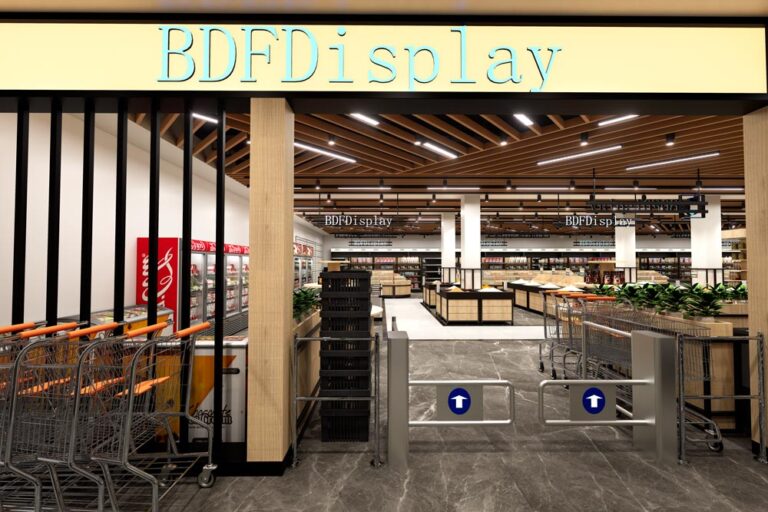
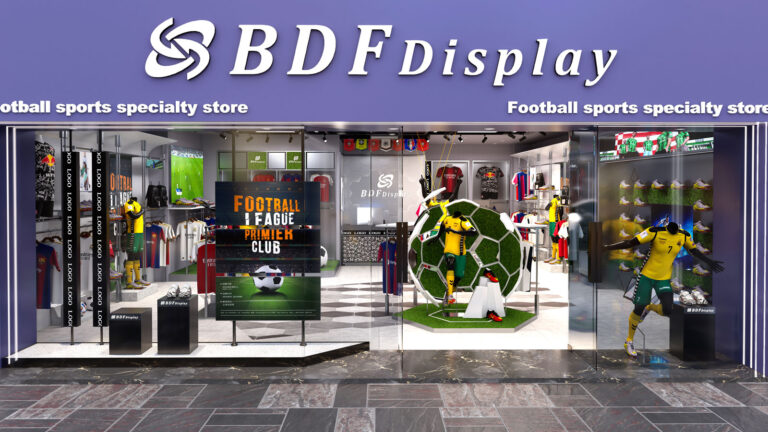
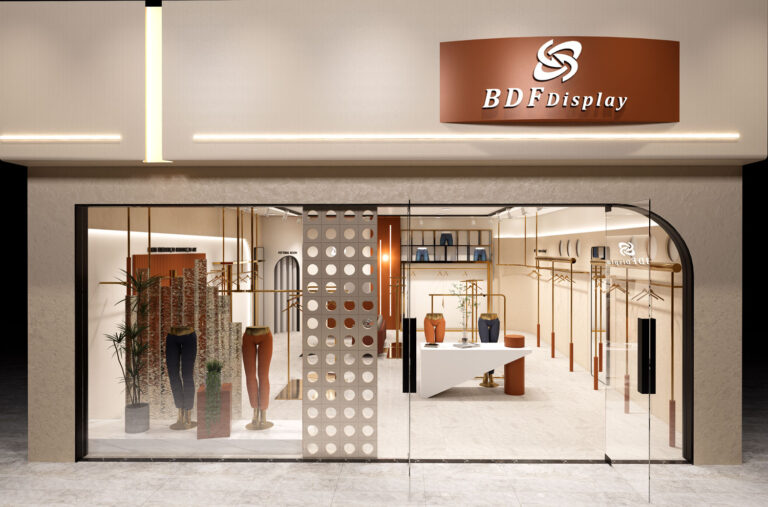
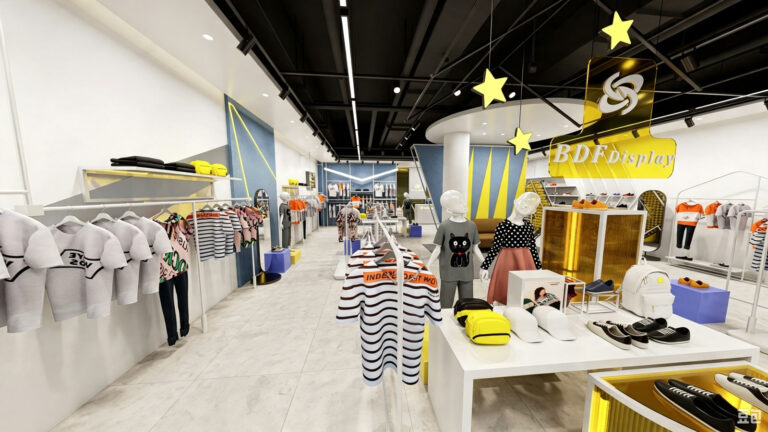
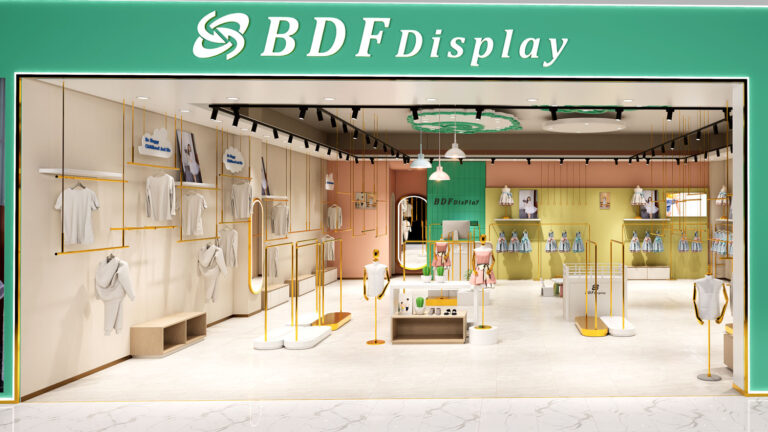
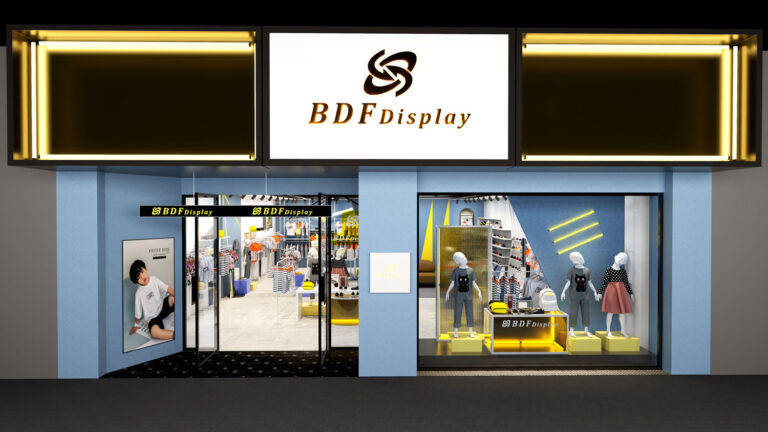
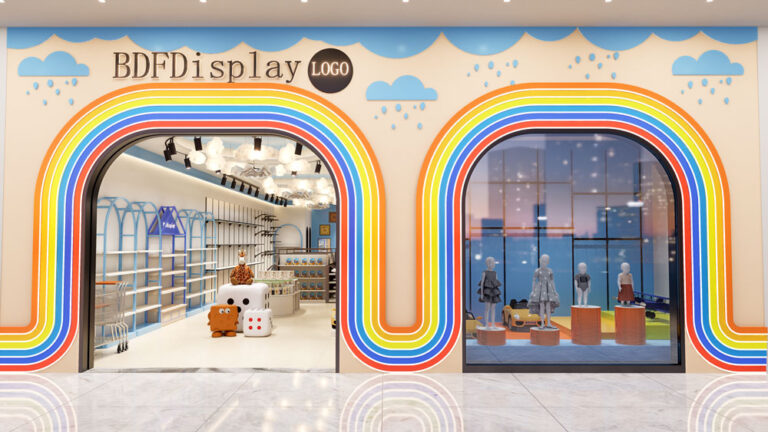
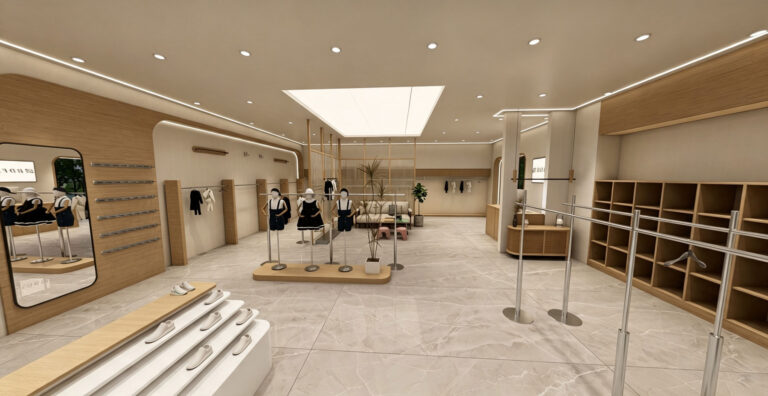
Modern kids clothing store interior design project — a full-store renovation for a children’s fashion brand expanding to a 1,000 sq ft retail location. Project
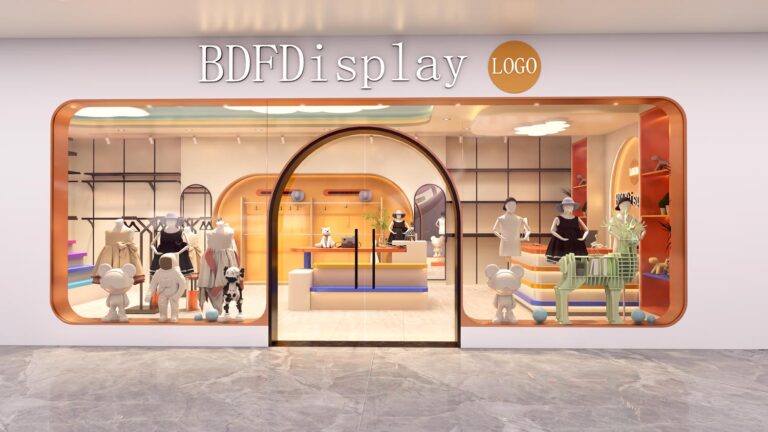
Mom and baby store interior design — a specialty retail space designed for new and expecting mothers, featuring nursery displays, feeding areas, and comfortable browsing
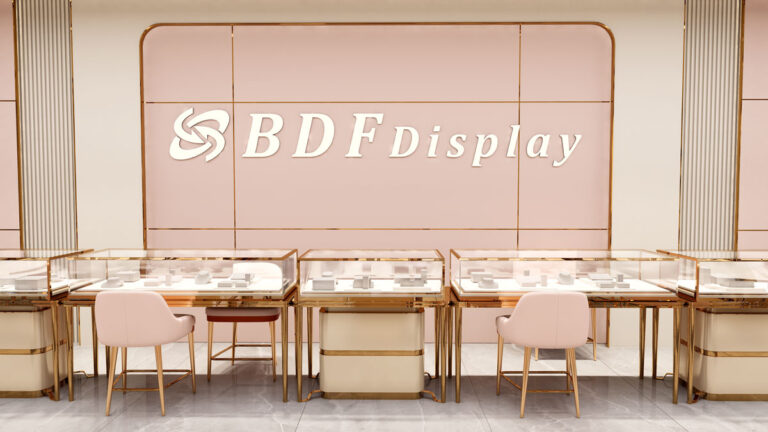
We provide free 3D luxury jewelry store design service for high-end jewellery boutiques, fashion accessory shops and luxury retail stores. Our professional design team focuses
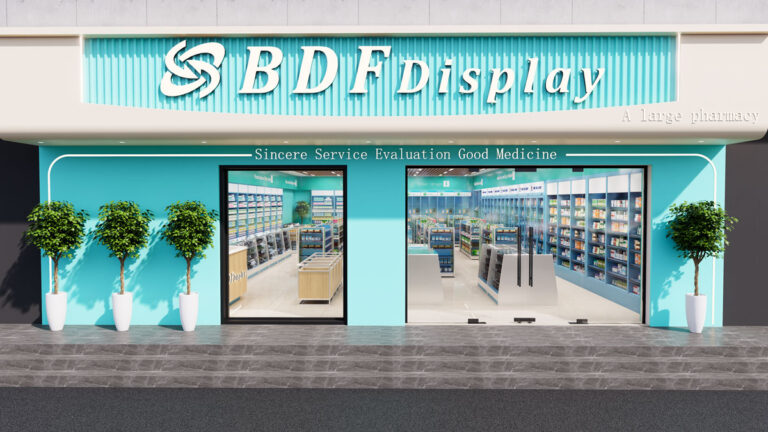
We provide professional free 3D pharmacy store design service for retail drugstores, medical retail shops, and community pharmacies worldwide. Our design team focuses on standardized,
Fill out the form below and we’ll get back to you within 24 hours with a detailed quote or proposal.

+8613710863392
sales@biaodefu.net
Scan the QR code or click the button below to chat with us directly on WhatsApp. Faster response, real-time communication.
Perfect for: