Phone

13838998898

E-mail

1212@qq.com

Whatsapp

13838998898

Retail Clothing Stores:13 Tips for Layout Design and Marketing

Table of Contents

Foreword: Why is interior design so crucial for small clothing stores?

Because the success of a small retail clothing store hinges not only on the products sold but also on the customer experience. A thoughtfully designed retail space—whether through exterior facade design or interior personalization—creates unforgettable shopping moments. Leaving a lasting impression is indispensable for boosting sales in a small clothing store.

Now, let’s explore how to create the perfect small clothing store!

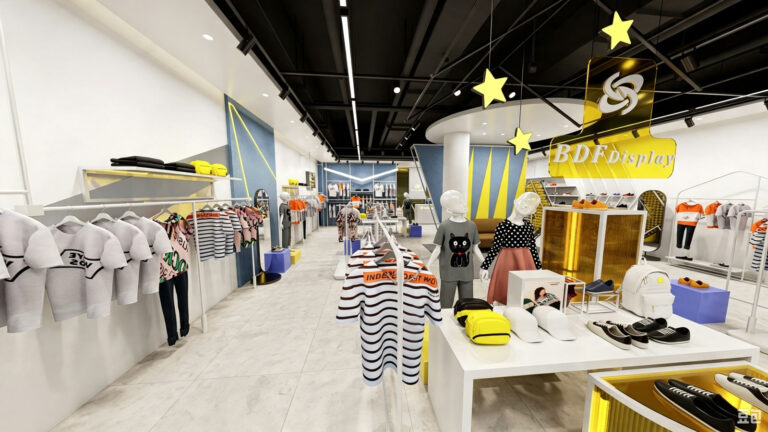
Step 1. Themed Clothing Store (Interior)

  • Brand Decor Theme – e.g., Minimalist Style: Simple color schemes create a comfortable/clean shopping experience.
  • Brand logo placement—Creatively integrate your brand identity into thematic elements, whether through wall accents, fitting room curtains, or mirrors. Consider spotlighting the logo on floors or walls.

Step2. Storefront display (exterior)

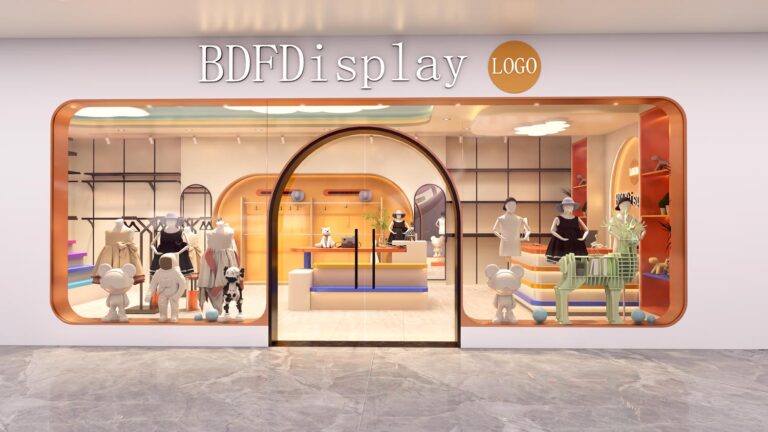
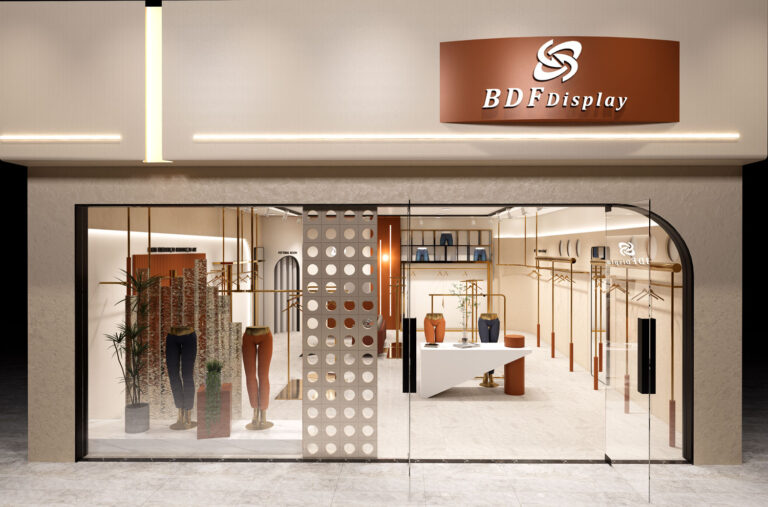
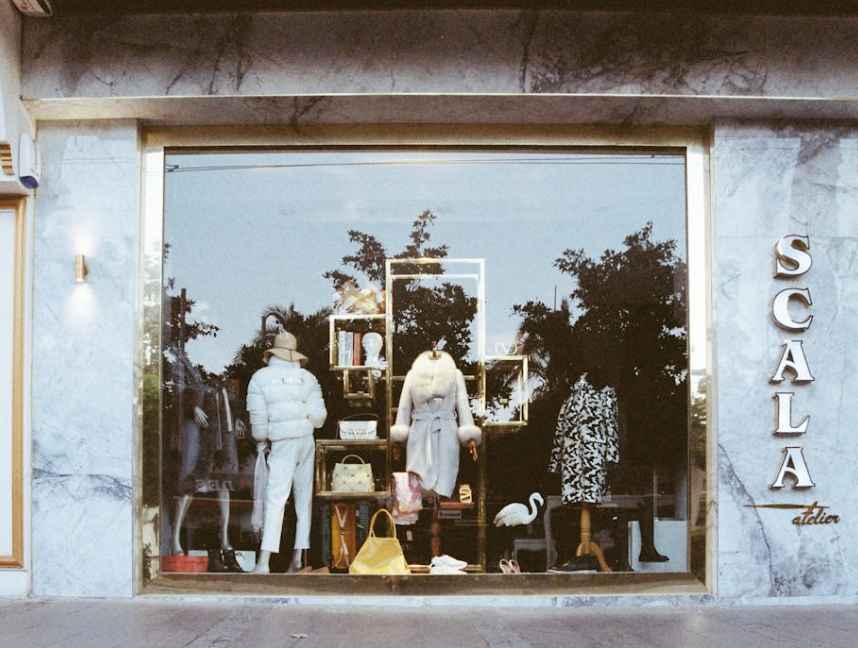
Effective storefront design captures attention, sparks curiosity, and drives conversions. Ensure color schemes and mannequin displays harmonize without appearing cluttered. Maintain tonal consistency and use strategic lighting to transform the facade into an artistic statement. Such thoughtful presentation captivates passersby and leaves a lasting impression.

  • Store Signage: Opt for clean, minimalist typography with a small logo. Use externally illuminated lettering for high visibility from a distance.
  • Window Display: Create a “mini scene” within the window. For example, an autumn/winter theme could feature fallen leaves, branches, and wooden crates. Position one mannequin standing and another seated on a prop crate, complemented by warm lighting. Make the theme backdrop interchangeable, swapping out the mannequin background panels seasonally.
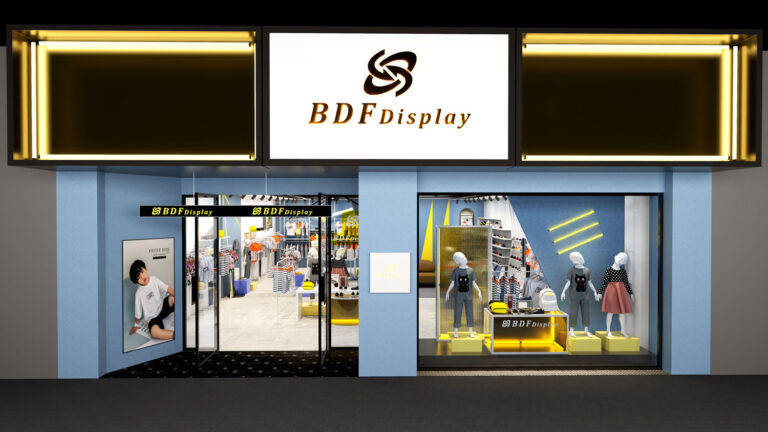
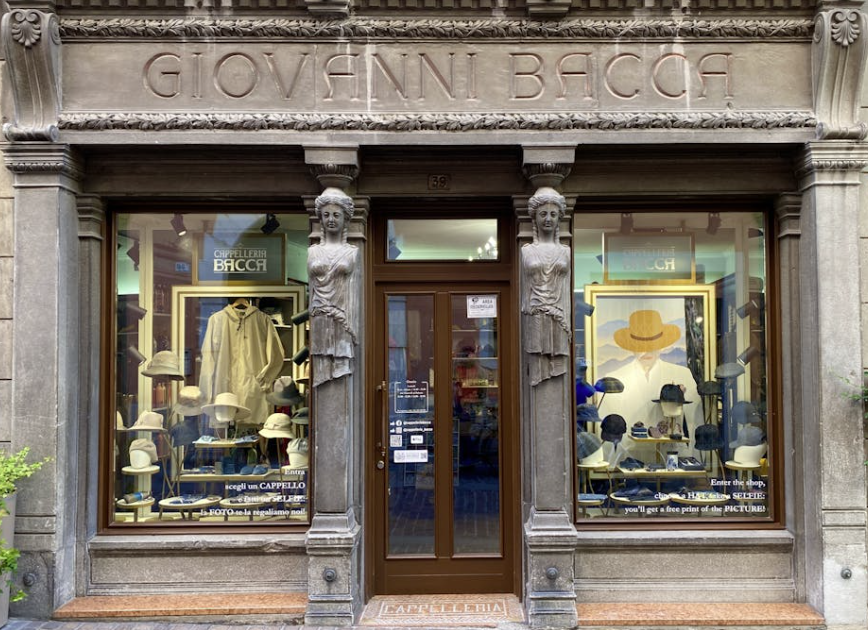
Clothing store facade

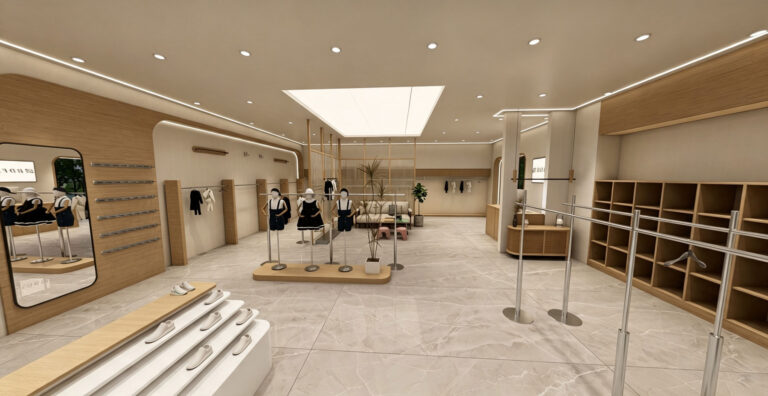
Step3. Maximizing Layout in Compact Spaces

A thoughtfully arranged small clothing store dictates the rhythm of the shopping experience. When it’s done right, it grabs customers’ attention as soon as they enter and makes shopping feel fun.

  • Capture attention immediately: Position new arrivals and seasonal highlights just steps from the entrance. This grabs customers’ first glance without crowding the entryway.
  • Strategic mirror placement: Utilize unused corners with mirrors to visually expand the space. The reflected areas encourage exploration while maintaining an uncluttered feel. Seating offers respite. Corner displays for hats or accessories create focal points, ensuring every area captures customers’ attention.
  • Guide the shopping journey: Design a seamless route starting with seasonal new arrivals, flowing through core sections like denim and knitwear, and naturally leading to the checkout.

Step4. Strategically arrange your lighting

For small clothing stores or boutiques, lighting serves more than illumination—it’s crucial for setting ambiance and showcasing merchandise. It guides customers’ gaze, highlights product features, and makes the space feel more vibrant and dimensional.

Master these lighting techniques to create a pleasant shopping experience:

  • Harness natural light: During daytime, let ventilation and natural light coexist harmoniously. Sunlight streaming through windows creates a relaxed, pleasant experience for customers. Mirrors opposite windows reflect light, making the space brighter and more airy while showcasing refined style.
  • Play with light and shadow: Layered lighting adds depth to your store! Ambient lighting maintains overall brightness, while task lighting at cash registers and fitting rooms supports operational needs. Accent lighting uses contrast to effortlessly highlight key merchandise.
  • Strategic Directional Lighting:

Hanging directional lights above mannequins, new arrivals, and featured items guides attention with subtle light, drawing focus to displays and emphasizing their unique charm and texture.

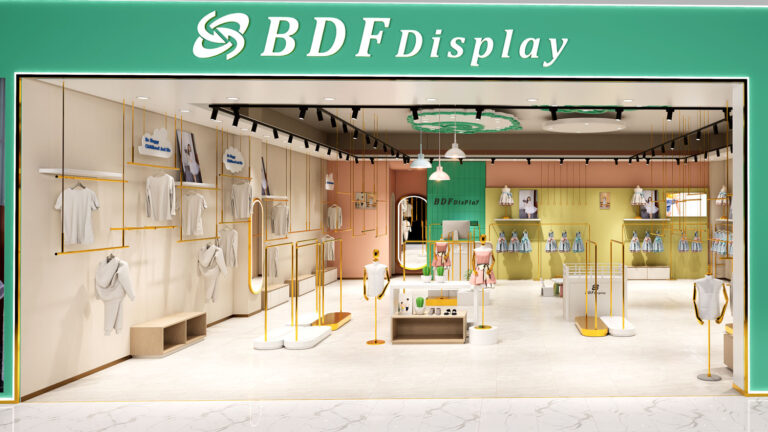
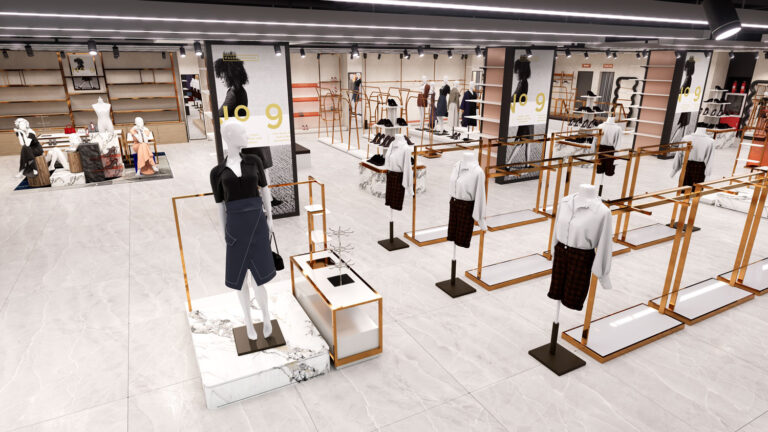
Clothing store

Step5. Maintain Flexibility in Fixed Shelving

Shelving tailored to product types is fundamental, yet must remain adaptable. Support both layout adjustments and seasonal transformations to create fresh displays, ensuring your store’s presentation stays ever-evolving.

Keep your walls flexible. Use movable wall panels with hooks you can adjust. This lets you easily display clothing, jewelry, and accessories in different layouts.

Keep your floor plan flexible. Use shelves and clothing racks on wheels. You can move them around to try new layouts and make the most of your space—even if it’s small.

Step6. Ensure Clear Price Tagging

Don’t underestimate the power of signage! Thoughtfully designed labels not only clearly display prices but also guide customer flow, convey store information, and subtly reflect boutique-exclusive style. Keep designs minimalist, maximize each sign’s utility, and elevate the shopping experience.

  • Easy-to-read fonts: Choose legible typefaces! Avoid ornate styles that slow down reading, complicate browsing, and disrupt the shopping flow.

Match your style for a clear vibe.Pair handwritten fonts with kraft paper for a free-spirited, romantic feel. For a modern and minimalist look, use clean lines and neutral tones—it instantly creates a sleek and sophisticated atmosphere.

Place signs where customers can easily see them, with content that helps them shop.

Put information displays at eye level and fill them with useful tips—like how to style an outfit or seasonal layering ideas. You can also highlight special offers, such as member perks shown near the checkout. This way, signs aren’t just decorative—they guide and add value to the shopping experience.

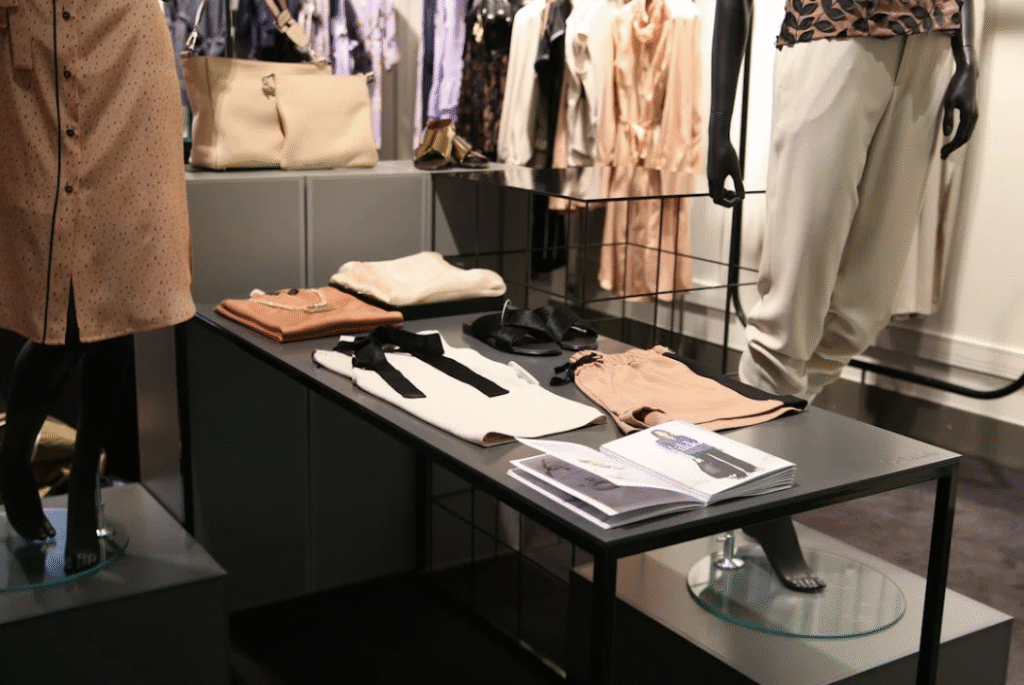
Clothing store-1

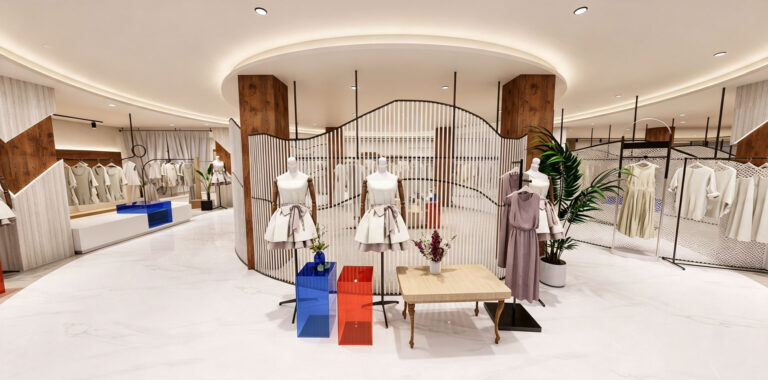
Step7. Thoughtful Decor Adds Personality

Great stores show they care through the little things.

Truly special boutiques pay attention to subtle details—not flashy or fake ones. From the art on the walls to a comfortable bench near the fitting room, every detail shows what makes your store unique. These touches make customers feel welcome and make them want to stay longer.

Add simple decor to match your products.

Try placing pretty dried flowers next to dresses or sweaters. Or put vintage-style old books near jeans and denim shirts. These small touches help create a nice mood and make products stand out—without overcomplicating your display. This aligns with the area’s theme while serving as decorative accents.

  • Lifestyle props: Candles, ceramic ornaments, or framed inspirational quotes make lovely table decorations! Not only does this sharpen your store’s identity, but it also sparks customer inspiration, naturally encouraging impulse purchases and elevating the shopping experience.

Add art to make your store a conversation starter.Include pieces from local artists, unique sculptures, or interesting found objects with a story. This fills your space with visual surprises that naturally catch the eye and get customers talking—making their visit more memorable.

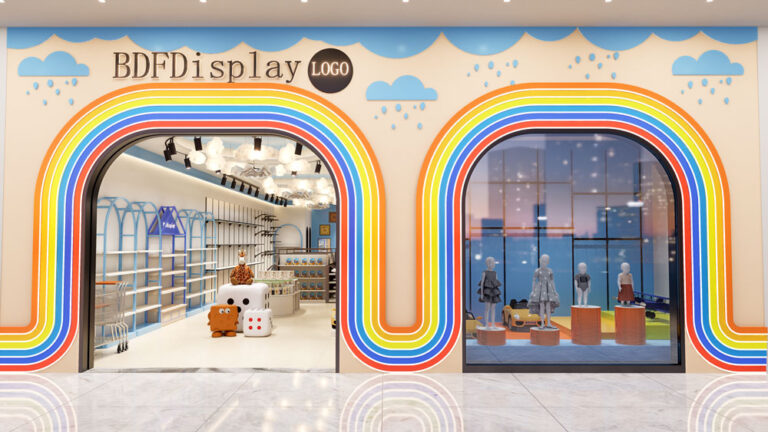
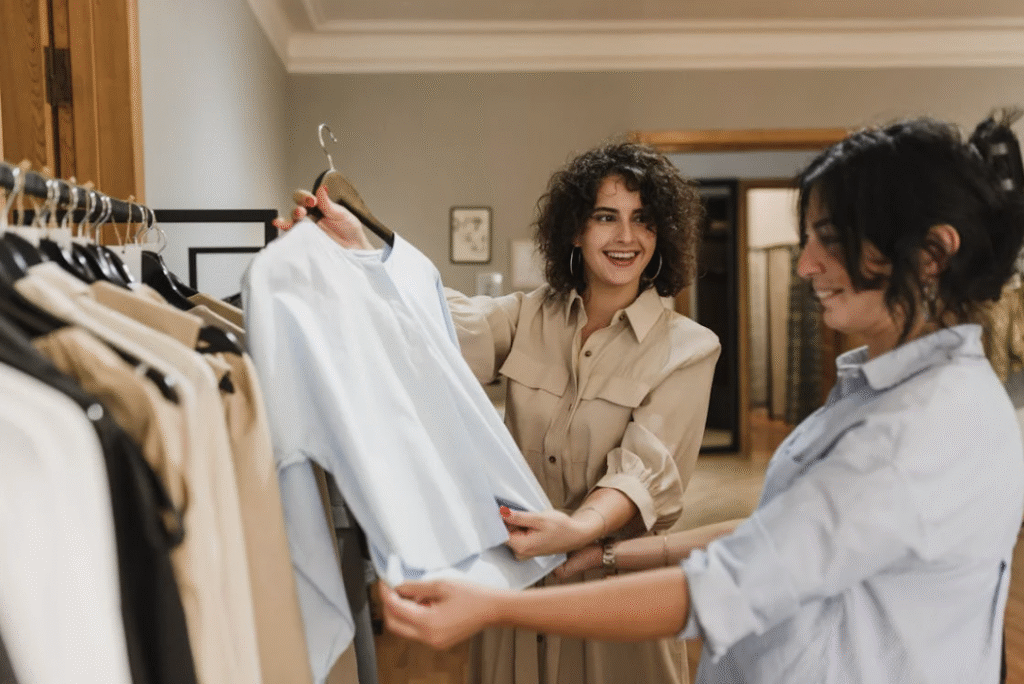
Clothing store facade

Step8. Creating a Comfort Zone for Customers

  • Customer Lounge: Set up a seating area in your boutique or clothing store with soft, comfortable chairs. Place portable chargers nearby so customers can recharge their devices and access Wi-Fi while resting. Offer fashion magazines, stylist recommendations, or promotional materials to create a relaxing space that keeps customers engaged and encourages longer stays.

Step9. Thoughtfully Curated Music

  • Place speakers in your ceilingat the corners or around the edges. This spreads sound throughout the store without taking up valuable floor or wall space, keeping your displays clean.

For fitting rooms, add small wall-mounted speakers near the entrances. This way, music is clear inside without needing to turn up the volume for the whole store.

• Music Selection: Opt for pleasant, gentle songs or light instrumental music. Avoid fast-paced pop, heavy metal, or overly sentimental/sad tracks that may distract or create a gloomy atmosphere, negatively impacting the shopping experience.

Step10. Highlight Your Store’s Character with Fragrance

  • Scent Selection: Avoid overpowering or pungent scents. Opt for subtle, soothing fragrances like woody, citrus, or green notes. These are less likely to cause discomfort and foster relaxation.
  • Placement Tips: Position near entrances to immediately convey comfort and guide customers inside. Fitting rooms and lounge areas are ideal placement spots. Maintain consistent fragrance types throughout, with at least 3 meters between diffusers to prevent scent overlap.

Step11. Comfortable Fitting Rooms

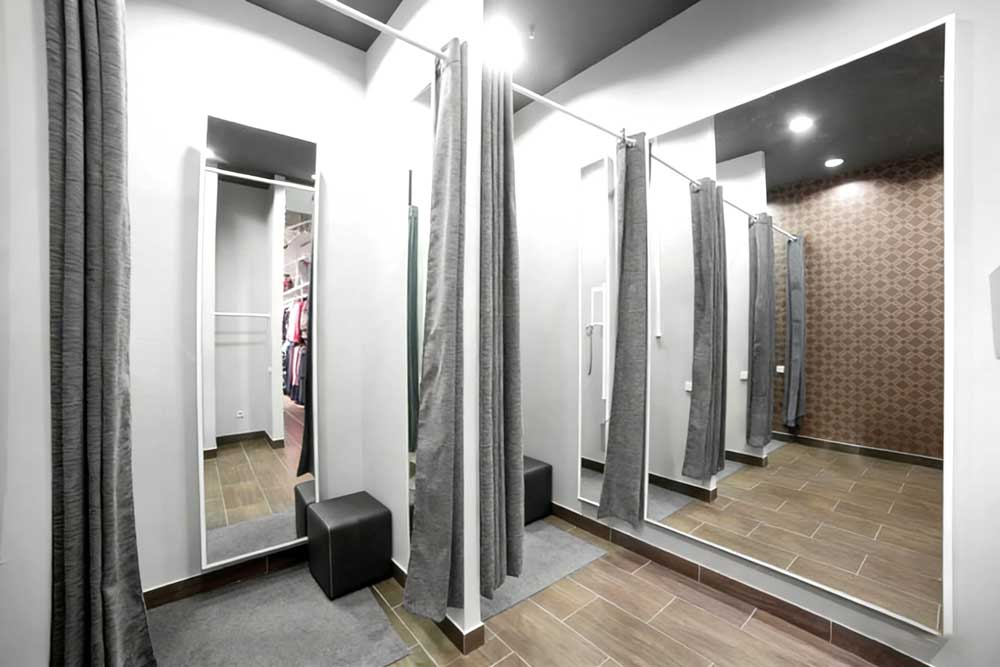
Compact yet functional fitting rooms designed for quick try-ons. Allow customers to calmly assess fit, appearance, and the comfortable texture of garments when worn.

  • Customer Privacy: Privacy is the core guarantee of fitting rooms. Sufficient space is reserved for movement, avoiding crowding and discomfort during changes. Solid full-length doors or heavy curtains provide comprehensive concealment. Additional wall soundproofing effectively blocks noise from adjacent areas and sales floors, ensuring a more secure fitting experience.

• Space Management: Our fitting rooms prioritize efficient space utilization, thoughtfully equipped with hooks, shelves, hangers, and standard full-length mirrors. This allows you to neatly store personal items and items to be tried on. Even when trying on multiple pieces at once, you’ll have ample room to move freely, making the fitting experience more comfortable.

Step12. Apparel Display for Online Stores

Social media is now an essential tool for stores to grow. It’s a cost-effective way to:

  • Reach the right customersand make your brand more known.
  • Show products right awayto a wide audience.

Platforms like Instagram and Facebook are great for bringing people to your shop, both online and in person. Plus, when customers share their own posts or leave honest reviews, it builds real trust with new shoppers.

  • Online Integration: Establish a social media account for your retail store. Add customers from your physical location to your social media channels to build your customer base and enhance brand impact. Regularly update promotions or seasonal new arrivals to encourage repeat purchases.

• Online Store Visibility: Ensure visitors can find you on Google Maps, Apple Maps, etc. The core method is to create and optimize your Google Business Profile. Add your store details and location, upload photos of the shop interior, key displays, signature styles, and brand logo. More photos mean more exposure. Prioritize clarity to clearly communicate your offerings. Encourage authentic customer reviews and respond to them to improve your ranking.

Step13. Design a Sales-Driving Checkout Area

  • Checkout Displays: Your Last Chance to Sell More

The checkout area is the final stop, where impulse buys can happen quickly. Set it up to make the most of these last moments:

  • Place sall, tempting items within easy reach.Display low-cost but high-margin products like socks, hair accessories, and small perfumes right at the counter. Make them easy for waiting customers to pick up and add to their purchase.
  • Use the space next to the register.Place a small, multi-tiered shelf in front of or beside the counter to showcase:
  • Special deals, like “Buy one, get the second half-price” accessory bundles.
  • Perfect matches, like belts or necklaces that go with clothes they’ve already chosen.
  • Mark everything clearly with bold price tags.Make sure prices are prominent and easy to see.
  • Clear out old stock while you have their attention.Hang up recently popular items in small sizes or discontinued styles near the checkout. Label them clearly as “Clearance” — it catches the eye and can turn waiting time into a final bargain buy.
  • Payment Systems:Today’s consumers demand superior payment experiences. Flexible, modern payment options are essential—limiting choices risks losing potential sales. As cash usage declines, customers prioritize convenience. Whether mobile payments like Apple Pay or Google Pay, or traditional methods like credit/debit cards and EBT cards, offering choice is key. Diverse payment methods streamline checkout, making customers feel valued while fostering goodwill and repeat business. Flexible payment options consistently unlock additional sales opportunities.

Conclusion:

Good retail store design is more than just looking good — it truly creates a space that improves the customer’s experience and expresses your brand clearly.

There are many ways to make your store stand out: from smart layout planning and clever use of lighting and color, to adding helpful technology where it fits.

Whether you run a small boutique or a large shop, working with a professional interior designer helps ensure your space is both functional and beautiful — designed to look great and work even better for your customers.

And investing in thoughtful design pays off in the long run: it draws more people in, helps increase sales, and creates a shopping experience that feels special — so customers keep coming back.

Contact Us