

In retail today, your display fixtures are key. They do more than hold products—they help connect your brand with shoppers. As customers look for more personal experiences, good fixtures build your brand’s look and help you sell more.
In this guide, we’ll explore everything you need to know about retail displays—from the basics and types, to design rules, hands-on techniques, and future trends. Whether you’re starting from scratch or refreshing your store, you’ll finish with a clear plan to make your displays work harder for you.
I. What Are Retail Display Fixtures?
Retail display fixtures are the shelves, racks, and stands you use to show your products in a store. They don’t just hold items—they help set the mood and make shopping better.
Different stores need different fixtures. For example, clothing stores often use racks and hooks, while grocery stores rely more on shelves and coolers.
II. Primary Types of Retail Fixtures
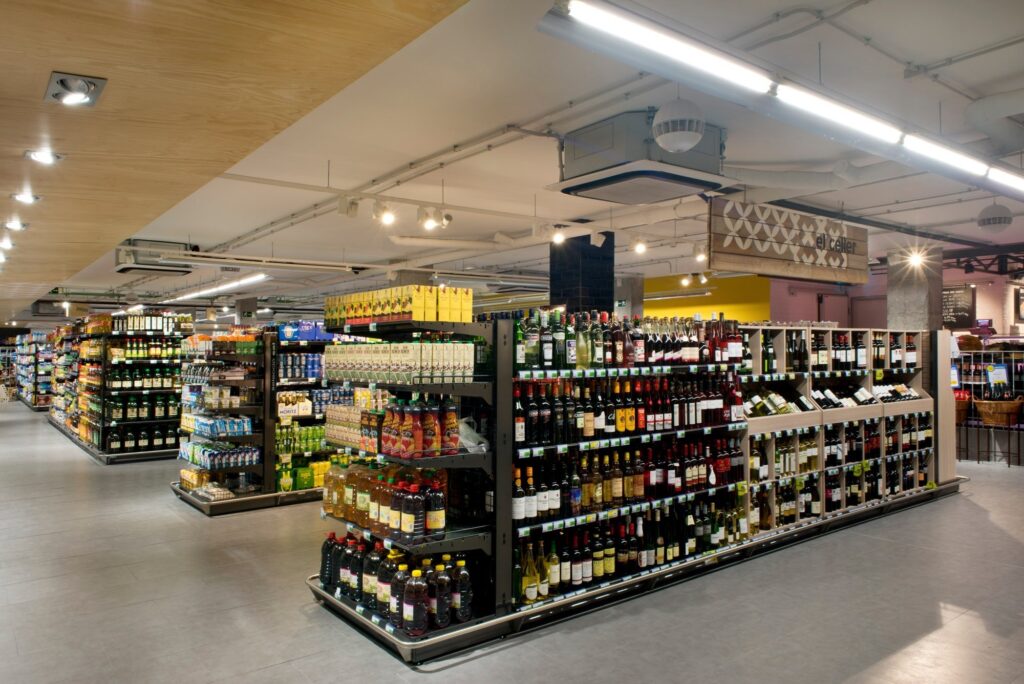
Shelving is the essential framework of any store. It’s more than just a place to put products—it guides customers, shapes their experience, and defines how the space is used.
You’ll find shelving in many forms, from simple wall units to complex modular setups, fitting every store from supermarkets to boutiques. Today’s designs focus on flexibility, with adjustable heights, mix-and-match parts, and materials like wood and metal. They often include built-in lights or screens. Good shelving balances strength, safety, and good looks, all while being easy to adapt as your store evolves.
Standard shelving is the most common display solution, offering stable horizontal surfaces. Its uniform form creates a sense of order, making it ideal for categories requiring clear categorization and extensive SKU display, such as books, home goods, and packaged foods.
Wall-mounted shelves are great for saving space. By getting products up off the floor, they can make a small shop feel bigger or add extra display areas on empty walls in larger stores. They’re perfect for showing lighter items, decor, or building a branded feature wall.
Adjustable shelving lets you easily change shelf heights to fit any product—from short jars to tall bottles. This flexible design makes the most of your vertical space and lets you quickly adapt to new inventory or seasonal changes. It’s a smart, long-term investment for any growing product line.
Display cabinets are a must-have for any store selling high-value items. They perfectly balance security and visibility, keeping products like jewelry, watches, luxury cosmetics, and collectibles safe but still in full view of customers.
Core Features and Design Highlights
Safety and Transparency Coexist:
- Materials & Visibility• Panels:Made of strong, clear tempered glass or acrylic. • Frames: Choose from metal (modern), wood (classic), or composite stone (luxury) to define style.
- Security & Access• Locks:Feature hidden magnetic or electronic locks with secure hinges. • Sensors: (Premium models) May include open/close or weight sensors connected to alarms.
- Lighting Design• Standard:Energy-efficient LED strips built in. • Layout: Professionally designed to combine spotlighting (for items) and ambient light (for the case). • Adjustability: Color temperature (warm/cool) can often be changed to enhance product mood.
- Structure & Interior• Build:Engineered for stability and heavy loads, especially in multi-tier designs. • Interior: Customized with inserts like velvet pads, acrylic risers, or adjustable shelves to suit the product.
Primary Types and Application Scenarios
Freestanding Display Cabinets:
The most common standalone or wall-mounted units, suitable for core merchandise areas in most retail stores.
Available in single-sided, double-sided, or peninsula configurations to flexibly adapt to spatial layouts.
Jewelry stores display necklaces and rings; electronics stores showcase flagship phones and smartwatches.
Wall-Mounted Cantilever Display Cabinets:
Directly affixed to walls, maximizing floor space savings while creating a light visual layering effect.
Ideal for compact boutique stores or as a wall-mounted visual focal point.
Trend-focused shoe stores showcase limited-edition sneakers; art galleries display small sculptures.
Central Island Display Cabinets/Kiosks:
Positioned at the store’s center, offering 360-degree viewing. They serve as the absolute visual focal point and experiential hub.
Typically used to display signature pieces, latest collections, or themed products.
Watch boutiques feature central timepiece kiosks; cosmetics flagship stores host new product experience stations.
Hooks: The Art and Science of Flexible Hanging Systems
Hooks are the ultimate space-savers in retail. They turn any wall, pillar, or side panel into a display spot, perfect for items made to hang—like clothing, bags, tools, or kitchen gear.Their power is in flexibility and clear visibility. In a small shop, they free up your floor and counter space. For example, a stack of t-shirts on a table takes up a large area, but on hooks, each shirt only needs a single point of space.
Visual Order & Density Control:
Unified Direction: Ensure all items on hooks face the same orientation (e.g., tags outward, collars left) to create a consistent visual rhythm.
Density Gradient: Gradually increase hook density from the entrance toward the back to guide customers deeper into exploration. Overcrowded displays create visual pressure and diminish perceived product value.
Color Gradation: Arranging garments or accessories by color palette creates strong visual appeal, enabling customers to quickly filter by preference.
Categorization & Navigation Tools:
Hooks are powerful tools for organizing your space. By varying their type, color, and arrangement, you can intuitively group products and guide customers. But modern hook systems go further—they are key design elements. Available in finishes that match your brand, warm woods, or clean acrylics, they offer smart innovations like invisible mounts, rotating arms, or built-in lighting, blending seamless function with elevated style.
End Caps: Strategic Marketing Battles for Prime Real Estate
Positioned at the ends of main aisle shelves, end caps serve as retail space’s most heavily trafficked, naturally visible “advertising spots.” They are not mere shelf extensions but independent, high-value strategic marketing platforms.
Core Functionality and Design Science:
Engine of Impulse Purchases: End caps sit at decision points along the customer journey. As shoppers transition from one aisle to the next, end caps offer unplanned product discovery opportunities. Data shows well-designed end caps can boost sales of related products by 20%-40%.
Thematic Narratives & Seasonal Marketing: End caps serve as the ideal stage for telling mini-brand stories or responding to market trends.
Seasonal Themes: e.g., “Summer Beach Essentials,” “Autumn Wellness Beverages.”
Solution Themes: e.g., “Weekend Family BBQ Set,” “Camping First Aid Kit.”
New/Hot Product Spotlight: Concentrate promotion efforts on a single popular item to create a buzz of demand.
Golden Rules of Design:
Prioritize Visual Impact: Use eye-catching price tags, thematic posters, and layered displays (combining shelves, hangers, and stacks) to create strong visual focal points.
Control Product Quantity: Avoid overcrowding with too many SKUs. Typically, one end cap showcasing 1 core product + 2-3 related items yields optimal results—clear messaging and easier decision-making.
Rotation Frequency: Freshness is key. Based on sales data and marketing calendars, end caps should undergo complete theme or product changes every 1-2 weeks.
A successful end cap combines data and creativity: It requires selecting products based on sales data, determining placement based on customer flow, and then sealing the deal through creative visual presentation.
Promotional Fixtures: The Physical Embodiment of Information and Allure
Promotional fixtures are temporary displays set up for a specific campaign or season. Their job is to grab attention, deliver a message, and drive sales right then and there.
Core Characteristics and Classification:
Clear Purpose-Driven Functionality: Each type of promotional fixture aligns with distinct marketing goals:
Promotional Fixtures & Displays: Tools for Impact
Promotional fixtures are short-term displays used for specific marketing goals. Their main job is to catch attention, communicate a clear message, and push customers to buy right away at the moment they decide.
To work well, these displays must fit smoothly into the overall marketing campaign and be placed in the right spots in the store.
Key Types of Promotional Displays
- Temporary piles and promotional counters are used for bulk products, holiday bundles, or short-term deals. These displays make the area look full and exciting, creating a sense of urgency that encourages people to buy on impulse.
- POP stands and signs act like silent sales helpers. They sit right next to the products and quickly tell customers the key points—such as discounts, features, instructions, or awards—so shoppers can make decisions faster.
- Interactive experience stations include beauty try-on tables, electronics test areas, and food sampling counters. By letting customers try products first, these setups reduce hesitation and help increase sales.
- The Art of Balancing Materials & Cost
- For Short-term/Single-use Campaigns: Cost-effective, easily printable, and moldable materials like corrugated cardboard, foam board, or lightweight metal frames are ideal.
- For Long-term/Reusable Systems: Durable materials like acrylic, laminated MDF, or metal are chosen. These are designed for easy disassembly, storage, and reassembly across multiple campaigns.
- Brand Amplifier at the Point of Sale
Promotional displays are a critical extension of your brand at the moment of truth. They must strictly adhere to your brand’s visual identity—using approved colors, fonts, and graphics—to ensure a consistent and professional image in every store.
The Success Formula: Integration + Precision
- Integration: Displays must not stand alone. They should be a cohesive part of your larger marketing plan, syncing with overall store layout, advertising (online and offline), and staff messaging.
- Precision Placement: Position displays strategically where they will have maximum impact: in main walkways (for visibility), next to related products (for relevance), or near checkout queues (for last-minute decisions). This ensures your message reaches customers at the optimal touchpoint in their journey.
V. Application of Retail Fixtures in Different Retail Scenarios
Department Stores — System Integration of Fixtures
Department stores present a unique design challenge: creating a cohesive space that still lets each brand shine. Fixtures here must balance individuality with an overall harmonious look.
Department stores need to balance each brand’s unique style with a unified store look. The merchandising strategy works in layers.
First, modular shelves create a flexible base. Staff can easily change the height, lighting, and finishes so different brands can show their products in their own way.
For premium items like jewelry and watches, multi-level display cases with focused lighting help tell a strong story. They make the products look more special and important.
Stores also use themed promotional counters in busy areas such as entrances or open atriums. These temporary setups highlight new launches or brand collaborations and add energy to the store.
Overall, every area is designed with a clear purpose, supporting a space that feels both consistent and dynamic.
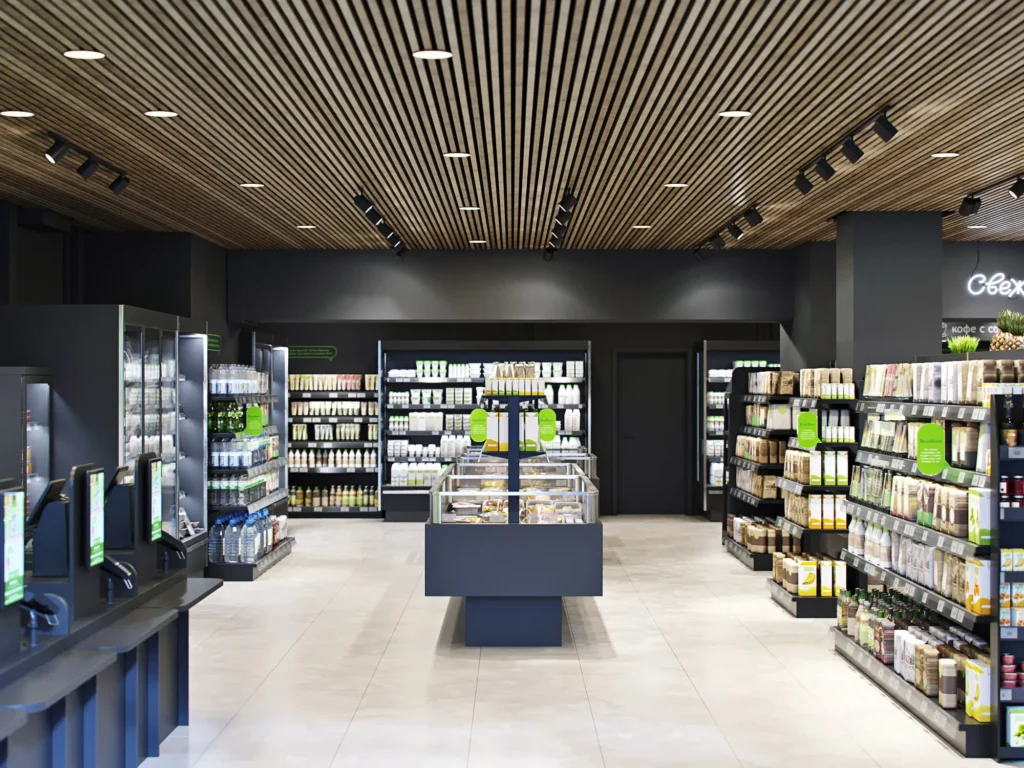
Supermarkets and Convenience Stores — “Efficiency-Driven” Merchandising Engineering
In busy supermarkets, a clear grid layout and well-marked product zones are key. Most items are placed on shelves that move quickly and are easy to restock. End caps at the ends of aisles are the top spots for promotions, new products, or weekly deals.
The layout also uses hot and cold zones. Near the checkout area, small shelves display impulse items such as gum, snacks, or batteries—products that earn high profit and sell fast.
All fixtures need to be easy to clean and allow staff to restock products quickly.
Apparel Retail — Atmospheric Narrative and Experiential Flow
In clothing stores, fixtures help tell the brand’s story and show how outfits can be worn. Basic display tools like hanging rails and hooks keep products organized and easy to browse, creating a steady visual rhythm. Mannequins and themed display areas add highlights, giving customers styling ideas.
Fitting rooms are also part of the shopping experience. Their lighting, size, and level of privacy all affect how likely customers are to buy.
Lighting is especially important. It helps divide different areas, draw attention to certain materials, and create the right mood for the store.
Electronics Stores — Interactive Experiences and Technological Perception
In electronics stores, you need to keep products safe but also fun to try. The most expensive items should be locked in strong glass cases, and you can use LED lights inside the cases to make them look clean and high-tech.
At the same time, you should have open areas where customers can touch and try the latest devices. They can test features, charge their phones, or even sync their data on the spot.
Large digital screens and interactive displays are also important. They show new products, explain key features, and help customers compare different items easily.
The overall look of the store should be simple and modern. Use clean lines, metal materials, and lighting that makes the space feel bright and energetic.
Beauty Stores — Sensory Refinement and Trial Guidance
This version uses straightforward language, bullet points for easy scanning, and explains concepts like “texture” in simple terms.
In beauty retail, the goal is clear: show products perfectly and make trying them easy.
- Show True Colors: Products sit in clear glass cases with special lighting so customers see the real color and feel.
- Smart Organization: Rotating stands or magnetic wall systems organize items by shade or use, making them easy to find.
- Safe & Fun Testing: Test stations have sanitizer and disposable tools for hygiene, plus ring lights and tutorial videos for a better experience.
- Clean Scents: Fragrance areas use automatic scent strip dispensers or separate air systems so different smells don’t mix.
III. Principles of Retail Fixture Design
When designing and selecting retail fixtures, the following key principles must be considered:
Functionality
The primary job of any fixture is to present your products—making them easy to see and simple for customers to pick up. For example, shelf heights should follow ergonomic principles for comfortable reach. Fixtures must also adapt to different products: chilled items need refrigeration, while delicate goods require secure, protective cases.
Aesthetics
The overall visual identity of a retail store heavily relies on the design style of its fixtures. Fixtures should align with the brand positioning and store ambiance, utilizing consistent colors and materials to create a harmonious shopping environment.
Flexibility
Markets and seasons change rapidly. Fixtures should offer excellent adjustability and versatility to adapt to different product display requirements. For instance, modular designs enable stores to quickly switch display layouts, saving time and costs.
Durability
Retail fixtures typically endure long-term use, making materials resistant to wear, impact, and easy to clean highly desirable. Frequent product turnover and repeated customer contact place significant demands on fixture durability.
Safety
Particularly in high-traffic retail settings, fixtures must be stable to prevent tipping and feature no sharp edges, ensuring the safety of both customers and staff.
- Retail Display Technologies and Applications
With technological advancements, retail display technologies continue to innovate, injecting new vitality into traditional merchandising methods.
Digital Signage
Digital signage utilizes LED or LCD screens to dynamically display advertising content, promotional activities, and product information, capturing customer attention and enhancing interactivity. Through data analytics, it also enables personalized recommendations.
Augmented Reality (AR) Displays
AR technology enables customers to virtually try on clothing, test cosmetics, or simulate furniture placement at home via smartphones or dedicated devices, significantly elevating the shopping experience.
Interactive Display Stations
Equipped with touchscreens, these stations allow customers to look up product details, compare prices, and even place orders. By integrating online and offline advantages, they strengthen customer loyalty.
Smart Shelving
Smart shelves incorporate sensors to monitor inventory levels and trigger automatic restocking alerts. They also track customer picking behavior, providing valuable data for analytics.
Multi-Sensory Displays
Immersive shopping experiences are created through lighting, music, and scent, enhancing brand resonance and customer recall.
VI. Future Trends in Retail Display Fixtures
Smart Integration and Digitalization
Future retail displays will increasingly incorporate IoT technology to enable real-time monitoring, intelligent management, and personalized interactions.
Environmental Sustainability
Eco-friendly materials and designs for reusable and recyclable fixtures will address green consumption demands.
Personalization and Customization
As consumer preferences diversify, customized displays will help brands establish unique identities and competitive differentiation.
Cross-Industry Convergence in Experience Spaces
Retail display areas will progressively integrate social, leisure, and entertainment functions, evolving into multifaceted experiential hubs.
Virtual Reality and Metaverse Integration
VR/AR technologies will create immersive shopping environments, transcending physical limitations to pioneer new omnichannel retail models.
Conclusion
Retail fixtures play a key role in connecting products with customers. They shape how people shop and can directly influence sales. These fixtures are no longer simple display tools. Today, they combine technology, good design, and smart marketing.
As new technology and customer habits keep changing, fixtures will continue to evolve. Stores that want to stay competitive and create engaging experiences need to keep improving and innovating their fixture systems.