Grocery Store Design: Tips to Boost Sales
A Comprehensive Guide to Building a High-Performance Grocery Environment
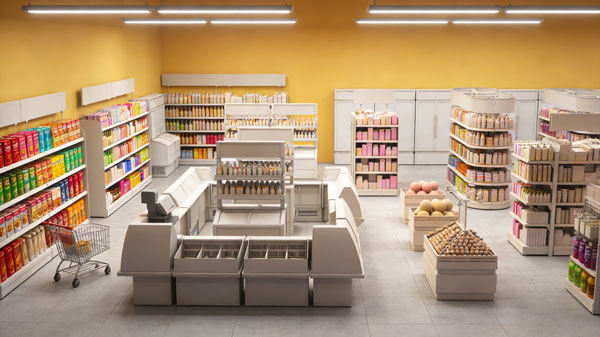
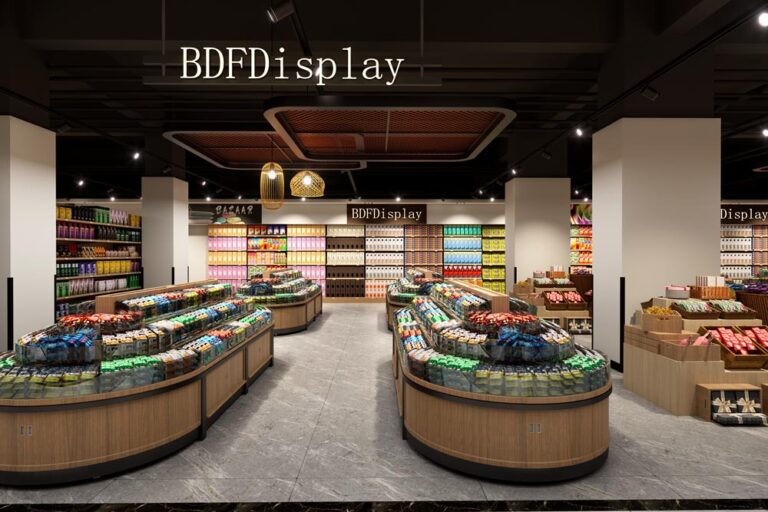
Designing a successful grocery store goes far beyond lining shelves with products. You want a store that’s easy to shop, feels welcoming and trustworthy, and makes customers want to look around, buy without hesitation, and spend more. A grocery store isn’t just a place to sell things; it’s a space where the layout, lighting, shelves, aisle flow, and signs all work together to influence what people buy.
This guide breaks down the key ideas behind designing a successful grocery store, including how customers think, how to arrange the store and products, how to display items effectively, and how to run things in a way that helps you sell more. It shows how every design decision, big or small, affects the whole shopping experience and gets customers to buy more.
1. Understanding Customer Psychology in Grocery Environments
How Shoppers Think, Move, and Decide
Going grocery shopping seems like a normal habit, but people’s choices are easily influenced by their surroundings. Most shoppers only come with a few things they need to buy, but how much they end up getting depends a lot on how the store is set up. When the store feels easy to navigate, well-organized, and visually clear, shoppers naturally feel more at ease and shop more deeply.
Effective grocery design supports the following psychological tendencies:
- Customers prefer predictable and intuitive pathways.
- They respond strongly to visual clarity and category logic.
- Overcrowded displays create stress and reduce purchase interest.
- Eye-level placement significantly increases product visibility.
- Organized environments communicate higher product quality.
When design aligns with human tendencies, the store becomes a space where shoppers feel confident and motivated rather than overwhelmed or hurried. These subtle psychological advantages translate directly into higher sales.
2. Entrance Zones: Setting the Tone and Building Shopping Momentum
Why the First Few Seconds Matter
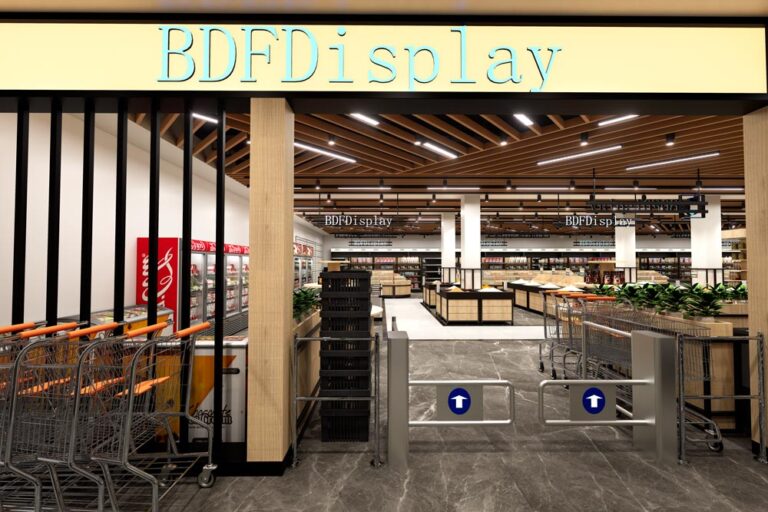
The entrance of a grocery store creates the first emotional impression. It is the boundary between the outside world and the controlled retail environment. In these first few steps, shoppers subconsciously decide whether the store feels comfortable, confusing, chaotic, or inviting.
A strong entrance should:
- Offer a sense of spaciousness rather than immediate clutter.
- Provide clear sight lines into key areas of the store.
- Establish the store’s rhythm through lighting, colors, and layout openness.
- Help shoppers become grounded before encountering dense categories.
An entrance that feels too busy or aggressively promotional can create early fatigue. Shoppers may mentally “shut down,” limiting the number of categories they explore inside the store. A thoughtful, breathable entrance primes customers for a smoother and more enjoyable shopping experience.
3. Traffic Flow: Guiding Shoppers Naturally Through the Space
Designing Movement That Feels Easy and Intentional
Once customers enter, the store’s traffic flow begins to influence their movement, dwell time, and exposure to merchandise. Most shoppers instinctively move toward the right and navigate in a loose counterclockwise loop. Designing the space to support these natural tendencies creates a shopping rhythm that feels effortless.
Key design considerations include:
- Logical circulation paths that gently guide shoppers through essential categories.
- Strategic placement of visual anchors, such as bakery signs, produce displays, or promotional endcaps.
- Avoiding dead zones, which break the sense of flow and reduce exposure.
- Aisle openings and focal points that act like visual “breathing points.”
- Clear directional cues that reduce moments of hesitation.
Smooth flow creates momentum. When shoppers do not need to stop to figure out where to go next, they explore more of the store and encounter more purchasing opportunities.
4. Category Layout: Creating a Store That Makes Sense Instantly
Helping Shoppers Understand the Store Without Thinking
Customers decide within seconds whether a store “makes sense” to them. Grocery design should therefore prioritize clarity and predictability. Categories should be arranged in a way that aligns with common shopping patterns and intuitive logic.
Effective category placement includes:
- Putting everyday staples where shoppers expect to find them.
- Grouping related items to reduce friction and confusion.
- Highlighting department transitions with lighting or signage.
- Creating distinct zones for produce, meats, bakery, dairy, pantry, and snacks.
- Placing high-demand items deeper inside the store to increase exposure to surrounding categories.
A layout that feels intuitive helps shoppers navigate more confidently and spend more time browsing additional categories beyond their original list.
5. Fresh Zones: The Emotional Heart of a Grocery Store
Using Produce and Perishables to Elevate Perceived Quality
Fresh produce and perishables communicate vitality, abundance, and care. They serve as emotional centers of the store, shaping customer perceptions of overall quality. When the fresh zone looks appealing, the entire store feels more trustworthy.
Strong fresh zones feature:
- Bright, warm lighting to highlight natural colors.
- Wide, breathable pathways that allow comfortable browsing.
- Layered and organized displays that feel abundant but not messy.
- Clear pricing and categorization to reduce decision friction.
- A sense of freshness, achieved through regular rotation and cleaning.
Placing fresh zones near the front, but not immediately at the entrance, gives shoppers time to adjust while still making freshness a major early impression.
6. Aisle Design: Height, Width, Depth, and Sight Lines
Creating Aisles That Support Comfort and Clarity
Aisles are the structured backbone of grocery retail. Their proportions and visual openness directly shape the shopper’s level of ease.
For optimal customer comfort and sales:
- Height should preserve visibility without compromising product capacity.
- Width must allow two carts to pass comfortably to avoid congestion.
- Line of sight should remain open toward major category landmarks.
- Shelf depth must support adequate facing without causing shadow or confusion.
Aisles that feel cramped or overly tall generate tension. Thoughtful aisle structure creates an environment where shoppers feel calm and inclined to explore more slowly and thoroughly.
7. Shelf-Level Communication: Where Purchase Decisions Are Made
Maximizing the Power of the Shelf Edge
Most buying decisions occur directly at the shelf. This makes shelf-level organization one of the most influential aspects of grocery design.
Effective shelf communication includes:
- Clean, uniform facings that reinforce order.
- Clear labels and price tags that require no effort to interpret.
- Product blocking by category, type, or brand for easier scanning.
- Vertical merchandising that guides the eye up and down.
- Consistent use of packaging colors to create readability.
The appearance of the shelf communicates perceived product quality and store discipline. When shelves look organized, customers feel they are buying from a reliable retailer.
8. Cross-Merchandising: Creating Natural Shopping Solutions
Increasing Basket Size Through Smart Product Pairing
Cross-merchandising connects products that shoppers naturally use together. It reduces decision fatigue while increasing the number of related items purchased in one trip.
Examples of effective pairings include:
- Pasta with sauces, herbs, and cheeses.
- Breakfast cereals with milk, nuts, or honey.
- Tortilla chips with dips, salsa, and avocados.
- Baking supplies with chocolate, sugar, and toppings.
- Noodles with vegetables, stocks, and proteins.
These combinations tell a story and help shoppers imagine meals or occasions. Successful cross-merchandising is simple, intuitive, and positioned in high-traffic areas where customers are already making decisions.
9. Lighting and Atmosphere: Creating Warmth, Freshness, and Trust
Using Light as a Sales Tool
Lighting influences mood, perception, and even purchase confidence. Different categories benefit from different lighting styles:
- Produce thrives under warm, vivid lighting.
- Meat appears fresher under cooler tones.
- Bakery products look more inviting with soft, golden lighting.
- Dry goods require balanced, functional illumination.
The overall store should feel bright and open, with an atmosphere that encourages customers to slow down rather than rush through. Good lighting reveals texture, color, and freshness—qualities that directly affect perceived product value.
10. Promotional Zones and Seasonal Displays
Making Temporary Displays High-Impact and Easy to Understand
Promotional areas and seasonal islands are excellent opportunities to drive impulse purchases, but they must be curated carefully.
Characteristics of strong promotional zones include:
- A small, focused selection of items.
- Clear storytelling through signage and arrangement.
- Seasonal relevance—summer snacks, winter beverages, holiday baking goods.
- Regular rotation to maintain freshness and surprise.
Temporary displays should never feel like overflow shelves. They are emotional triggers that tell shoppers: “This is timely, relevant, and worth grabbing now.”
11. Checkout Area: Capturing Final Engagement and Purchases
Designing an Efficient and Appealing Final Impression
The checkout zone is the last touchpoint and a powerful driver of impulse sales. It should feel calm and structured, even during peak hours.
Successful checkout design includes:
- Low fixtures that maintain visibility and prevent crowding.
- Simple impulse items that require little thought.
- Clear queue organization supported by subtle signage.
- Cleanliness and minimal clutter.
- Neutral, warm lighting that reduces stress.
A positive checkout experience increases customer satisfaction and improves the overall perception of the store.
12. Cleanliness and Operational Discipline
Why Order and Maintenance Are Part of Store Identity
Cleanliness is one of the strongest non-verbal messages a store sends. Customers equate cleanliness with product safety, quality, and freshness.
Important maintenance behaviors include:
- Cleaning shelves and surfaces regularly.
- Keeping produce rotated and visually fresh.
- Ensuring labels face forward and packaging is undamaged.
- Removing expired items immediately.
- Maintaining consistent display fill levels.
Disorder—even in small corners—reduces trust. Discipline maintains the store’s credibility.
13. Digital Enhancements for a Modern Grocery Experience
Simple Tools That Add Efficiency and Precision
Digital tools add speed, real-time accuracy, and flexibility to grocery operations. Popular enhancements include:
- Electronic shelf labels for quick price updates.
- Digital signage for promotions and category highlights.
- Scannable codes offering deeper product information.
- Systems that automatically adjust displays based on stock levels.
These tools make operations more efficient and allow the store to respond quickly to market changes and customer needs.
14. Designing Effective Small-Format Grocery Stores
Maximizing Impact With Limited Space
Small grocery stores must make every square foot work harder. Successful small-format design prioritizes:
- Clean, simple layouts with minimal visual noise.
- Wider aisles relative to store size to avoid congestion.
- Strong vertical displays that preserve floor space.
- One high-impact focal point near the entrance.
- Multi-purpose fixtures that support different categories throughout the year.
Precision and clarity matter more than variety in compact stores. Every design decision must contribute to comfort and ease.
15. Creating a Grocery Store Experience Customers Want to Return To
Turning Functional Shopping Into Enjoyable Shopping
A grocery store is not only a place for necessities—it’s also a place where shoppers form impressions, develop trust, and choose whether to return. A successful store feels:
- Predictable, not confusing
- Warm and inviting
- Clean and reliable
- Intuitive in layout and signage
- Efficient without feeling rushed
When customers feel the environment supports them—rather than challenges them—they return more often and spend more during each visit.
Conclusion: Grocery Store Design Is a Sales Strategy
Effective grocery store design is a holistic performance system. Every element—layout, category placement, aisle design, shelf communication, lighting, cleanliness, and checkout—works together to shape how customers behave. When the space feels organized, intuitive, and fresh, shoppers buy more and return more often.
A well-designed grocery store doesn’t just display products. It delivers clarity, comfort, energy, and trust—qualities that directly translate into higher sales and stronger customer loyalty.