Introduction
Retail shelving is one of the most powerful tools in any brick-and-mortar store. Good shelves don’t just “hold products”—they shape how customers move, what they notice, and what they ultimately purchase. Countless buying decisions are made simply because a product was easy to see, easy to reach, or attractively presented.
The good news? Improving your shelving does not require a full store remodel. Even small adjustments—changing shelf height, reorganizing categories, improving lighting, or simplifying layouts—can dramatically increase visibility and boost sales.
This guide offers a complete look at practical shelving strategies inspired by real retail merchandising principles, focusing on product visibility, customer psychology, traffic flow, and fixture optimization. These ideas apply to grocery stores, convenience stores, apparel retailers, specialty shops, and even large-format stores.
1. Use Eye-Level Placement to Drive Attention and Sales
The “Buy Level” Rule That Works Everywhere
In retail merchandising, there’s a saying: “Eye level is buy level.” Products placed between chest and eye height get the most attention because that is where customers naturally look without effort.
This zone is ideal for:
Best-selling items
High-margin products
New arrivals
Promotional SKUs
Private label brands you want to push
Lower shelves should hold heavier, bulk, or low-engagement items. Upper shelves can display light but less frequently purchased goods.
Why It Works
Reduces decision friction
Keeps key products in the shopper’s immediate view
Encourages impulse buying
Helps guide category stories (e.g., highlight premium first)
Eye-level shelving is one of the easiest and highest-ROI changes any store can make.
2. Keep Shelves Clean, Simple, and Easy to Scan
Clutter Kills Conversion
Overfilled or messy shelves make customers uncomfortable. When shoppers feel overwhelmed, they browse less and leave faster.
A clean shelf communicates:
Order
Trust
Quality
Easier shopping
Practical Ways to Improve Shelf Presentation
Maintain consistent product spacing
Use straight, parallel facings
Avoid double-stacking unless it improves visibility
Rotate damaged products out
Remove gaps with front-facing techniques
Restock frequently to avoid “empty” visual cues
Customers spend more time browsing when the shelf appears easy to shop.
3. Use Vertical & Horizontal Blocking for Stronger Visual Merchandising
Vertical Blocking
Creating vertical stripes of the same product or color helps customers navigate shelves faster. Human eyes scan top-to-bottom more easily than left-to-right.
Examples:
Vertical columns of the same cereal brand
Vertical color blocks in personal care
Vertical arrangements within snack categories
This strengthens brand presence and makes comparison easier.
Horizontal Blocking
Use horizontal blocks when grouping:
Multiple flavors
Price tiers
Sizes
Good-Better-Best storytelling
This creates a clean, logical product narrative that reduces confusion and speeds up decision-making.
4. Showcase Featured Items with Endcap Shelving
Why Endcaps Are Your Highest-Value Space
Endcaps sit at the ends of aisles where customers naturally look, even if they don’t shop that aisle. They consistently outperform regular shelving because of extremely high visibility.
Great for:
Seasonal promotions
New product launches
High-profit categories
Promotional bundles
Holiday-themed merchandise
How to Build Effective Endcap Displays
Limit SKUs—avoid clutter
Keep signage bold
Use cross-merchandising (chips + salsa, pasta + sauce)
Maintain strong stock levels
Include lighting if possible
Endcaps should feel like mini “micro-stores” with a clear purpose.
5. Improve Shelf Visibility With the Right Lighting
Lighting = Silent Salesperson
Many shelves look dull simply because they’re poorly lit. Lighting highlights product shape, color, and packaging—dramatically affecting appeal.
Lighting Tips That Increase Sales
Use LED strips under shelves
Add spotlights above premium zones
Avoid dark corners or shadows
Use warm lighting to enhance food categories
Use cool lighting for health & beauty
Improved lighting can increase category engagement by double digits.
6. Use Shelf Talkers and Signage to Guide Choices
Why They Matter
Shoppers don’t always know what’s new, what’s trending, or what’s best value. Shelf talkers offer instant guidance.
Effective types:
“New Arrival”
“Top Seller”
“Customer Favorite”
“Best Value”
“Organic Option”
“Kids Love This!”
Best Places to Use Shelf Talkers
Categories with many similar SKUs
Areas where customers hesitate or compare
Promotions and bundles
Health-conscious or specialty sections
Signage reduces mental load and encourages faster decisions.
7. Use Structure and Flow to Control Shopper Movement
Shelves Are Traffic Directors
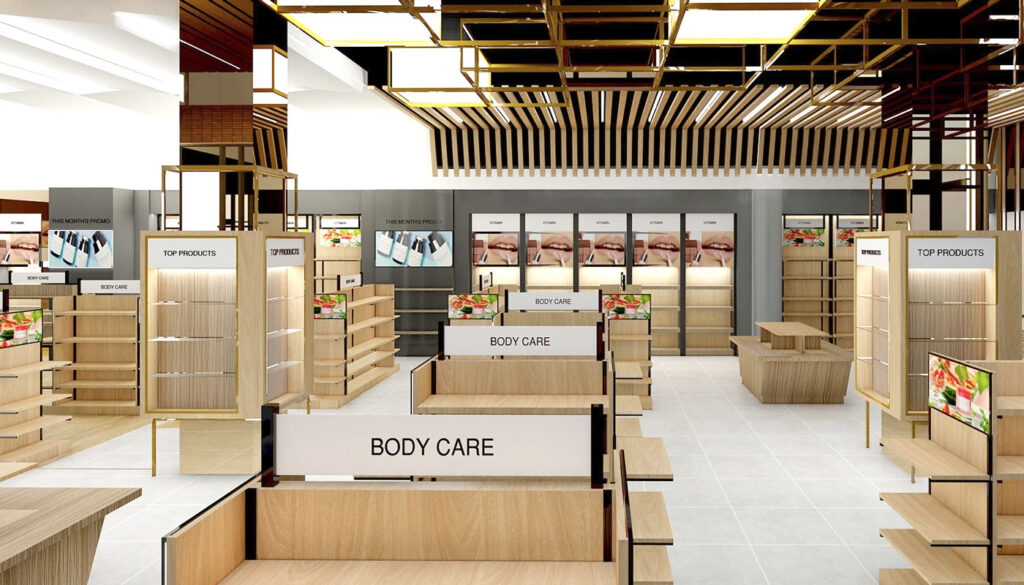
Shelving layout controls how customers navigate your store. Good shelving design turns shopping into a logical journey rather than random wandering.
Strategies include:
Using wider aisles in high-traffic areas
Using shorter fixtures to open sightlines
Positioning impulse categories along routes
Guiding customers from essentials to optional purchases
Avoiding dead ends whenever possible
Shelves that support smooth flow help customers stay longer—one of the strongest indicators of higher spending.
8. Apply Cross-Merchandising to Boost Basket Size
How Cross-Merchandising Works
Displaying related products together makes shopping easier and increases total purchases.
Examples:
Pasta + sauce + parmesan
Coffee + mugs + filters
Bread + spreads
Snacks + beverages
Skincare + cotton pads
Where It Works Best
Endcaps
Promotional tables
Power walls
Within category adjacencies
Near checkout
Cross-merchandising turns single-item trips into multi-item purchases.
9. Refresh Shelves Frequently to Keep the Store Feeling New
Why Refreshing Matters
Customers get shelf “blindness” when displays never change. Regular updates create curiosity and engagement.
Shelf Reset Ideas
Seasonal themes
Monthly “featured brand” sections
New arrival zones
Weekly promotional highlights
Category resets every quarter
When shoppers feel the store is “always new,” they spend more time exploring.
10. Use Durable and Adjustable Shelving Fixtures
Why Fixture Quality Matters
Shelves are not just functional—they are part of your brand. Cheap, unstable, or outdated shelves reduce product value perception.
What Good Shelving Should Offer
Strong load capacity
Smooth edges
Consistent color and finish
Adjustable shelf height
Easy cleaning
Modular or mobile options
This flexibility helps stores adapt quickly without major cost.
Conclusion
Retail shelving is a powerful sales driver when used strategically. Simple changes—like eye-level placement, strong lighting, clear signage, and organized layouts—can dramatically improve product visibility and influence customer choices.
Whether you run a supermarket, fashion store, convenience shop, or specialty retail business, the right shelving strategies help customers shop more comfortably, discover more products, and ultimately increase basket size. With clean, well-lit, easy-to-scan shelves, your store not only looks better—it performs better too.