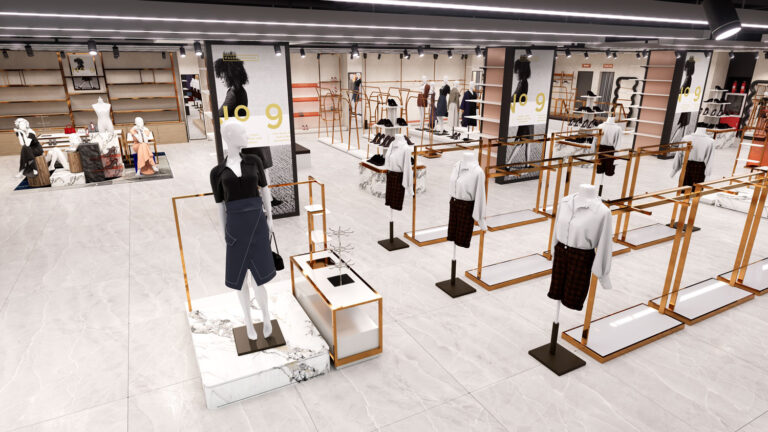
Let’s be honest.
Most clothing stores don’t have a product problem. They have a presentation problem.
You can sell great styles at good prices, but if your store feels confusing, crowded, or just “off”… customers won’t stay.
They won’t tell you why. They’ll just walk out.
And that’s exactly why your store display matters so much.
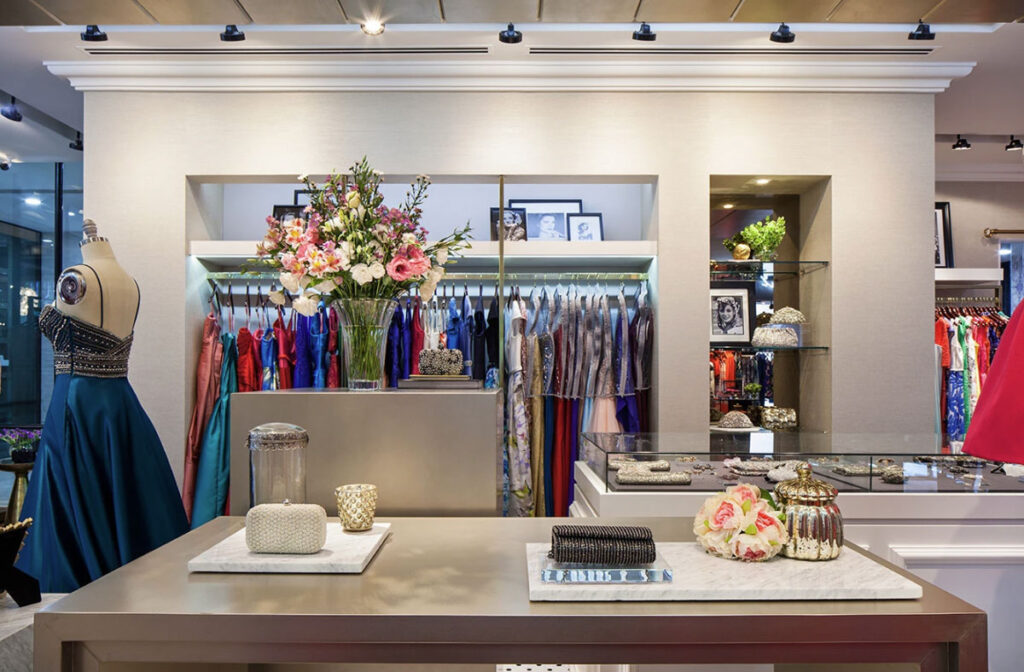
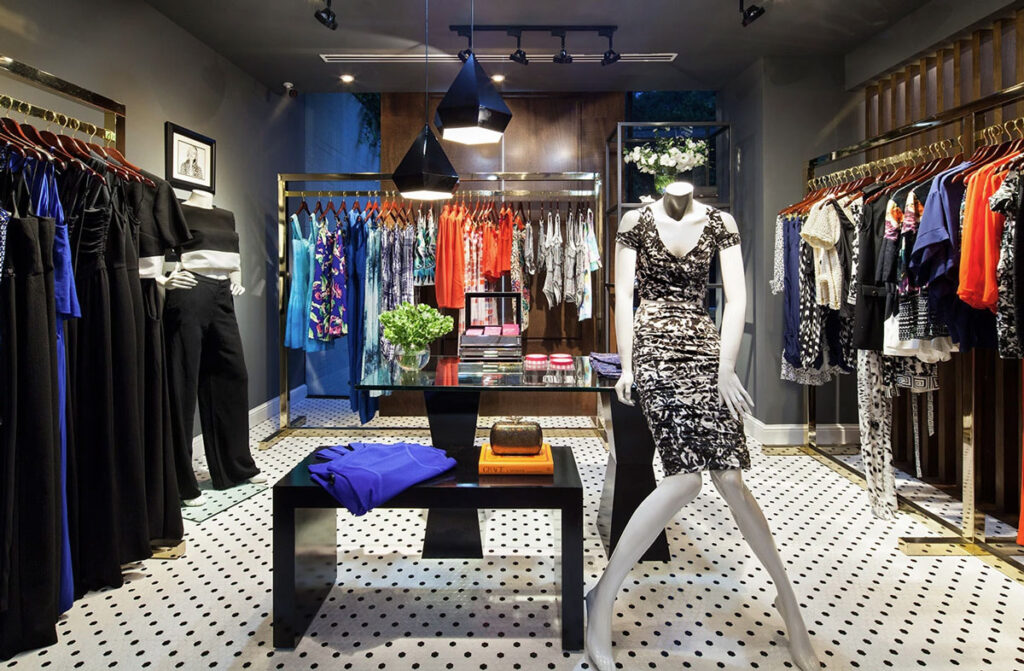
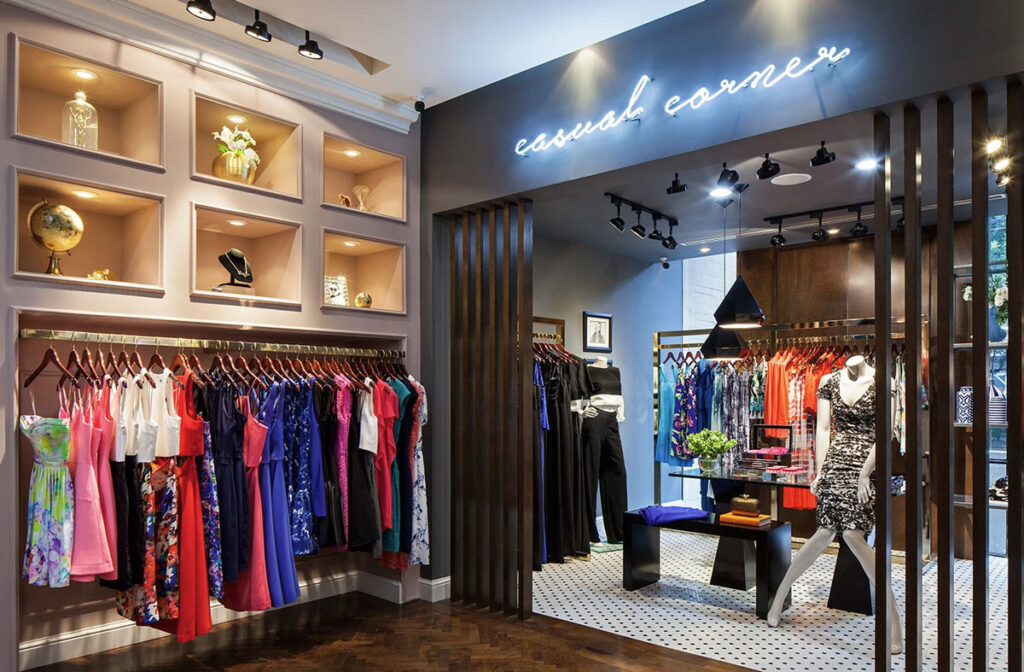
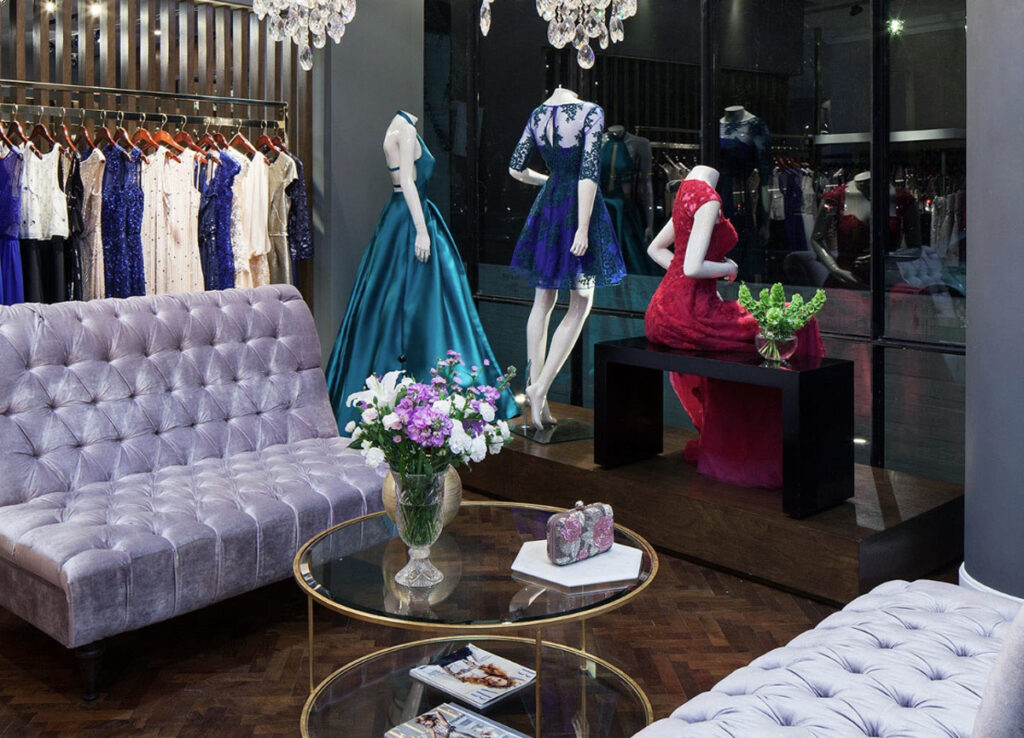
In this guide, we’re going beyond theory. You’ll get real clothing store display ideas you can actually use — the kind that make your space easier to shop, more attractive, and more profitable.
Why Most Clothing Store Displays Don’t Work
Walk into a random clothing store, and you’ll start to notice patterns.
Racks placed without a plan. Too many items squeezed together. No clear sections. No visual focus.
From the owner’s perspective, it feels like “we’re showing everything.” From the customer’s perspective, it feels overwhelming.
And when people feel overwhelmed, they don’t explore — they skim.
That’s the real problem.
A good display doesn’t just “show products.” It helps people move, decide, and buy — without thinking too hard.
20 Clothing Store Display Ideas You Can Use Right Away
Let’s get into the practical side.
These ideas don’t require a full renovation. Most of them are small adjustments that can make a big difference.
1. Use a 4-Way Rack at the Entrance
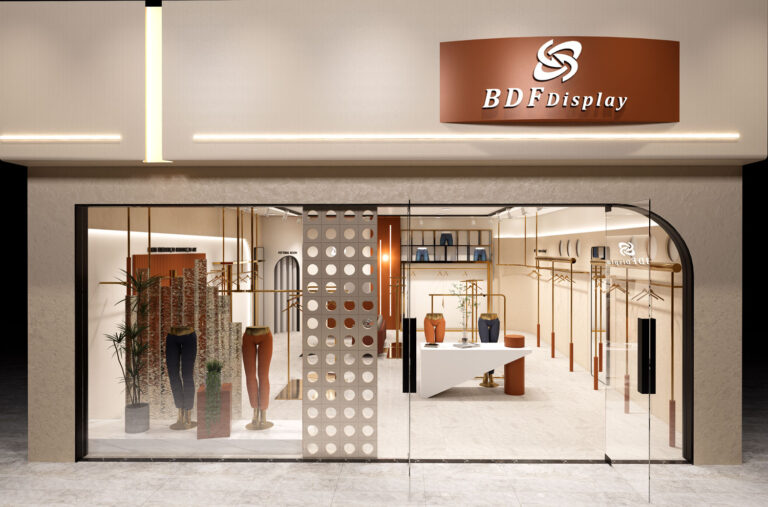
Your entrance is your first impression.
Instead of filling it with too many items, keep it focused.
A 4-way rack works well because customers can quickly see multiple products without walking around.
Use it for:
• new arrivals
• seasonal highlights
• best sellers
The goal here is simple: make people stop.
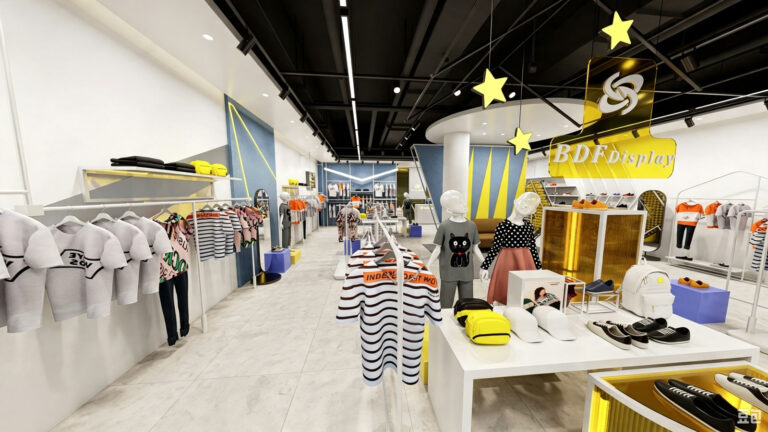
2. Create Clear Product Zones
Customers should never have to guess where things are.
Group products in a way that feels natural:
• tops together
• bottoms together
• dresses in one section
When layout is clear, customers move faster — but also browse more.
3. Don’t Overfill Your Racks
This is one of the biggest mistakes.
When racks are too full:
• items become hard to see
• customers don’t touch anything
• the store feels cheaper
Leaving space actually increases perceived value.
4. Use Vertical Space
Most stores ignore this.
Instead of only using eye-level displays, go higher.
Try:
• double-rail racks
• tall fixtures
• wall-mounted systems
This increases display capacity without making the space feel crowded.
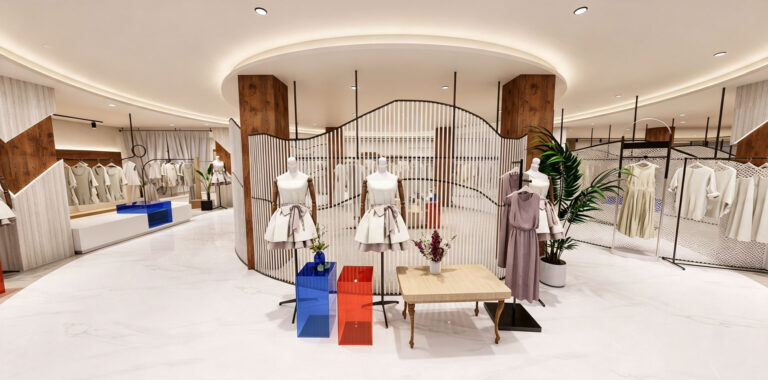
5. Highlight One “Hero” Display
Every store needs a focal point.
Something that immediately catches attention.
It could be:
• a mannequin outfit
• a styled rack
• a seasonal theme display
If everything looks the same, nothing stands out.
6. Mix Hanging and Folded Displays
If everything is hanging, your store becomes visually repetitive.
Break it up.
Use tables for:
• folded items
• featured pieces
• outfit combinations
This adds variety and makes your store more engaging.
7. Use Lighting to Guide Attention
Lighting isn’t just functional — it’s directional.
In many stores, lighting is too flat. Everything looks the same.
Instead, use focused lighting on:
• new arrivals
• high-margin items
• key displays
Customers naturally look where it’s brighter.
8. Keep Walkways Comfortable
If customers feel cramped, they won’t stay.
Make sure people can:
• walk freely
• browse without bumping into others
Even small spacing changes can improve the experience.
9. Add Small Displays Near Checkout
The checkout area is often underused.
Add small, easy-to-grab items like:
• accessories
• add-ons
• impulse products
Customers are already in buying mode.
10. Keep Your Setup Flexible
Your store will change — often.
That’s why flexibility matters.
Use:
• rolling racks
• collapsible racks
• modular fixtures
This makes seasonal updates much easier.
11. Use Color Coordination
Group items by color.
This creates a cleaner look and makes browsing easier.
Customers can scan visually instead of searching piece by piece.
12. Create Outfit Displays
Don’t just show single items.
Show complete looks.
For example:
• top + pants + accessory
This helps customers imagine how to wear the item.
13. Use Mirrors Strategically
Mirrors do more than reflect.
They:
• make the space feel larger
• encourage customers to try items
• keep people engaged longer
14. Rotate Displays Regularly
Even small changes can refresh your store.
Switch:
• featured items
• front displays
• rack positions
This gives returning customers something new to see.
15. Add Simple Signage
Customers shouldn’t have to ask questions for basic info.
Use signs for:
• promotions
• categories
• pricing highlights
Keep it clean and easy to read.
16. Create “Complete Look” Sections
Instead of separating everything, group items that go together.
This increases average order value naturally.
17. Use End Caps Effectively
The ends of racks are prime visibility spots.
Use them to:
• highlight best sellers
• promote deals
• introduce new items
18. Add Lifestyle Elements
Small details can change how products feel.
Try adding:
• bags
• shoes
• props
This makes displays feel more real.
19. Keep Consistent Fixtures
Too many styles of racks can make your store feel messy.
Stick to:
• one finish
• one style
• consistent heights
Consistency builds a stronger visual identity.
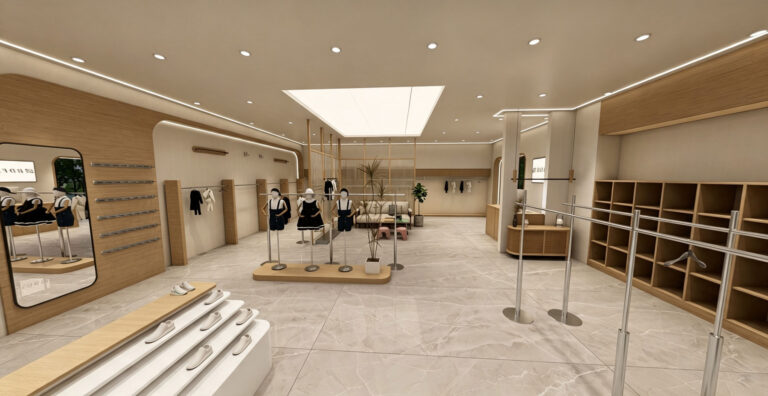
20. Keep the Center Area Open
Especially in smaller stores.
An open center:
• improves flow
• makes the space feel bigger
• reduces stress for customers
How to Design a Clothing Store Layout That Flows
A good layout isn’t about creativity.
It’s about clarity.
When customers walk in, they should:
• See something interesting
• Understand where things are
• Move naturally through the space
If they hesitate, something is off.
Start with the Entrance
Your entrance should feel inviting, not overwhelming.
Focus on:
• a few key items
• clean spacing
• clear direction
Guide Movement Naturally
You don’t need arrows or signs everywhere.
Use:
• rack placement
• spacing
• lighting
to guide flow.
Fix Dead Zones
Every store has areas people ignore.
Usually:
• corners
• dark spots
• tight spaces
Add a small display or better lighting to bring them back to life.
Best Clothing Racks for Retail Displays
Fixtures matter more than most people expect.
They affect both function and perception.
Why Heavy-Duty Racks Work Better
Weak racks create problems:
• instability
• messy displays
• poor customer impression
Stronger racks:
• hold more weight
• last longer
• keep displays clean
They’re especially useful for vertical setups and high-volume stores.
When to Use Rolling or Collapsible Racks
If your store changes often, flexibility matters.
Rolling racks are useful for:
• layout changes
• seasonal updates
• temporary displays
Collapsible racks help save storage space.
Small Boutique Display Ideas (For Limited Space)
Small stores need smarter strategies.
Use Vertical Space First
Instead of adding more racks, go higher.
Keep the Center Open
This makes your store feel larger instantly.
Show Less, But Better
Editing is key.
Too many products reduce impact.
Common Clothing Store Display Mistakes
Let’s talk about what not to do.
• Overcrowding Racks: Too many items reduce visibility and value.
• Poor Lighting: Flat or harsh lighting kills product appeal.
• No Clear Sections: Customers shouldn’t feel lost.
• Ignoring Customer Flow: Bad layout leads to early exits.
• Weak Fixtures: Unstable racks hurt both function and perception.
Clothing Store Display Ideas for Different Store Types
Different stores need different approaches.
Boutique Stores
Focus on:
• curated displays
• fewer items
• stronger visual identity
Large Retail Stores
Focus on:
• clear zoning
• efficient flow
• high-capacity displays
Pop-Up Stores
Focus on:
• flexibility
• easy setup
• portable fixtures
Mall Stores
Focus on:
• strong entrance display
• quick browsing layout
• high visibility sections
Real Example (What Actually Works)
In one small boutique (around 800 sq ft), switching from single racks to double-rail racks increased display capacity by nearly 40%.
At the same time, reorganizing products into clear zones made the store easier to shop.
Result?
Customers stayed longer — and sales increased without adding new products.
Final Thoughts: Keep It Simple
You don’t need a perfect store.
You need a store that feels easy.
If customers can:
• walk in comfortably
• understand your layout
• find what they like quickly
you’re already ahead of most stores.
Start small.
Improve one area.
Then keep going.
Frequently Asked Questions
What is the best way to display clothes in a store?
Keep your layout simple, organized, and easy to navigate. Avoid overcrowding and highlight key products using lighting and spacing.
How do I make my clothing store look more attractive?
Use consistent fixtures, better lighting, and clear product zones. Small changes in layout can make a big difference.
What type of clothing racks are best for retail stores?
Heavy-duty racks are often preferred because they are stable, durable, and suitable for different display setups.
How can I improve a small clothing store layout?
Use vertical space, keep the center open, and focus on fewer, more curated displays.