

Introduction
Gondola shelving is one of the most familiar and reliable fixtures in modern retail stores. You’ve seen it in supermarkets, convenience stores, pharmacies, dollar stores, and even hardware shops. But there’s a reason it’s so widely used—gondola shelving is strong, flexible, and easy to adjust. The right system helps you show more products without making the store look crowded, and it plays a major role in shaping the customer journey.
Choosing gondola shelving isn’t just a matter of picking a style that looks good. You have to think about durability, load capacity, shelf depth, your display categories, and how customers move through your store. A gondola system that works well increases product visibility, improves the shopping experience, and reduces the workload for your staff. In this guide, we’ll walk through everything you need to consider, step by step, with explanations that feel natural and practical—just like advice from an experienced store planner.
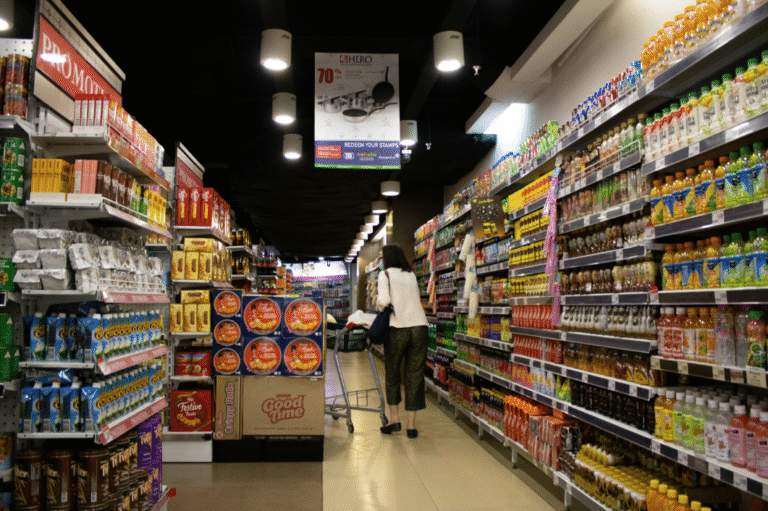
1. Understand What Gondola Shelving Is and Why It Matters
Gondola shelving is a freestanding shelving system with adjustable tiers, typically used to display products in aisles or along walls. Merchandisers love it because you can change shelf heights within seconds, expand display capacity quickly, and adapt layouts to different categories.
1.1 Why Gondola Shelving Is Essential
Retailers choose gondola shelves because they simply do more than hold products—they organize your store. If you walk into any supermarket, the “aisles” you see are shaped by gondola runs. They help divide departments, guide customers forward, and make shopping predictable and comfortable.
Think about the experience from a shopper’s point of view: they expect snacks to be on one aisle, cleaning supplies on another, pet food in a dedicated zone, and seasonal items in a central promotional area. Gondola shelves help create that structure.
1.2 Where Gondola Shelving Works Best
Gondola shelving works almost anywhere because it adapts to both high-traffic and low-traffic areas. For example:
In a convenience store, shorter gondolas open the sightlines so customers can see the entire shop.
In a supermarket, taller gondolas help organize high-volume categories.
In pharmacies, gondolas separate OTC medicine, daily essentials, and personal care.
No matter the store size, gondola shelves help create a clear shopping path.
2. Choose the Right Material for Strength and Durability
Most gondola shelves are made of steel, and there’s a good reason for that. Retail fixtures have to withstand constant restocking, heavy products, and daily customer interaction. Steel is strong enough to handle all of this.
2.1 Powder-Coated Steel Shelving
Powder-coated steel is the industry standard. It offers long-lasting durability, meaning fewer dents, scratches, or maintenance problems. This is especially important in busy stores where shelves are touched constantly.
When you’re stocking heavy items—like cans, beverages, or big cleaning supplies—you need to know the shelf can handle the load without bending or wobbling. Steel shelving gives you that confidence.
2.2 Wire or Mesh Shelving
Wire shelves aren’t as common for entire store layouts, but they’re great for specific product types. For example, produce, snacks, or items requiring more airflow display well on wire shelves. They also help reduce dust buildup and make cleaning easier.
2.3 Hybrid Shelving
Some modern brands prefer a mix of metal frames with wooden elements to create a warmer, lifestyle-oriented look. These hybrid shelving systems offer a balance between durability and design, helping the store feel less industrial.
3. Select the Right Shelf Depth, Height, and Load Capacity
Why measurements matter
The shelf dimensions you choose will determine how much merchandise you can display, how your aisles feel, and how customers interact with products.
3.1 Shelf Depth
Shelf depth affects what you can store and how full the shelf looks.
Shallow shelves (10–12 inches) are great for single-layer displays and lightweight items.
Mid-depth shelves (14–16 inches) work for packaged goods like cereals, snacks, and household items.
Deep shelves (18–22 inches) are ideal for bulky items, pet food, beverage packs, and large cleaning products.
Shoppers prefer shelves that show the products clearly without becoming too deep and shadowed. So choosing the right depth prevents visual clutter.
3.2 Fixture Height
The height of gondola shelving instantly influences how spacious your store feels.
48″–60″: great for convenience stores where visibility is important
72″: the most common supermarket height
84″–96″: used along walls or in large-format retail
Short gondolas make the store feel open and modern. Taller gondolas help maximize vertical space, especially in larger supermarkets.
3.3 Load Capacity
You can’t guess load capacity; you have to know it. Different shelves are designed to handle different loads, and supermarkets especially must take this seriously.
Heavier categories like beverages, canned foods, or large household items require strong shelves. Choosing shelving with high load capacity prevents bending, sagging, or safety issues.
4. Choose the Right Back Panel System
Back panels determine how flexible your display options are.
4.1 Pegboard Backing
Pegboard is perfect if your store sells small, hangable items. Hooks and accessories snap in easily, allowing you to reconfigure your display anytime.
4.2 Slatwall Panels
Slatwall is more premium-looking and supports a wider range of accessories. Fashion accessories, electronics, beauty tools, or gift items look especially good on slatwall.
4.3 Solid Metal Back Panels
These panels are best for stores with heavy products or simple, clean facing lines. They’re steady, strong, and work well for supermarkets and pharmacies.
5. Layout Planning: How Gondola Shelves Shape the Store
How you place gondola shelves matters just as much as which shelves you choose.
5.1 Build a Logical Traffic Flow
Gondola shelves can guide customer flow almost like roads. They help shoppers move through your store in a smooth pattern, ensuring they naturally pass by best-selling or high-margin items.
For example, placing your power wall—the area customers see first—near the entrance encourages immediate engagement. From there, gondola aisles guide customers deeper into the store.
5.2 Create Category Structure
Good gondola planning helps shoppers quickly understand where their desired products are. Grouping categories creates a “story” that feels intuitive:
Snacks → beverages
Cleaning supplies → paper goods
Beauty → personal care
When the layout makes sense, shoppers spend less time searching and more time buying.
5.3 Use Endcaps Strategically
Endcaps are prime real estate. They’re perfect for:
seasonal products
new arrivals
limited-time offers
high-margin SKUs
cross-merchandised bundles
Most impulse sales happen on endcaps—so using them well can dramatically increase revenue.
6. Flexibility: Support Fast Merchandising Changes
Retail changes fast. New products arrive weekly, holidays change themes, and promotions come and go. Your shelving should support this pace.
Adjustable gondolas mean:
shelves can move up or down
you can expand sections quickly
seasonal resets are faster
staff spend less time reorganizing
Flexible fixtures save money and labor over the long term.
7. Safety, Stability, and Quality
Safety is essential for any retail environment.
High-quality gondola shelving includes:
strong steel frames
anti-tip bases
stable footing
smooth edges
reinforced brackets
secure anchoring options
Stores that display heavy products should prioritize thicker shelf decks, strong posts, and anchoring systems.
Conclusion
Gondola shelving is more than a simple storage system—it’s one of your store’s most important merchandising tools. It affects how customers shop, what products they notice, and how efficiently your staff can work.
By understanding materials, dimensions, back panels, safety features, and layout strategy, you can choose shelving that supports your business long-term. The right gondola system increases product visibility, organizes your categories, and creates a customer experience that encourages higher spending.