

In today’s competitive retail world, grocery stores and supermarkets must focus not only on what they sell but also on how they sell it. The first look customers get when they walk in, the moments they spend in each aisle, and even the short wait at checkout can all affect their choices.
These small moments decide whether they pick up an extra item, whether they return to your store, and whether they feel the store is easy to shop and offers good value. This is the purpose of a Display Strategy. It uses space, customer flow, visuals, and clear information to guide where customers look and how they make decisions. When done well, it increases sales and creates a better shopping experience.
In this article, we will use a simple “Terminal + Aisle” framework to explain how to build an effective display plan for grocery stores. We will also look at important methods such as digital tools, cross-merchandising, sustainability practices, and data tracking to help you create a display strategy that is both practical and easy to apply.
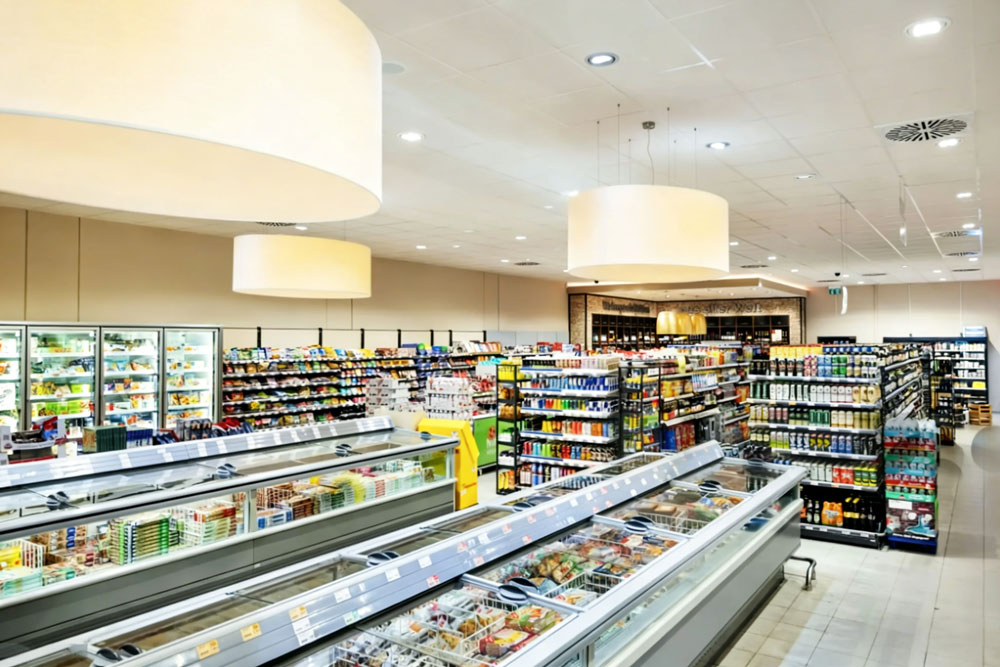
I. What is a Grocery Store Display Strategy? Why Does It Directly Impact Sales?
At its core, a grocery store display strategy uses the customer’s “shopping journey” inside the store. It means putting products in the right places, showing them clearly, and giving customers the right information at the right moment so you can:
- Increase visibility: Help customers notice key items quickly, such as new products, high-margin items, promotions, and seasonal goods.
- Make decisions easier: Help customers understand what to buy, how to use or pair items, and why the product is a good choice.
- Encourage impulse purchases: Make it easy for shoppers to pick up extra items as they move through the store.
- Guide the flow of traffic: Lead customers deeper into the store, help them stay longer, and expose them to more categories.
- Improve product turnover and reduce waste: This is especially important for items like fresh produce, bakery goods, and dairy.
Display strategies usually focus on two main areas:
- Terminal Marketing: Key points at the beginning and end of the shopping journey, such as the entrance, the ends of major aisles, and the checkout zone.
- Aisle Marketing: Ongoing influence throughout the store with shelf displays, end caps, stack displays, promotional islands, and cross-merchandising.
When these two areas work together, they form a complete system. This upgrades the store from simply “offering products” to actively “using space and information to drive sales.”
II. Terminal Marketing: Capturing the “First Glance” and “Last Minute”
The checkout area is where things really happen—it’s busy, it’s where shoppers are focused, and it’s perfect for encouraging those last-minute purchases. If you don’t make the most of this spot, customers might just leave without buying anything extra. But if you design it well, you’ll see people deciding faster, picking up more items, and responding much better to your promotions.
Entrance Displays: Determining whether customers continue browsing
Your store’s entrance does three key things: it makes the first impression, tells customers what you’re about, and guides them inside. The displays here get noticed—especially by younger shoppers like Gen Z and Millennials, who pay a lot more attention to them than older customers. So, your entrance isn’t just a spot for promotions; it’s actually where you win over customers and boost your profits.
Four high-success themes for entrance displays:
(1) Seasonal Relevance
Theme displays around seasons, holidays, or local events instantly signal to customers that “this store stays current with life’s rhythms.” Examples:
- Summer: BBQ theme (charcoal/sauces/beverages/disposable tableware)
- Fall: Pumpkins, cinnamon, baking supplies
- Spring Festival/Mid-Autumn Festival: Gift boxes, beverages, nuts, baking kits
Seasonal displays also have a key advantage: they naturally create a sense of urgency, triggering the “buy now or miss out” purchasing motivation.
(2) New Product Showcase
New items risk getting lost on shelves. The entrance provides a “stage” for new products, ensuring customers see them first, try them first, and develop interest first. Pairing with samples/QR code information/introductory pricing significantly boosts conversion.
(3) High-Margin Placement
The entrance is a critical point for “early basket building.” Positioning high-margin items, multi-buy products, or cross-sell opportunities at the entrance helps customers start filling their carts from the outset, making it easier to encourage continued purchases later.
(4) Brand Story Elements
Entrances sell not just products, but your identity. Whether you emphasize local farms, organic sourcing, value-for-money, curated imports, or sustainability, use entrance displays to communicate your value proposition clearly: Simple headlines, origin details, price comparisons, and certification labels let customers grasp why you’re worth buying within seconds.
Key execution points for entrance displays:
- Keep themes singular and messaging clear: Instantly convey “What’s this promotion/Why should I buy?”
- Create visual focal points: Use color zoning, layered stacking, and negative space (avoid overcrowding)
- Pair with “solutions”: Don’t just display products—offer “how to use” guidance (e.g., recipe cards, meal bundles)
- Frequent updates: Entrance displays determine whether returning customers perceive freshness
The checkout counter is your final—and often most effective—sales opportunity. Once customers have finished their main shop, they’re mentally ready to say “yes” to small, easy add-ons. That’s why checkout displays should focus on things that are small, quick, inexpensive, handy, and relevant.
Here are four smart ways to make your checkout work harder:
Think “Grab & Go” Stock items that are easy to pick up without much thought: gum, mints, chocolate bars, snack-sized nuts, batteries, wet wipes, or travel-sized hand cream.
Stock “Forgot-Me-Nots” This is the perfect spot for those last-minute necessities: sauce packets, lighters, band-aids, pocket-sized rain ponchos, or phone charging cables. These aren’t just impulse buys—they’re helpful reminders.
Guide the Line, Don’t Block It Use the queue itself to your advantage. Place small displays along the waiting path so customers naturally pass more products—without clogging the counter or frustrating shoppers.
Go Digital at the Point of Sale Small screens or digital tags right at the register can show daily deals, member offers, limited-time bundles, or reward redemptions. Moving messages catch the eye faster than static signs—ideal for quick, clear promotions.
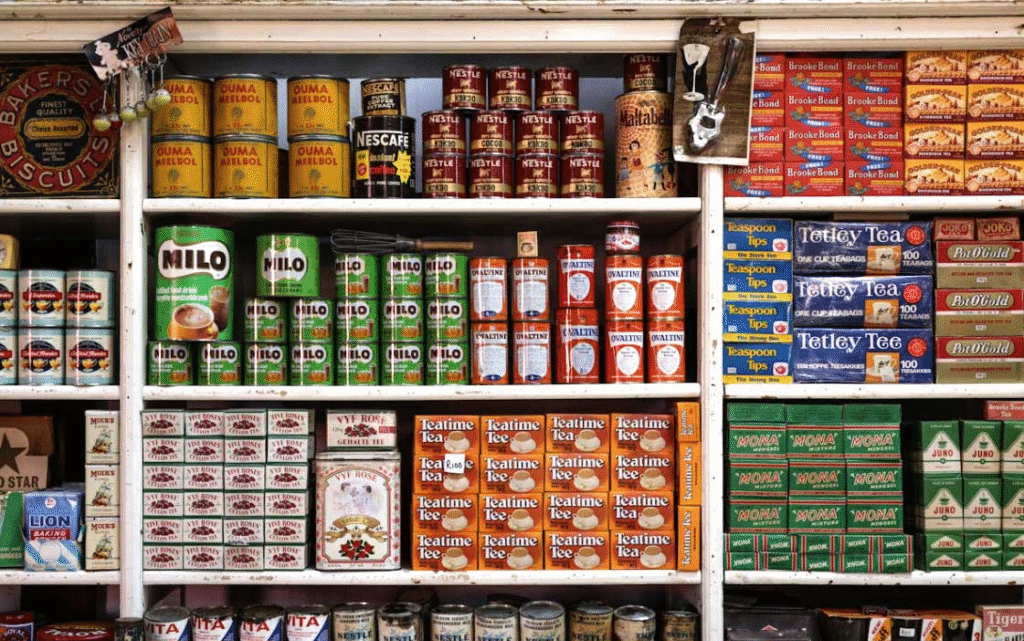
III. Aisle Marketing: Making Shelves “Talk”
If the entrance and checkout are your store’s “hot spots,” then the aisles and shelves are the real heart of the battle. This is where customers spend most of their time—searching, comparing, hesitating, and deciding what to pair together. Effective aisle marketing is all about gently guiding shoppers to see more, pick up more, and add more to their cart… without ever breaking their natural flow.
Shelf Display Fundamentals: Turning “Visible” into “Accessible”
(1) Eye-Level Placement = Buying Zone
The eye-level zone is the shelf’s most lucrative “buying zone.” Position products strategically based on objectives:
- Compete with big brands: Place familiar, well-known brands at eye level
- Emphasize value: Position private labels/high-value SKUs at eye level
- Promote new/high-margin items: Position new products/profit drivers at eye level with clear justification (selling points cards, price advantages, trial prompts)
(2) Vertical Blocking
Arrange items vertically by brand or series. This facilitates quicker recognition than horizontal stacking by size and aligns with customers’ scanning habits. Customers can complete “brand recognition → price comparison → specification selection” by scanning a single column from top to bottom.
(3) Color Blocking
Color conveys information faster than text. Fresh produce sections especially benefit from using color to express “freshness and variety,” such as creating visual rhythm with alternating red, yellow, and green fruits and vegetables.
(4) Negative Space
Overcrowded shelves are counterproductive. Excessive density makes selection difficult, hinders access, creates a cramped feeling, and even diminishes perceived quality. Strategic negative space highlights key SKUs and simplifies maintenance.
(5) Proper Stocking & Zoning
Even the best display becomes meaningless if it’s messy, empty, or collapsed within three days. Core principles:
- Avoid overstacking (especially fragile items like bread or fruit)
- Implement FIFO (First In, First Out) to prevent expiration and spoilage
- Frequent “tidying + restocking” to keep displays consistently “freshly arranged”
2) Cross-Merchandising: Boosting Average Transaction Value Through Pairings
The essence of cross-merchandising is grouping related products from different categories to encourage impulse purchases. This significantly enhances shopping convenience and cross-selling, making it one of the most direct methods to increase basket size.
Three Levels of Cross-Merchandising:
(1) Logical Pairings
The most fundamental and consistently effective approach:
- Pasta sauce next to pasta
- Dipping sauces next to chips
- Jam/peanut butter next to bread
- Coffee filters/cups next to coffee beans
(2) Meal Solution Groupings
More advanced: Display items based on “preparing a meal/scenario.” Examples include “Family Hot Pot Zone,” “Lunch Box Zone,” or “Weekend Brunch Zone,” where staples, seasonings, sides, and beverages are grouped together, enabling customers to “grab everything in one stop” without deliberation.
(3) Unexpected Discoveries
Create surprises:
- Place red wine next to cheese
- Fruit next to yogurt
- Fresh meat next to spices
These pairings drive “inspiration-driven add-ons,” especially effective for high-margin items.
One retailer achieved millions in annual sales growth and profit increases after rolling out “cross-category pairings” across multiple stores, demonstrating that scaled and standardized cross-merchandising yields substantial returns.
3) End Caps: The “Prime Advertising Space” in Aisles
End caps occupy the most visible positions as customers enter aisles, making them high-value shelf space. Effective end cap design creates a “permanent, unmissable advertisement” within your store. Ideal for:
- Seasonal promotions and themed campaigns
- High-margin products
- New product launches
- Special offers and bundle deals
- Private label brands (to boost awareness and trial)
Four principles for high-performing end caps:
- Single theme: Tell one story per end cap (e.g., “New Year nuts” or “Pasta night”), avoiding cluttered mix-and-match layouts that resemble clearance sections.
- Clear labeling: Value propositions must be instantly understandable (e.g., savings amount, limited-time offers, new arrivals, buy-one-get-one deals).
- Curated SKUs: Fewer, higher-quality items sell better; too many choices overwhelm shoppers.
4. Vertical Design: Visuals should draw upward attention from afar while ensuring bottom shelves remain stable and easily accessible.
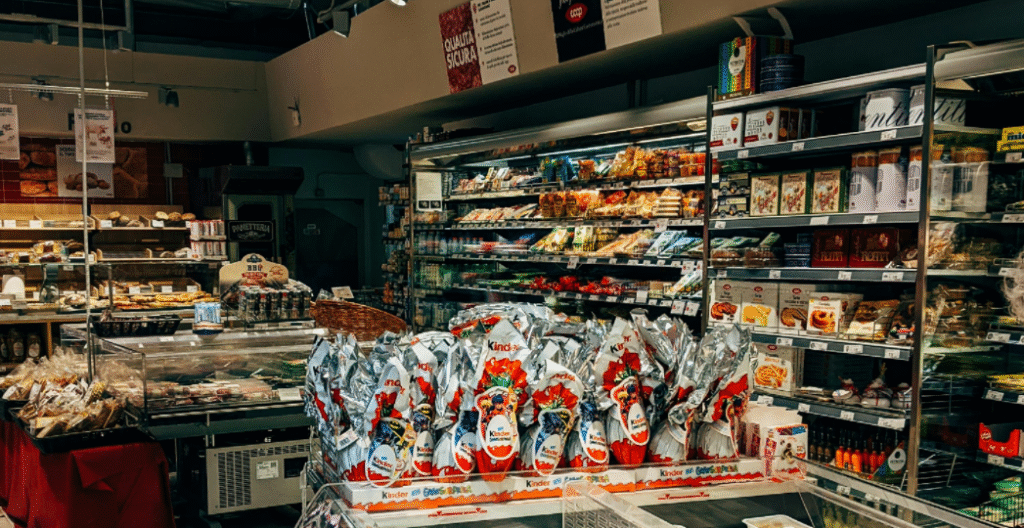
IV. Advanced: Transform “Display” into Experience, Not Just Merchandise Placement
Once basic placement is optimized, elevate displays to be interactive, educational, immersive, and shareable—driving higher conversions and stronger brand recall.
1.Digital Integration: Digital price tags, screens, QR codes, interactive content
Digital elements significantly boost attention in terminal zones, ideal for:
- Promotional carousels (Today’s Hot Deals, Member Pricing)
- Price comparisons (making value instantly clear)
- Product demonstrations (how to eat, prepare, or use)
- Navigation and directional cues (quickly locating categories)
Implementable digital options:
- Digital price tags: Dynamic pricing adjustments, reducing manual errors
- Compact digital displays: Complementing end caps/entry promotions
- Interactive kiosks: Check inventory, nutrition facts, recipes
- QR codes: Link to recipes, videos, brand stories, member benefits
Digitalization isn’t about flashiness—it’s about faster information delivery and lower decision-making costs. For instance, a QR code linking to “3 10-Minute Dinner Recipes” offers far greater value to busy shoppers than a brand promotional blurb.
- Immersive Brand Experiences: Elevate Premium Pricing Through Senses and Storytelling
Exceptional displays can become “brand experience zones.” Especially during seasonal promotions, display investments can yield exceptionally high returns.
Craft immersive experiences through four dimensions:
- Sensory elements: Tastings (taste), touchable displays (touch), baking/coffee aromas (smell), soft music (hearing), lighting and colors (sight)
- Storytelling: Origin, craftsmanship, farmers, sustainability commitments
- Interactive mechanisms: sampling check-ins, QR code sweepstakes, doubled loyalty points
- Photo-worthy moments: encouraging customers to share images (especially effective with younger demographics)
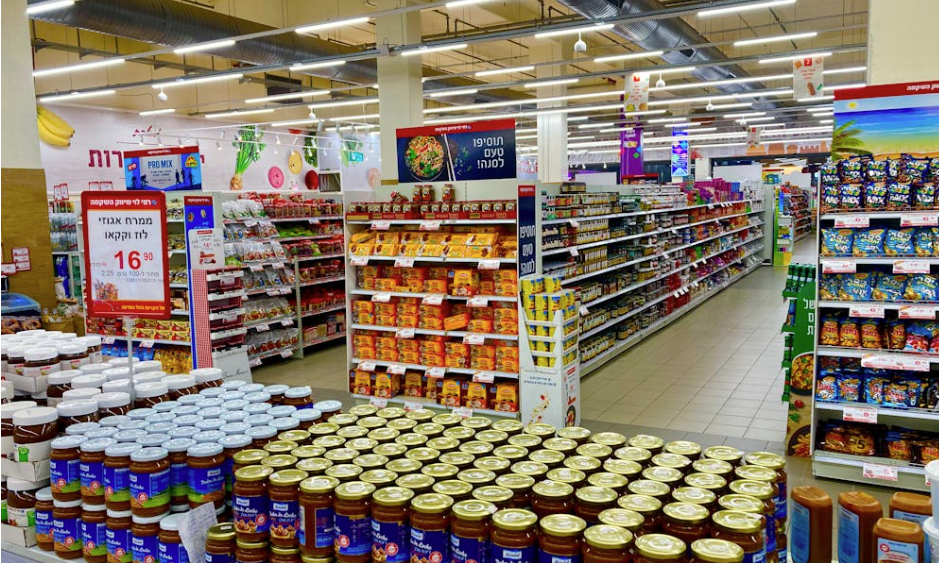
V. 2026 Trends: Sustainability, Tech-Enhancement, and Value-Driven Approaches Will Dominate
- 1.Sustainable displays: Eco-friendly materials and “green messaging” are becoming essential
Growing numbers of consumers actively seek sustainable shopping experiences. Display implementation can include:
- Using eco-friendly materials (recyclable cardboard, FSC-certified materials, etc.)
- Highlighting environmental attributes (local production, reduced plastic packaging, carbon footprint information)
- Clearer, more educational zero-waste bulk sections
- Showcasing local supplier stories (farms, cooperatives, artisanal brands)
The key to sustainable displays: Make your efforts visible to customers and turn them into reasons to choose your brand.
- 2.Tech-Enhanced Experiences: AI Personalization & Dynamic Pricing
Future displays will be more “real-time”:
- AI adjusts recommendations based on customer profiles
- Digital price tags enable time-based promotions (early bird/evening clearance pricing)
- Interactive recipe screens automatically suggest menus based on nearby products
• AR displays showcasing “product usage scenarios” (more common for non-food or high-ticket items)
VI. 2026 Trends (Continued): Value-Driven Merchandising Must Be “Clearer, Easier, and More Trustworthy”
As more customers adjust their buying habits to save money, merchandising strategies must shift from “aesthetic appeal” to “simplifying value assessment.” Value-driven merchandising isn’t merely plastering “sale” tags everywhere—it reduces comparison costs through more intuitive presentation.
Three Common Value-Driven Merchandising Approaches:
Price Comparison
At end caps, entrances, or key shelves, use clear signage to communicate “how much you save,” “how much cheaper than regular price,” or “better value than similar products.” Ensure messaging is compliant and truthful, avoiding ambiguous comparisons that erode trust.
Bulk Savings
Create dedicated displays for family packs or multi-unit bundles, accompanied by “cost per serving” or “unit price conversion” to help customers quickly grasp the value.
Private Label Alternatives
More stores are using end caps, pile displays, and eye-level shelf space to promote private labels, as they reinforce the “money-saving mindset” while boosting gross margins. Strategically employ “benchmark displays”: place private labels alongside well-known brands, using price tags, flavor/ingredient information, and blind taste tests to increase trial rates.

VII. Display Strategies for Different Store Sizes: Key Considerations for Small vs. Large Outlets
Display strategies must align with store size and customer demographics. Otherwise, issues arise like “trying to emulate large supermarkets but failing to execute” or “cramped spaces causing chaotic customer flow.” Below are key strategies for small and large stores respectively.
1) Small Stores: Win the Space Battle with “Vertical + Multi-Functional + Mobile”
The core challenge for small stores is balancing comprehensive SKU offerings with limited space. Therefore, small store displays emphasize “efficiency per square foot.”
For Small Stores: Work Smarter, Not Harder Space is your most valuable asset. The goal is to create a feeling of choice without clutter.
Go Vertical: Use your walls and tall units. Place top sellers at eye level and related items above or below—this saves floor space and boosts visibility.
Combine & Conquer: Group related products together on one fixture. Think a “Coffee Morning” display with mugs, coffee, and pastries, instead of spreading them out.
Stay Flexible: Use rolling carts or movable islands for weekly features. This keeps your store feeling fresh and lets you adapt quickly
Don’t Forget Breathing Room: Avoid the temptation to fill every inch. Leave some “negative space” and keep aisles clear. A crowded store makes customers leave faster.
For Large Stores: Guide, Don’t Overwhelm Your challenge isn’t lack of space—it’s making a huge space feel manageable and engaging so customers don’t get tired or lost.
Create Mini-Shops: Use displays to build distinct zones, like a “Global Foods” section or a “Back-to-School” hub. This breaks the store into easier, themed experiences.
Displays as Road Signs: Use bold end caps, hanging signs, and color-coded areas to naturally guide customers where you want them to go, exposing them to more products along the way.
Build Destinations: Place major, exciting displays deep in the store—like a seasonal cooking station or a local brands showcase. This gives customers a reason to explore further, increasing their time in the aisles.
VIII. Implementation Roadmap: Reduce Trial-and-Error Costs Through Phased Execution from Assessment to Launch
Many store displays fail not due to flawed concepts, but overly aggressive implementation: a one-time, storewide overhaul that overwhelms staff, disrupts restocking, and lacks an evaluation system. A more prudent approach is “Assessment—Pilot—Review—Expansion.”
Step 1: Assessment & Planning
Complete at least four evaluations:
Traffic Flow Analysis
Observe customer paths upon entry, key stopping points, and rarely-used aisles. Use manual observation, camera heatmaps, or simple staff logs.
Sales & Gross Profit Data Review
Identify: high-margin categories, top-selling categories, slow-moving categories, and high-waste categories. Prioritize display resources for categories that “drive incremental sales” rather than those that merely “occupy space.”
Competitive Audit
Examine how competitors in the same commercial district handle entrances, end caps, checkout add-ons, and seasonal themes. The goal is not to copy, but to identify points of differentiation and inspiration.
Customer Feedback
Which sections are hard to find? Which promotions are confusing? Which products should be placed closer? A single customer comment often pinpoints display blind spots.
Step Two: Phased Implementation
Recommended timeline:
- Pilot: Select one aisle or a group of end caps (e.g., “pasta + sauce + cheese”) for cross-category display testing.
- Data Collection: Track performance for at least 2-4 weeks, recording sales uplift, cross-sell rates, restocking pressure, and shrinkage changes.
- Refinement: Use data to determine whether to change themes, SKUs, or signage messaging.
- Roll-out: Replicate successful approaches storewide or across multiple locations, establishing standardized execution checklists (display diagrams, restocking frequencies, signage templates, etc.).
IX. Embedding “Display Strategy” as Core Operational Capability: Personnel, Processes, and Standardization
Effective merchandising relies not just on initial design but sustained execution. Transform displays into a team’s “repeatable capability.”
1) Employee Training: Simplify Execution
Clearly communicate three essentials to frontline staff:
- How to Display (Standards): Use photos, simplified floor plans, and endcap templates to show them “what correct looks like.”
- How to Replenish (Rhythm): When to restock high-frequency SKUs? When to tidy endcaps? When to fill checkout shelf displays?
- Inspection Focus (Checkpoints): Daily areas most prone to disarray? Labels most susceptible to errors?
2) Maintenance Mechanisms: Display “Lifecycle Management”
Every display has a lifecycle. Define:
- Endcap theme rotation frequency (e.g., weekly/biweekly)
- Seasonal theme preparation timeline (plan at least 4-6 weeks in advance)
- Promotional material replacement and removal procedures (to prevent expired promotional signs from damaging trust)
- Fresh produce display “restocking and turnover” frequency (to prevent overstocking and spoilage)
3) Tooling: Accelerate decision-making with simple data
Even without complex systems, start with minimal tools:
- Use POS reports to track weekly SKU sales trends
- Record endcap “pre-display sales vs. post-display sales”
- Store staff take photos with phones for “before-and-after display comparisons”
- Track cross-selling: Do related categories near display zones grow synchronously?
If you can implement planogram and execution tracking tools, the closed-loop process—“Headquarters planning → Store execution → Photo feedback → Comparative analysis → Rapid adjustments”—becomes smoother and better maintains consistency across chain stores.

X. Practical Combo Strategy: A Scalable “In-Store Display Model” from Entrance to Checkout
For clarity, here’s a “Full Journey Display Strategy Template” adaptable to your store’s context.
1) Entrance: One Theme + One Bestseller + One Solution
- Theme: Seasonal/holiday/local events
- Bestseller: High-margin or new product (easy to understand, easy to try)
- Solution: Recipe cards/meal kits (e.g., “10-Minute Dinner Kit”)
Goal: Trigger “browsing” and “grabbing” actions within 30 seconds.
2) Main Aisle & Hot Zones: Rotate “Hot Spots”
Establish weekly “must-visit” hotspot displays (end caps, main aisle islands) and maintain consistent rotation. Rotation creates a sense of discovery, significantly boosting repeat customer engagement.
3) Aisle Shelves: Eye-Level Strategy + Vertical Zoning + Clear Pricing
- Position key SKUs (private label/new products/high-margin items) at eye level
- Vertically organize by brand or series to reduce search effort
- Ensure accurate pricing to prevent purchase abandonment due to unclear costs
4) End Caps: Fewer SKUs, Strong Signage, Compelling Reasons
End caps aren’t shelf extensions—they’re advertising spaces. Clearly communicate value propositions:
- Limited-time discounts
- Buy-one-get-one-free (BOGO)
- Bundle savings
- New product sampling
- Theme bundles (Taco Tuesday/Date Night/Family Hot Pot)
5) Cross-merchandising: Evolve from “logical pairings” to “theme bundles”
Start with stable logical pairings, then introduce rhythmic theme bundles. Place theme bundles at entrances/end caps/main aisle islands for maximum impact.
6) Checkout: Small-ticket add-ons + Forgotten item alerts + Time-based promotions
- Impulse items under ¥10 (or low-value range)
- “You may have forgotten” essentials
- Use small screens/digital price tags for “limited-time add-ons” (e.g., evening rush, weekends)
XI. Case Study: How a “Endcap + Aisle” Strategy Yielded Substantial Results
A major grocery retailer implemented a comprehensive merchandising strategy with key actions including:
- Entrance: Seasonal fresh produce + “Meal Solution” displays
- Endcaps: Weekly rotation of high-margin SKUs
- Cross-merchandising: Complementary category pairings (scenario-based)
- Checkout: Impulse items under $10 displayed
Outcomes were outstanding: Not only did it achieve high visibility and a high rate of unplanned purchases, but it also delivered significant incremental sales and return on investment. This case illustrates: Merchandising isn’t a single-point technique, but a systematic, end-to-end journey. The entrance sparks interest, aisles provide continuous guidance, end caps amplify promotions and new products, and the checkout maximizes the final opportunity for add-ons.
XII. Common Pitfalls: Many stores display “hard work” but see no sales growth
This final section clarifies the most frequent pitfalls to prevent wasted resources, labor, and time without returns.
- Cluttered entry displays: Information overload confuses customers—equivalent to no display at all.
- Overloaded end caps: End caps require “strong themes,” not “inventory clearance.”
- Obsession with full shelves: Overcrowding discourages selection and complicates maintenance.
- Lack of restocking/tidying protocols: Disorganized displays or out-of-stocks after three days negate all effort.
- No data feedback loop: Without knowing what works, you’re left guessing and repeatedly failing.
- Unreliable promotions: Incorrect price tags or ambiguous discounts erode customer trust.
- Ignoring customer usage scenarios: Customers don’t buy SKUs—they buy “what to eat tonight” or “how to spend the weekend.” Without context, cross-selling and upselling become impossible.
Conclusion: Transform displays into a “low-cost, replicable, scalable” engine for store growth
The core of Grocery Store Display Strategy lies in systematically designing end caps and aisles to organize customer attention, movement, and decision-making. You don’t need to start with expensive fixtures or large-scale renovations. The truly effective path is often:
- First strengthen the entrance and checkout end caps (quick wins)
- Then use end caps and cross-merchandising to boost cross-selling (increase average basket size)
- Optimize shelf efficiency with eye-level and vertical displays (improve conversion)
- Finally, standardize processes with data and workflows (for sustained long-term growth)
When you consistently achieve “right placement, right themes, right presentation, right maintenance, and right data review,” merchandising ceases to be a cost center and becomes one of your store’s most stable profit drivers.