🌐 China Factory × Global Service | Custom Display Cabinets & Store Furniture for Retail Brands

Phone

86-13710863392

E-mail

sales@biaodefu.net

Whatsapp

86-13710863392

Retail Store Fixtures Buying Guide: How to Choose the Right Supplier

Table of Contents

Choosing display fixtures for a store is not just about putting shelves, racks and counters in the space. The right display rack changes how customers move how clear products look, how easy it is to restock for staff and how consistent your brand appears.

If you are opening a store renovating an old one or launching a multi‑store project the best method is to first state your store needs then look at products and ask for quotes. This way you choose display racks that fit your goods, space, budget and daily needs not just the cheapest price.

This guide for buying display racks shows how to make a plan and how to check suppliers reliably.

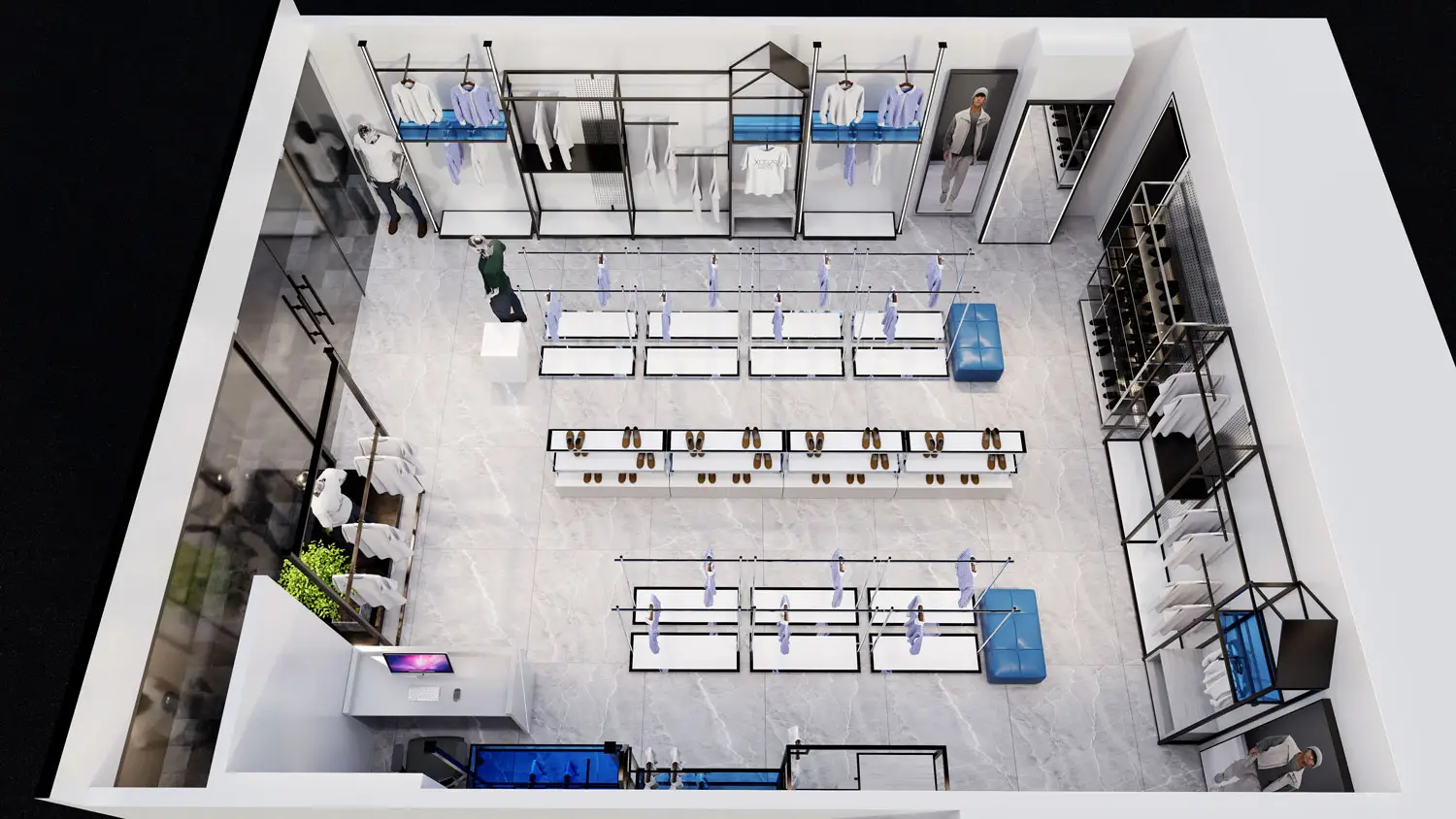
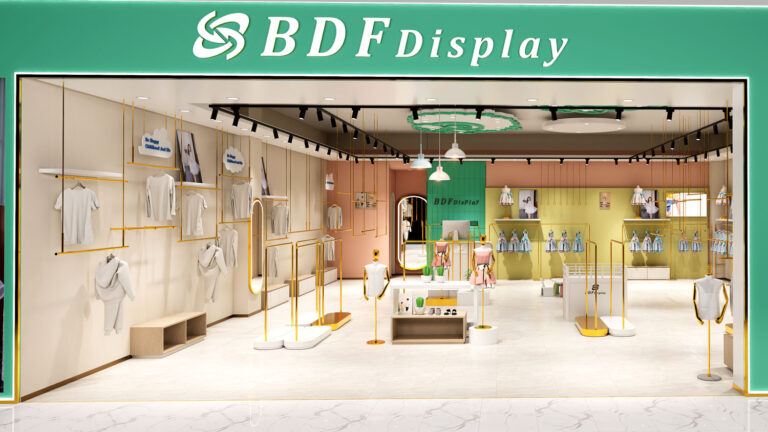
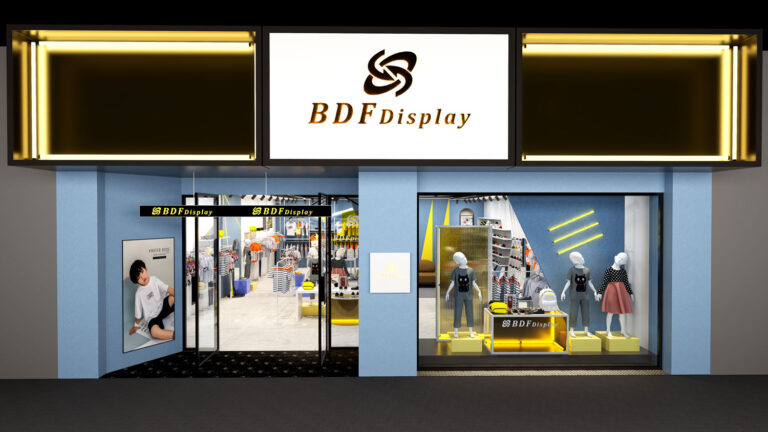
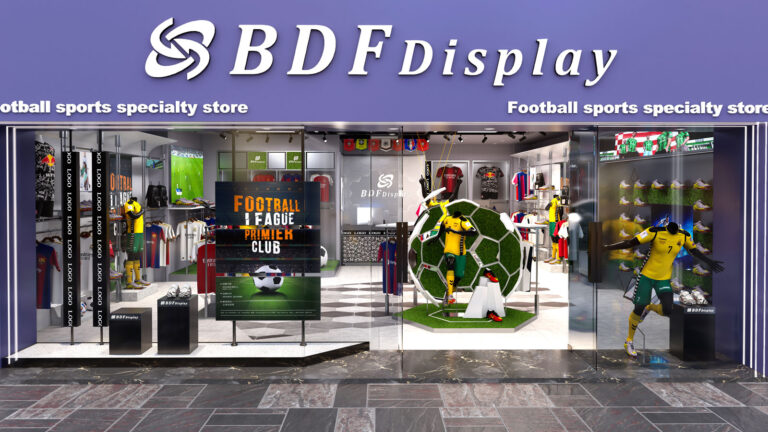
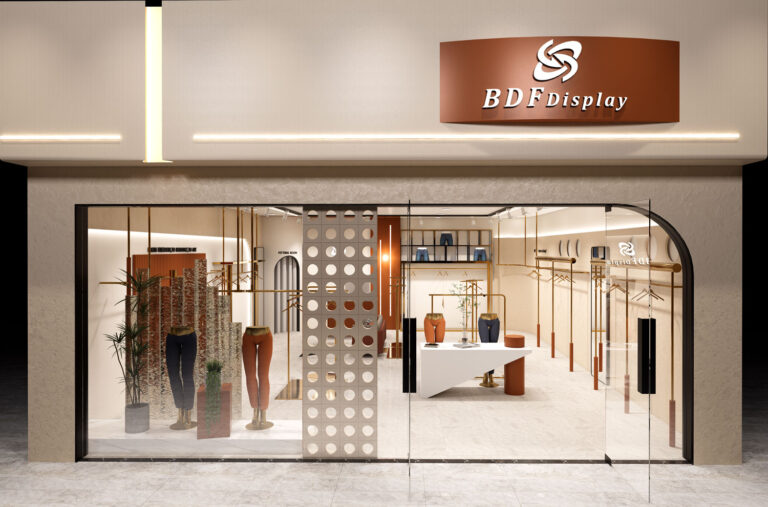
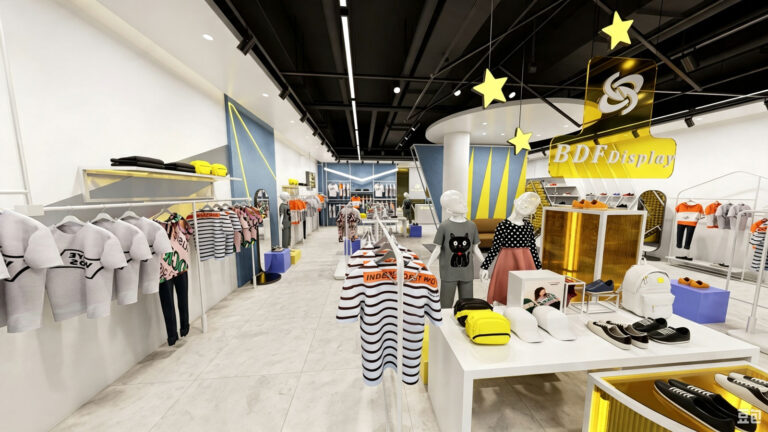
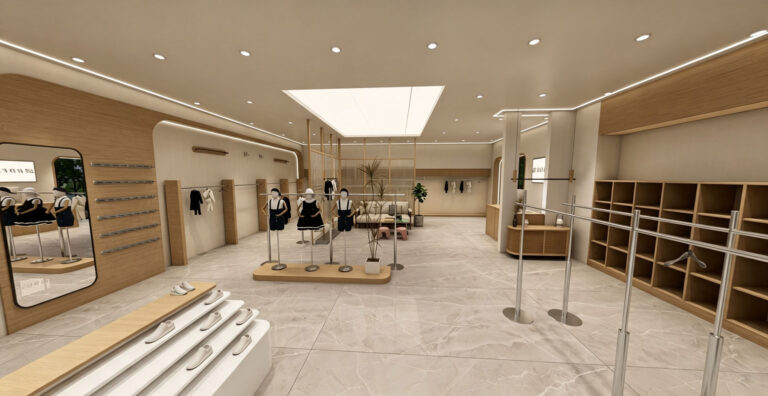
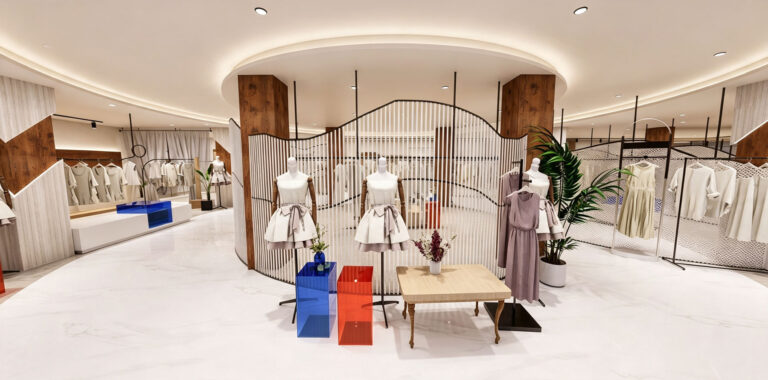
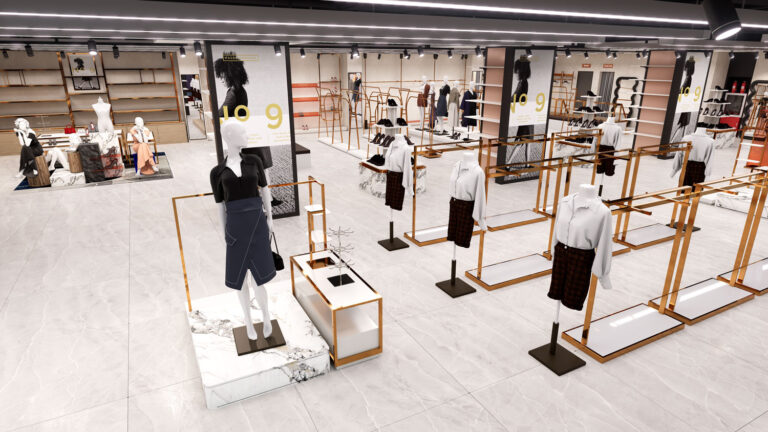
Complete 3D retail store design with custom clothing racks by BDF Display
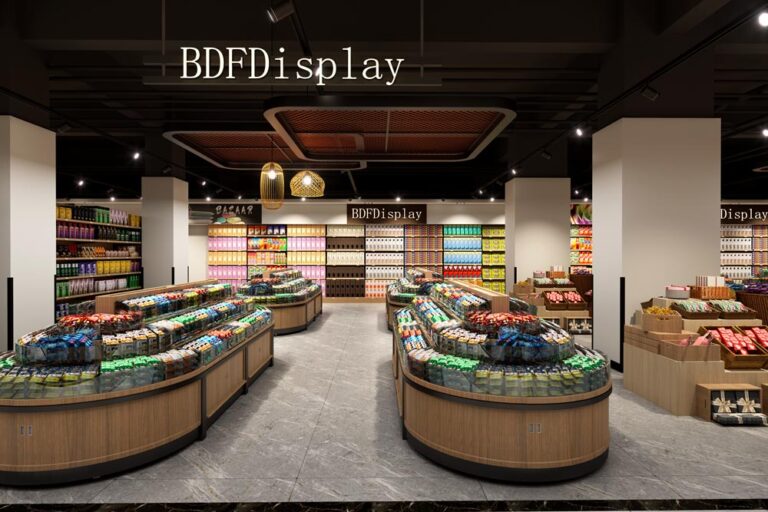
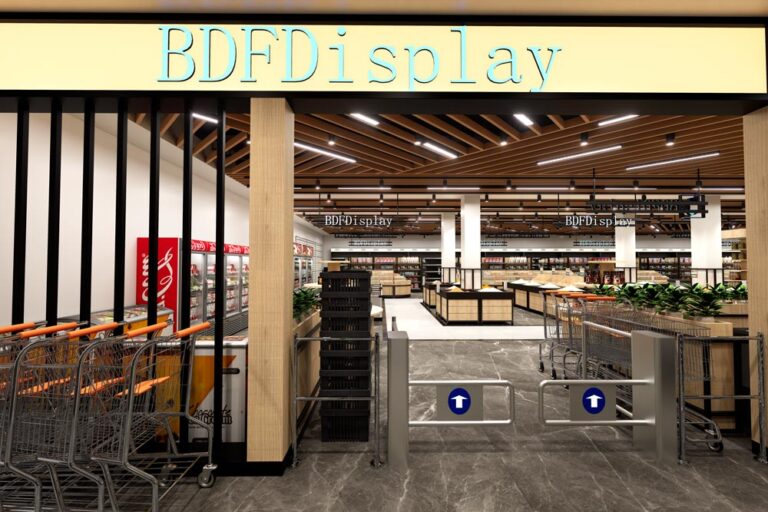
Click image → 360° VR Tour | Supermarket Project

Key Points

  • Before picking display racks first figure out the store layout, product groups and customer flow.
  • Choose a display rack system using the product type display goal, weight limit and how fast product changes.
  • Use one written brief to compare suppliers; do not decide only on price.
  • The procurement check should include design, samples, materials, packaging, quality inspection, delivery needs and installation prep.

1. Start by preparing a project requirements brief for retail display racks

Only when the project needs are clear can suppliers give good solutions. Before looking for display rack suppliers write a document that answers these questions:

  • Are you opening a new store or renovating an existing one?
  • Which products need to be displayed stored, secured or prominently featured?
  • What are the dimensions of the sales area in the store?
  • Where are the entrance, storefront windows, pillars, warehouse doors and checkout area located?
  • Which areas require wall‑mounted displays freestanding displays, service counters or security‑equipped premium display cases?
  • Will the project use off‑the‑shelf display racks, custom display racks or a combination of both?
  • Is it required that this display rack system be easily reconfigured and rearranged in the future?

A simple floor plan is more useful than a list of products. It lets suppliers see how customers move what they can see how tall display racks are and how much space sells.

If you have a floor plan but still choose fixture types BDF Display gives a 3D store design and fixture‑planning service. It is good to start this talk before an order.

2. Match display rack types to product categories and store needs


The most effective retail environments use several fixture categories together. Each category should solve a specific merchandising or operational problem.

Store need

Suitable fixture approach

What to assess

Apparel, accessories, seasonal collections

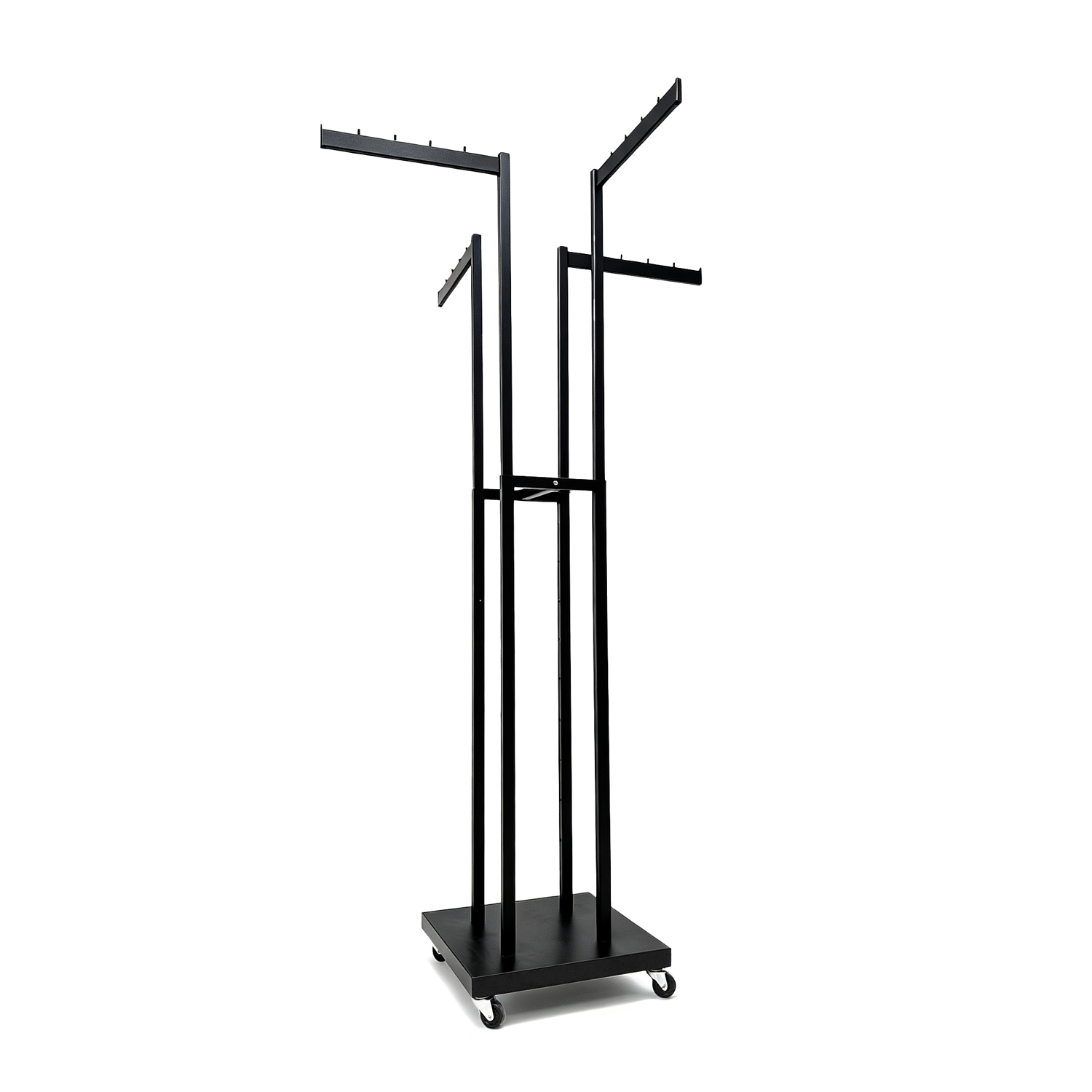
Garment display racks, wall systems, display tables

Hanging capacity, stability, finish, mobility, ability to reset displays

Small packaged products or frequently changing assortments

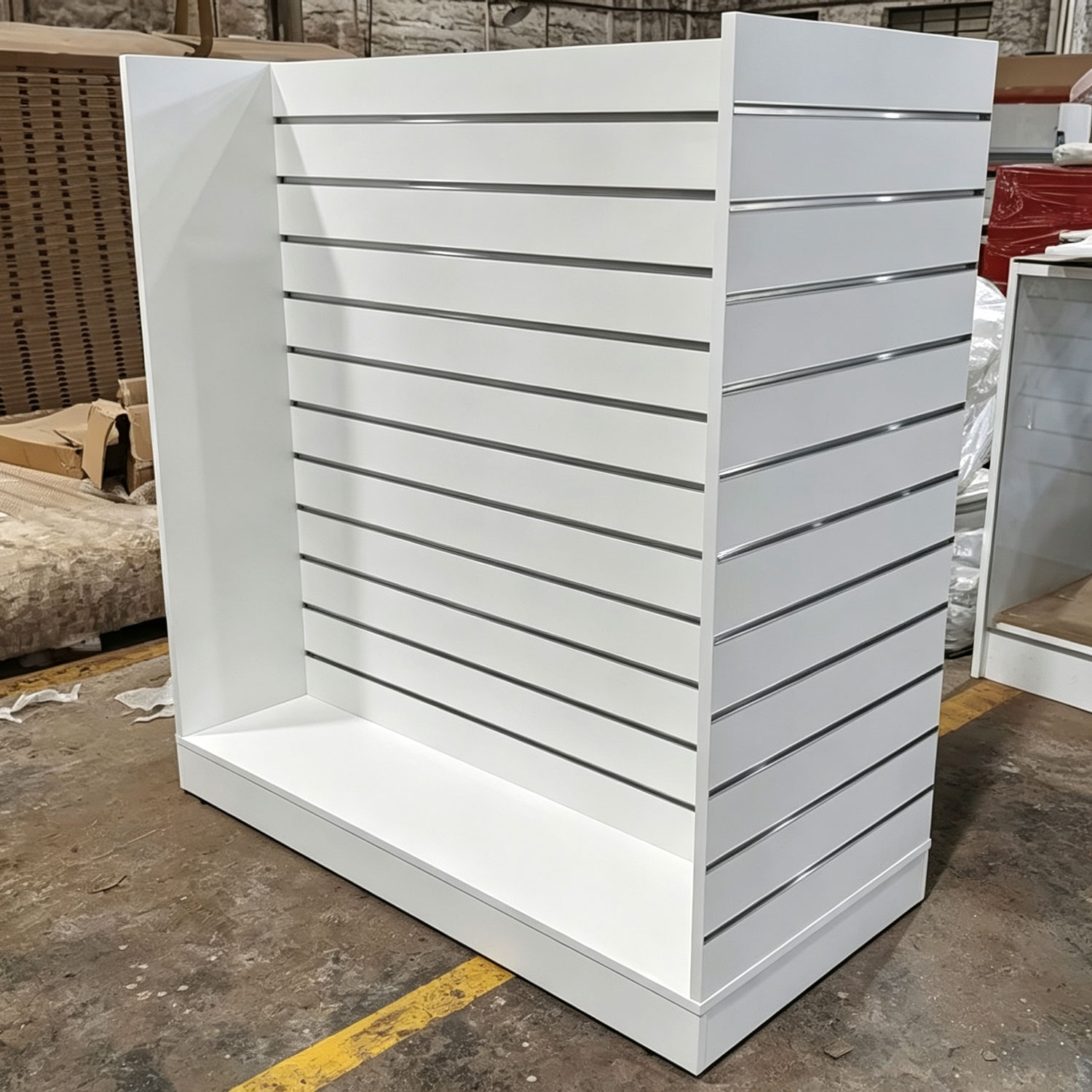
Slatwall systems or gridwall panels and accessories

Accessory compatibility, vertical capacity, flexibility, installation method

Folded merchandise, feature products, promotional displays

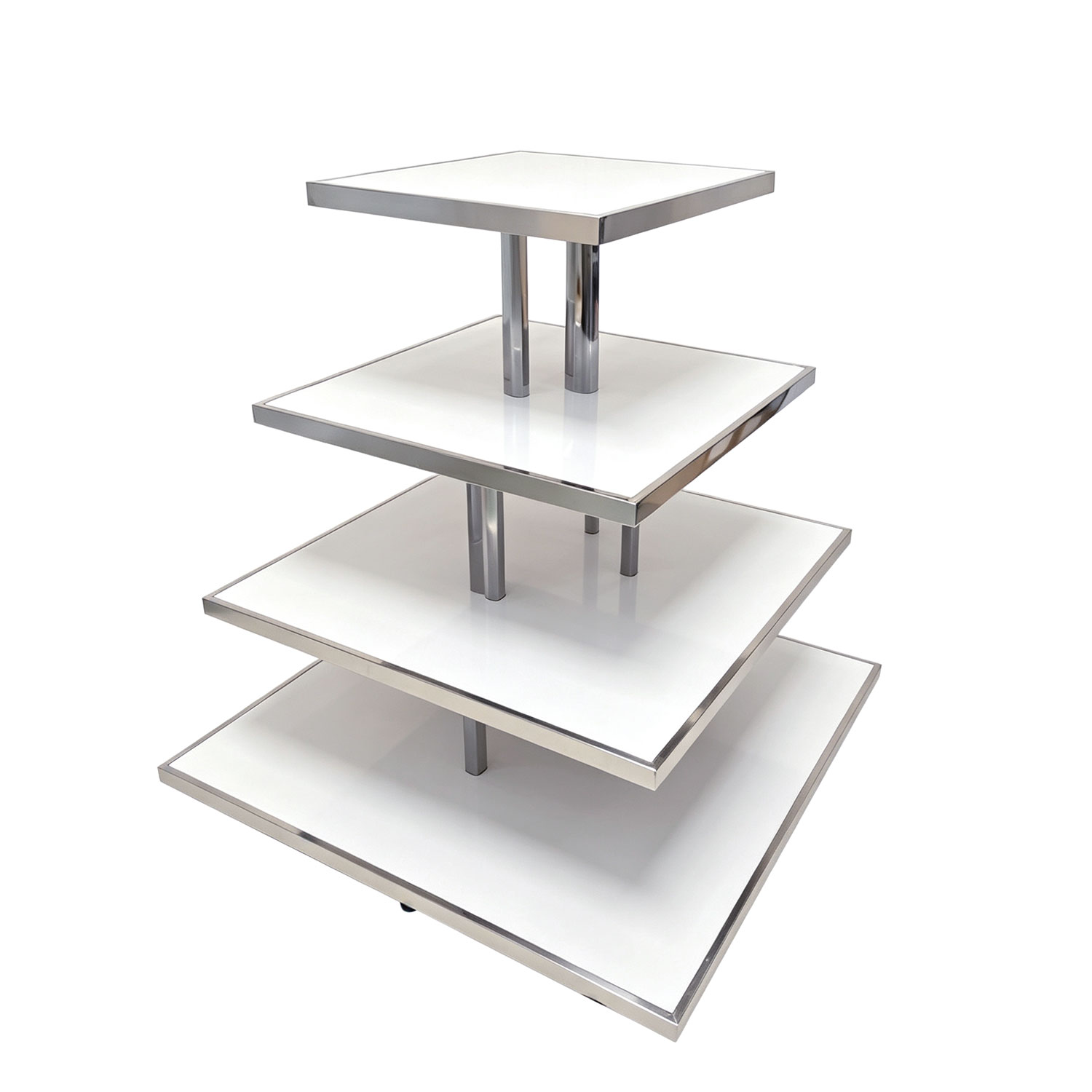
Retail display tables and merchandisers

Footprint, display height, finish, access from multiple sides

Higher-value or protected merchandise

Retail display showcases

Visibility, access control, counter height, material and finish coordination

Shelf-based merchandise and perimeter storage

Retail display shelving

Load requirements, shelf adjustability, bay dimensions, replenishment access

Checkout and impulse-purchase area

Cash wraps and counters

POS equipment space, staff workflow, storage, customer-facing display area

The goal is not to use every type of fixture. It is to create a coordinated system where each piece supports the way customers browse and employees work.

3. Plan the Layout Before Placing an Order

A layout plan must balance how many products can show and how comfortable customers feel. If you buy display racks before planning the floor you often get aisles, blocked views, wasted corners or a checkout area that does not fit real workflows.

When reviewing display fixture layout plans please consider the following factors:

Customer Flow

Identify the featured products customers see first the areas where they should slow down to browse and the path to the checkout counter. Themed display counters, end‑cap displays and wall‑mounted systems must all help this flow of blocking customer traffic.

Product Category Display

Group related product categories together. Set aside plenty of visual display space for key featured products. For example in the apparel section combine wall‑mounted racks, floor‑standing garment racks, mannequins and folding display tables; small accessories fit best on vertical display systems.

Line of Sight and Display Unit Height

Display units must keep the store open and visually free while giving display capacity. Large stores can use central display units; the same fixtures in a small store would make the space feel cramped and oppressive.

Restocking and Day‑to‑Day Operations

Consider if staff restocking, in‑store traffic, inventory access and display maintenance will disturb customers. Layouts that look good in renderings but are hard to implement will cause problems after the store opens.

It is also necessary to verify accessibility standards and building codes for the project’s location. Before the final plan is confirmed, aisle widths, turning spaces, counter heights and emergency exits must all meet regulations.

4. Choose a display rack system that can be adjusted as your store’s business evolves

Retail product categories keep changing. Seasonal displays, the introduction of products and changes in appearance mean you should also focus on flexibility:

Adjustable shelves that fit different package heights and inventory levels;

Slotted and mesh shelving systems: hooks, shelves, storage baskets and price tag holders that can all be reassembled as merchandise changes;

Movable clothing racks and freestanding display stands that support temporary promotions and quick seasonal display changes;

Modular display stands that create visual focal points without structural construction.

Flexibility does not mean all display units must be movable or universal. Fixed counters in core areas, custom woodwork and brand‑specific display fixtures remain choices. The key is to find which areas of the store are most likely to need adjustments after opening.

5. Evaluate Materials, Craftsmanship and Long‑Term Value

The lowest quote does not always mean the total cost over the display rack’s entire life. Retail display racks move often carry merchandise weight get disassembled and reassembled during changes and are visible to customers every day.

When comparing options, ask about:

  • Material type and thickness where relevant
  • Surface finish and how it fits the store environment
  • Expected merchandise weight and intended use
  • Connection points, welds, hardware, and moving parts
  • Replaceable components or compatible accessories
  • How the fixture will be packed and protected during delivery
  • Whether finishes and dimensions can remain consistent in future orders

Heavy‑duty sturdy display racks are not suitable for all areas. Structural solutions should be chosen based on an evaluation of merchandise weight, foot traffic, visual placement and budget. Choose more durable solutions, for high‑value areas; for areas that need frequent reconfiguration choose lightweight and flexible modular systems.

6. Compare Suppliers Using a Standardized Scorecard

A useful supplier comparison should be based on one written brief and one set of questions. If every supplier receives different information, the quotes cannot be compared fairly.

Use the scorecard below for standard fixtures, custom fixtures, or a mixed project.

Evaluation areaQuestions to ask
Product fitDoes the supplier offer the required fixture categories and dimensions?
Design supportCan the team review plans, suggest a fixture mix, or provide 3D planning when needed?
CustomizationWhich dimensions, materials, finishes, branding details, and configurations can be adjusted?
DocumentationAre drawings, dimensions, materials, and finish details clear before production?
Sample processCan material samples, finish samples, or a prototype be reviewed for custom work?
Quality processHow are appearance, dimensions, assembly, and packing checked before shipment?
Quotation clarityDoes the quote clearly state what is included, excluded, and still to be confirmed?
Delivery planningCan the supplier confirm packing, destination requirements, unloading constraints, and project sequencing?
Future continuityCan the system be expanded or reordered as the store or chain grows?

This process makes it easier to separate a supplier that simply sells products from one that can support a complete retail fixture project.

7. Consider the Total Project Cost—Don’t Just Look at the Unit Price of Display Stands

The unit price is only one part of the decision. A realistic fixture budget may also include:

  • Layout or design work
  • Custom engineering or finish development
  • Samples or prototypes
  • Packaging and freight
  • Delivery constraints at the destination
  • Installation labor
  • Replacement parts or future expansion
  • Time lost when dimensions, finishes, or delivery details are confirmed too late

A better question than “Which supplier is cheapest?” is: “Which proposal gives us the clearest, most workable fixture plan for this project?”

The answer should account for product quality, project risk, communication, and how well the proposed system supports the store after opening.

8. When Should You Choose Custom Retail Display Racks?

For display fixtures established standard sizes and simple store installations off‑the‑shelf products are typically the better choice. However custom display racks offer value when a project involves any of the following requirements:

  • A specific brand finish, color, or material combination
  • Non-standard dimensions for a difficult store footprint
  • Integrated lighting, signage, storage, or security features
  • A consistent store environment across multiple locations
  • A distinctive display concept for premium merchandise
  • A combination of standard product categories and custom display elements

Many projects adopt hybrid solutions. For example: standard hangers, mesh panels and shelving are used in store areas while custom counters, wall‑mounted units and themed display stands are used in high‑visibility areas.

BDF Display offers both standardized retail display racks and factory‑direct custom solutions supporting OEM and ODM manufacturing services. The collaboration begins with sharing store floor plans, product requirements, reference renderings and estimated purchase quantities after which BDF Display determines which items will use models and which will be custom‑made.

9. What Information Is Needed When Requesting a Quote for Display Racks

Detailed inquiry information helps suppliers provide tailored solutions. Before requesting a quote please prepare:

  1. A floor plan with dimensions marked
  1. For renovation projects: actual photos of the existing space
  1. Types of merchandise to be displayed
  1. Required display rack. Estimated quantities
  1. Reference. Preferred finish styles
  1. Required logos, signage, lighting or other brand decorative elements
  1. Target country/city
  1. Planned opening. Project timeline
  1. Type of request: products, custom solutions or a complete display layout plan

For new store projects there is no need to determine the detailed specifications of every display unit in advance. Clearly describing the store type, product categories and layout objectives is sufficient to initiate communication.

Plan Your Retail Fixture Project With BDF Display

BDF Display supports retail fixture projects with standard display systems, custom fixture options, factory-direct manufacturing, and free 3D store-layout planning.

You can begin by exploring:

Have a plan, product list, or reference image already? Request a quote from BDF Display and include your floor plan and project requirements.

Frequently Asked Questions

What is the first step when buying retail store fixtures?

Start with the store plan and product mix. Measure the usable sales area, identify fixed features, decide what needs to be displayed or secured, and outline the customer route through the store. This makes fixture selection much more accurate.

Should I choose standard or custom retail fixtures?

Choose standard fixtures for common, repeatable needs and custom fixtures when the project requires specific dimensions, finishes, branding, integrated functions, or a coordinated multi-store environment. Many stores use a mix of both.

What is BDF Display’s minimum order quantity?

BDF Display’s published FAQ lists a standard MOQ of five pieces per item. For custom designs, quantity requirements should be discussed according to the specific project. See the full BDF Display FAQ.

Can BDF Display help if I only have a floor plan and an idea?

Yes. BDF Display’s free 3D store design service is intended to help turn a floor plan, merchandise requirements, and visual direction into a workable fixture layout.

How should I compare quotes from different retail fixture suppliers?

Give each supplier the same brief, then compare the complete proposal: fixture specifications, materials, customization, samples, quality process, packing, delivery scope, and what is excluded. Comparing only the headline price can hide important differences.

Contact Us

Supermarket Layout Solutions

Clothing Store Fixtures

Children's clothing store

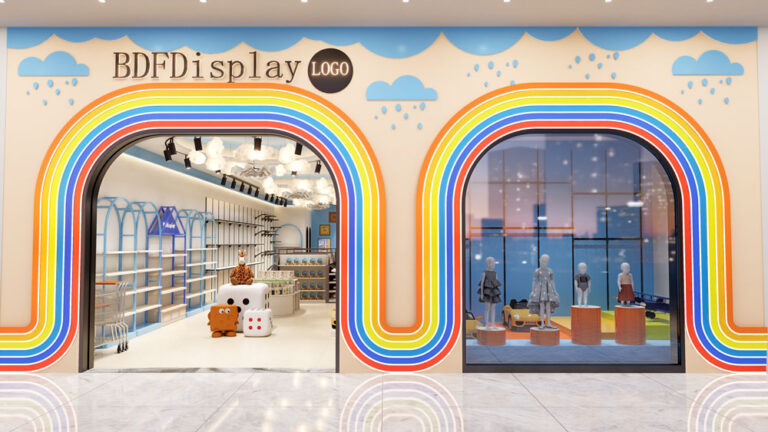
Mom & baby store front facade with rainbow arch entrance design

Mom & Baby Store Design

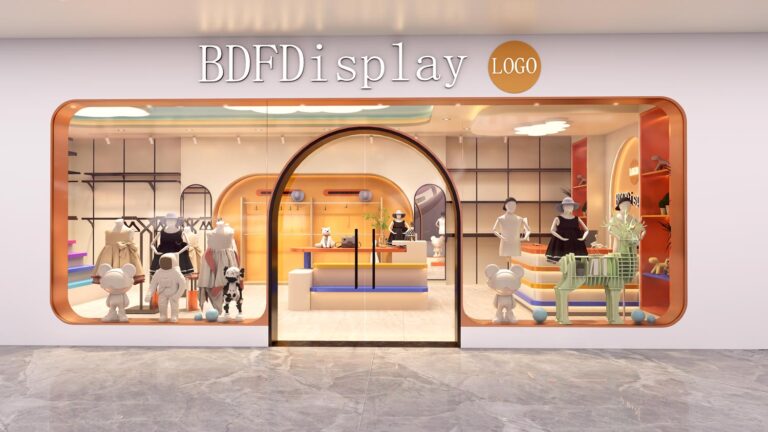
Modern kids clothing store interior design project — a full-store renovation for a children’s fashion brand expanding to a 1,000 sq ft retail location. Project

Read More »

Jewelry Shop Layout Solutions

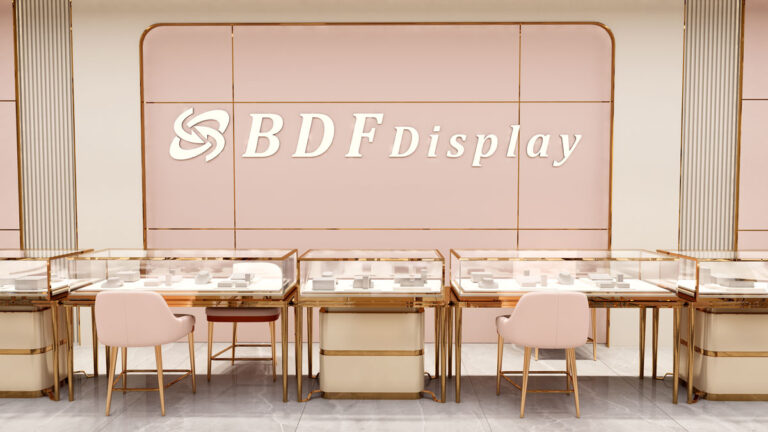
Modern jewelry store service and checkout counter design

Luxury Jewelry Store Design

We provide free 3D luxury jewelry store design service for high-end jewellery boutiques, fashion accessory shops and luxury retail stores. Our professional design team focuses

Read More »

Send Us Your Requirements

Fill out the form below and we’ll get back to you within 24 hours with a detailed quote or proposal.

Prefer WhatsApp?

Scan to chat with BDF Display on WhatsApp for a free custom quote Call

+8613710863392

sales@biaodefu.net

Scan the QR code or click the button below to chat with us directly on WhatsApp. Faster response, real-time communication.

Perfect for:

  • Quick questions and instant answers
  • Sharing photos and references
  • Voice messages and calls
  • Real-time project updates