🌐 China Factory × Global Service | Custom Display Cabinets & Store Furniture for Retail Brands

Phone

13838998898

E-mail

1212@qq.com

Whatsapp

13838998898

Retail Clothes Racks: Essential Heavy-Duty Clothing Racks for Boutiques and Clothing Stores

Table of Contents

Creating a good retail space starts with one of the most important but often overlooked items: the clothing rack. Whether you have a small boutique, a big clothing store, or a showroom, the racks you pick affect how customers move around, how your store looks, how easy it is to reach products, how much you can store, and how long your display system will last.

Heavy-duty clothing racks are more than just places to hang clothes. They’re the foundation of your store’s display and style.

This complete guide will show you the main types of racks, how to choose the right ones, how to use them to increase sales, and how strong, professional racks help you create a more successful and profitable store.

1. Why Retail Clothes Racks Matter More Than You Think

How clothing racks shape store function, aesthetics, and customer experience

Choosing the right heavy-duty clothing racks also means your displays stay strong and steady, even during busy shopping hours. Sturdy racks don’t bend or break under the weight of bulk inventory, so your store always looks neat and professional.

By using high-quality racks, you create a clean, organized layout that makes customers feel comfortable and confident. When products are easy to see and reach, shoppers stay longer, explore more items, and are far more likely to buy.

In short, reliable clothing racks aren’t just basic equipment—they’re a simple, powerful way to boost your store’s image and increase your daily sales.

A high-quality rack does all of the following:

  • Supports a wide variety of garments without bending
  • Creates a clean, organized look
  • Defines the store’s tone and visual identity
  • Displays merchandise by category, size, color, or theme
  • Enables efficient use of retail floor space
  • Helps staff work faster with easier stocking and restocking

In essence, racks are long-term investments. A single well-engineered fixture may last for years, withstand heavy volumes, and serve as a core part of your merchandising strategy across seasons and collections.

2. The Core Types of Retail Clothing Racks

Understanding the differences so you pick the right one for your store

Retail clothes racks come in a broad range of designs, each serving a different purpose. From heavy-duty stockroom solutions to elegant boutique fixtures, choosing correctly ensures both functionality and visual cohesion.

Single-Rail Racks

Simple, versatile, and perfect for limited spaces

Single-rail racks are classic straight-bar structures ideal for small stores, curated outfits, or displaying capsule collections. Their simplicity makes them easy to move, style, and integrate into almost any floor plan.

Benefits include:

  • Clean lines that keep attention on the garments
  • Easy rearranging for seasonal merchandising
  • Efficient use of vertical space

Double-Rail (H-Frame) Racks

Maximize hanging space without taking up more room

Double-rail racks offer two parallel bars that double capacity in the same footprint. They are practical for basics such as jeans, shirts, or grouped sizes, and frequently appear in clearance sections or busy stockrooms.

Round and Circular Racks

Accessible browsing with high-volume capacity

Circular racks allow customers to walk around the fixture, viewing items from multiple angles. This makes them useful in central floor positions or for displaying large amounts of garments like jackets or dresses.

2-Way and 4-Way Racks

Create structured, curated visual displays

These racks feature arms extending from a central pole, enabling dynamic multi-directional displays. They are excellent for:

  • Featuring new arrivals
  • Displaying complete outfits
  • Highlighting key color stories

Adjustable arm heights add visual rhythm and encourage customers to browse thoroughly.

Z-Racks

The heavy-duty workhorse of retail storage and mobility

Z-racks are beloved in both back-of-house and sales floor operations for good reason. Their Z-shaped base enables nesting, while heavy-duty steel construction and commercial casters support large loads and daily movement.

They excel in:

  • Stockrooms
  • Fashion shows
  • Temporary pop-ups
  • Sale events

Durable, stable, and easy to roll, Z-racks remain one of the most essential heavy-duty rack designs in retail.

Industrial Style & Pipeline Racks

Durable, modern aesthetics for contemporary stores

Industrial and pipeline racks combine robust metal framing with a raw, modern edge. They support heavy loads and match minimalist, urban, or boutique interiors.

Wall-Mounted Racks

Save floor space and elevate product visibility

Wall systems draw attention upward and increase open floor space. They work especially well in small boutiques and create a clean, organized shopping environment.

Collapsible and Folding Racks

Portable, space-efficient options for dynamic merchandising

These lightweight yet sturdy racks are ideal for:

  • Pop-ups
  • Seasonal events
  • Rolling storage
  • Flexible reconfigurations

Easy to assemble, disassemble, and transport, they offer strong convenience for retailers on the move.

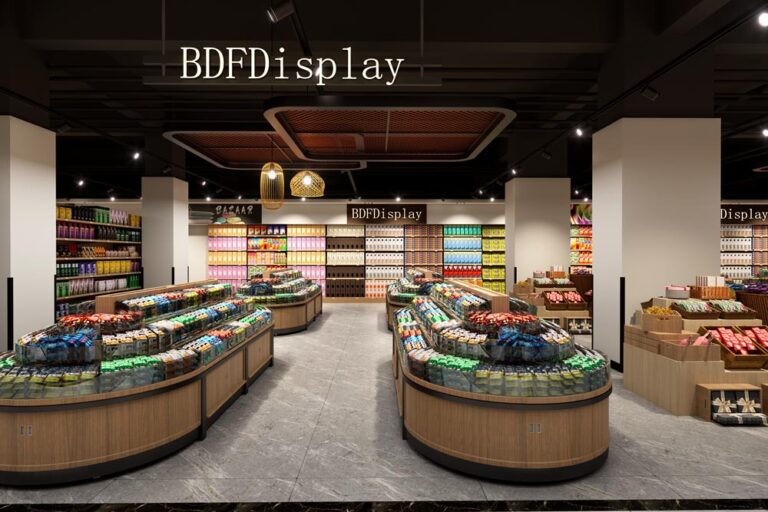
3. Heavy-Duty Clothing Racks: What Makes Them Essential?

Why weight capacity and durability matter in real retail settings

Retail environments place intense demands on fixtures. Heavy garments, frequent customer handling, restocking, and constant rearrangement require racks built for long-term performance. Heavy-duty racks are engineered to support substantial weight without warping, bending, or degrading.

Key characteristics include:

  • Thick-gauge steel or reinforced metals
  • Welded joints and stable bases
  • High load-bearing capacity
  • Smooth commercial casters
  • Stable construction even when fully loaded

Whether for winter coats, denim, formalwear, or large inventories, heavy-duty racks ensure reliability and safety in busy stores.

4. Choosing the Right Rack for Your Store

A clear framework for selecting fixtures that truly fit your needs

With so many options available, choosing the best rack requires evaluating your store’s unique needs.

Assess Floor Space and Layout

Your fixtures must support—not disrupt—the customer journey

Measure available floor areas, anticipate customer flow, and identify zones for new arrivals, clearance items, or themed collections. Racks should enhance rather than interrupt movement.

Evaluate Material and Quality

Durability directly affects long-term value

Heavy-duty steel stands out for longevity in commercial settings. However, hybrid racks with wood and metal provide stylistic appeal for boutiques seeking a warmer ambiance.

Determine Required Hanging Capacity

Avoid overloading light racks with heavy garments

Plan based on the volume and weight of what you sell. For coats, denim, or long dresses, choose reinforced or double-bar racks.

Look for Adjustability

One fixture, multiple merchandising scenarios

Height-adjustable bars and modular add-ons allow a single rack to serve multiple categories across seasons.

Decide Whether You Need Mobility

Casters transform your layout flexibility

Mobile racks support:

  • Daily cleaning
  • Seasonal resets
  • Events
  • On-floor restocking

Match the Aesthetic of Your Brand

Your fixtures must visually support your merchandise

Choose finishes such as matte black, chrome, industrial pipe metal, or wood accents to maintain visual consistency.

Check Weight Capacity

A safety and longevity essential

Always confirm load-bearing limits to prevent bending, tipping, or damage.

5. Clothes Rack Accessories Every Retailer Should Use

Small add-ons that dramatically improve merchandising

The right accessories elevate both organization and customer clarity.

Ticket Holders and Frames

Clear pricing and labeling enhance decision-making

Clip-on, adhesive, magnetic, and frame-style ticket holders keep labels visible, organized, and durable.

Ticket Stems and Bases

Professional signage that stays stable and readable

Adjustable stems allow price or promotional info to stay at optimal eye level.

Clothes Hangers

The “micro-fixture” that shapes your visual presentation

A high-quality hanger maintains garment shape, improves color blocking, and supports the overall design language of your store.

6. Organizing and Displaying Apparel on Racks

Layout and presentation techniques drawn directly from retail best practices

Effective organization enhances navigation and improves visual impact.

Key techniques include:

  • Categorize clothing by gender, style, size, or color
  • Use racks with shelves or hooks to display bags, scarves, or hats
  • Vary rack heights and arrangements to create rhythm
  • Display complementary items together to encourage add-on purchases

These merchandising choices improve clarity and make the store feel more polished and thoughtful.

7. How to Arrange Racks for More Sales

Floor plan strategy that increases browsing time and product exposure

Clothing racks influence not just organization but also how customers move and what they notice.

Create Eye-Catching Visual Displays

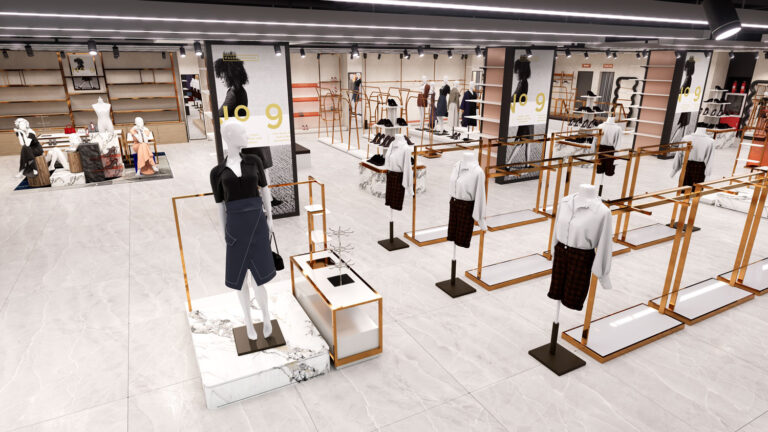
Round racks placed centrally or multi-arm racks with coordinated outfits build strong visual anchors.

Mix Different Rack Types

A blend of straight, round, 4-way, and wall-mounted racks creates visual dynamism and easy categorization.

Improve Customer Flow

Wide aisles, thoughtful spacing, and movable racks prevent bottlenecks and encourage deeper browsing.

Design for Small or Unique Spaces

Use wall-mounted systems for narrow alcoves, or Z-racks for compact stockrooms and flexible layouts.

Pop-Ups, Sidewalk Sales, and Events

Lightweight folding racks and heavy-duty rolling racks allow fast setup and teardown.

8. Maintaining and Cleaning Your Racks

A simple routine that extends rack life and protects your investment

High-volume usage makes regular maintenance essential.

You should:

  • Inspect racks for loose screws or wear
  • Clean surfaces regularly
  • Check casters for debris
  • Rotate inventory seasonally and reset displays
  • Replace heavily damaged racks promptly

A clean, stable rack communicates professionalism and product quality.

9. Common Mistakes to Avoid When Buying Clothing Racks

Lessons that save money, time, and frustration

Avoid:

  • Ignoring weight limits
  • Choosing style over structural integrity
  • Overcrowding floor space
  • Underestimating maintenance needs
  • Buying cheap racks that require frequent replacement

Choosing well upfront always pays off.

10. The Business Value of the Right Clothing Rack

Why fixtures influence sales, branding, and store efficiency

Clothing racks directly support your business goals by:

  • Increasing product visibility
  • Making browsing intuitive
  • Supporting brand cohesion
  • Providing durable long-term infrastructure
  • Enhancing shopping comfort
  • Improving inventory organization

In a competitive retail world, these advantages translate into stronger sales and a more memorable shopping experience.

Conclusion: Heavy-Duty Clothing Racks Are the Backbone of Successful Apparel Merchandising

Investing in heavy-duty clothing racks also means less maintenance and fewer replacements over time. These sturdy fixtures can handle heavy inventory day in and day out without bending, wobbling, or looking worn out.

They help you make the most of every inch of your store, whether you’re arranging seasonal collections, promoting bestsellers, or keeping backstock organized. With the right racks, you can easily update your displays to match trends, sales, or new arrivals.

Best of all, a well-structured display built on strong, reliable racks creates a positive first impression for customers. It makes your store feel polished, trustworthy, and easy to shop in—all of which lead to happier customers and better sales.

Contact Us