🌐 China Factory × Global Service | Custom Display Cabinets & Store Furniture for Retail Brands

Phone

13838998898

E-mail

1212@qq.com

Whatsapp

13838998898

How to Choose Retail Display Fixtures: Materials, Durability & Store Design Tips

Table of Contents

Introduction

Retail display fixtures are the foundation of every store. They support products, guide customer flow, and define your shop’s visual identity. Choosing the right fixtures helps improve sales, upgrade the shopping experience, and reduce long-term operational costs.

This guide explains how to select durable, flexible, and visually appealing fixtures by understanding materials, load capacity, store needs, and merchandising strategy.

Various retail display fixtures made of metal and wood to compare durability and style.

1. Understand Your Store’s Functional Needs

1.1 Identify Your Product Types

Different stores need different fixture strengths and layouts.

Common Retail Categories and Their Fixture Needs

  • Supermarkets → Heavy-duty gondola shelving, wire racks, refrigerated units

  • Fashion stores → Clothing racks, mannequins, wall face-outs

  • Beauty stores → Glass cases, LED-lit shelves

  • Electronics → Lockable displays, anti-theft cases

  • Convenience stores → Multi-tier gondolas, countertop fixtures

1.2 Consider Customer Shopping Behavior

Questions to Evaluate

  • Do customers browse slowly or grab items quickly?

  • Do shoppers need to touch, test, or compare products?

  • Are purchases typically single items or multi-item baskets?

Understanding customer patterns helps determine needed fixture height, shelf spacing, and accessibility.

Heavy-duty gondola shelving used in supermarkets to support large product loads.

2. Select the Right Fixture Materials

2.1 Metal Fixtures

Pros

  • Strong and highly durable

  • High load capacity

  • Easy to clean

  • Long lifespan

Cons

  • Looks industrial if not styled well

  • Heavy to move

Best for: supermarkets, convenience stores, hardware, pet supplies.

2.2 Wood Fixtures (Solid Wood / MDF)

Pros

  • Warm and premium appearance

  • Great for brand storytelling

  • Easy to customize

Cons

  • Less weight capacity

  • Wears faster than metal

  • Sensitive to moisture

Best for: fashion, lifestyle, home décor, boutique retail.

2.3 Glass Fixtures

Pros

  • Premium, high-end look

  • Ideal for small or luxury items

  • Works well with lighting

Cons

  • Fragile

  • Requires constant cleaning

Best for: beauty, jewelry, tech accessories.

2.4 Acrylic & Plastic Fixtures

Pros

  • Lightweight

  • Low cost

  • Easy to shape

Cons

  • Scratches easily

  • Shorter lifespan

Best for: POP displays, short-term promotions.

3. Choose Modular and Adjustable Fixtures

3.1 Benefits of Modular Design

Modular fixtures allow quick layout changes without construction.

Advantages

  • Adjustable shelf heights

  • Easy reconfiguration

  • Supports seasonal resets

  • Lower long-term renovation costs

  • Scalable for multi-store rollouts

3.2 Common Modular Fixture Types

Examples

  • Gondola shelves with adjustable brackets

  • Slatwall panels

  • Pegboard systems

  • Clothing racks with adjustable arms

  • Nesting or stackable display tables

Modular retail fixtures with adjustable shelving for flexible store layout changes.

4. Match Fixtures with Your Store’s Design Style

4.1 Use Fixtures as Brand Identity Tools

Fixtures should visually match the store’s theme.

Examples

  • Modern brands → Matte black metal, clean lines

  • Eco-friendly stores → Wooden shelves, natural finishes

  • Luxury retail → Glass, chrome, LED lighting

  • Youth-focused stores → Bold colors, mixed textures

4.2 Keep Visual Consistency Across the Store

Key Elements

  • Color palette

  • Material selection

  • Fixture shape and height

  • Lighting alignment

Consistency helps build a strong brand presence.

5. Prioritize Load Capacity and Safety

5.1 Evaluate Weight Requirements

Fixtures must safely support daily product loads.

Look for

  • Reinforced steel construction

  • Thick shelving decks

  • Strong brackets

  • High weight rating

5.2 Add Safety Enhancements

Essential Safety Features

  • Anti-tip bases

  • Wall anchors for tall units

  • Rounded corners

  • Stable feet for mobile fixtures

  • Non-slip support pads

Safety protects customers, products, and employees.

A glass retail display case showcasing premium beauty or jewelry products.

6. Improve Product Visibility with Proper Fixtures

6.1 Support Open Sightlines

Low or open fixtures make the store feel larger and improve navigation.

6.2 Use Lighting-Friendly Materials

Tips

  • Matte finishes reduce glare

  • Glass enhances lighting spread

  • LED-lit shelves improve visibility

6.3 Choose Fixtures Designed for Display Impact

Features of Visibility-Friendly Fixtures

  • Clean lines

  • Minimal visual noise

  • Wide product-facing area

  • Integrated lighting options

When fixtures highlight products, customers engage more.

7. Consider Staff Workflow and Restocking Efficiency

7.1 Make Restocking Easier

Useful Fixture Features

  • Accessible shelf heights

  • Wide openings for product restock

  • Under-shelf storage

  • Easy-to-wipe surfaces

7.2 Improve Daily Operations

Operational Benefits

  • Faster resets

  • Quicker inventory checks

  • Reduced labor time

  • More efficient planogram execution

Fixtures should support—not slow down—your team.

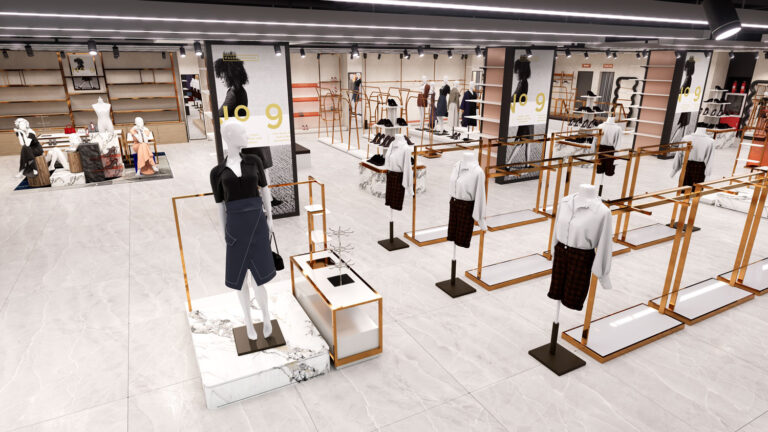
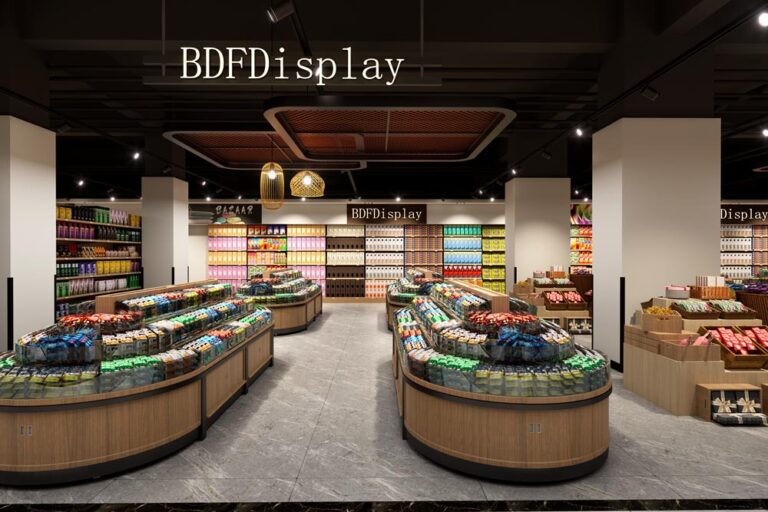
A retail store layout showing fixture placement that guides customer traffic flow.

8. Focus on Longevity and Cost-Effectiveness

8.1 Why Cheap Fixtures Cost More Later

Low-cost fixtures often bend, break, or wear out quickly.

8.2 Signs of Long-Lasting Fixtures

Criteria

  • Powder-coated finish

  • Reinforced joints

  • Quality welds

  • Thick metal and durable parts

  • Universal accessory compatibility

8.3 Multi-Store Rollout Considerations

Benefits of Standardized Fixtures

  • Lower procurement cost

  • Easier training

  • Consistent brand identity

  • Faster new-store setup

A retail fixture with a sturdy base designed for safety and high load capacity.

9. Plan Fixture Layout for Better Customer Flow

9.1 Fixtures Shape Movement

Proper fixture placement directs shoppers toward high-interest products.

9.2 Effective Fixture Layout Strategies

Tactics

  • Place power walls at the entrance

  • Use short fixtures in central aisles

  • Position tall fixtures along perimeter walls

  • Design wide aisles for high-traffic areas

  • Use endcaps for promotions and new arrivals

9.3 Support Natural Shopping Behavior

A well-planned layout increases dwell time and basket size.

Conclusion

Choosing the right retail display fixtures directly impacts store performance. Durable materials, modular design, strong safety features, and good visual presentation all contribute to a better shopping experience and more efficient operations.

High-quality fixtures improve product visibility, support your brand identity, and reduce long-term costs. Whether you’re designing a new store or upgrading an existing one, selecting the right fixtures is a smart investment that pays off for years.

Contact Us