🌐 China Factory × Global Service | Custom Display Cabinets & Store Furniture for Retail Brands

Phone

86-13710863392

E-mail

sales@biaodefu.net

Whatsapp

86-13710863392

How to Open a Retail Supermarket in 2026 | Complete Business & Store Design Guide

Table of Contents

Introduction

Running a supermarket is super reliable. Shopping habits keep changing, yet we all need groceries and household basics.

Everyone needs them regularly, so sales stay consistent.. Still, you cannot run a successful supermarket just by renting a space and putting goods on shelves.To earn well, know the local market. Plan every detail. Decorate your shop, put goods in order and keep day-to-day work running well.

This post will show you all the key steps to open a supermarket. It also explains how your shop layout and shelf choices change shoppers’ experience, daily work efficiency and long-term earnings.

Putting plans into action, planning every detail and making steady improvements are all very important. Shop owners need to check business data on a regular basis. You should change your product types to match what local people need, and keep making the shopping experience better for customers.

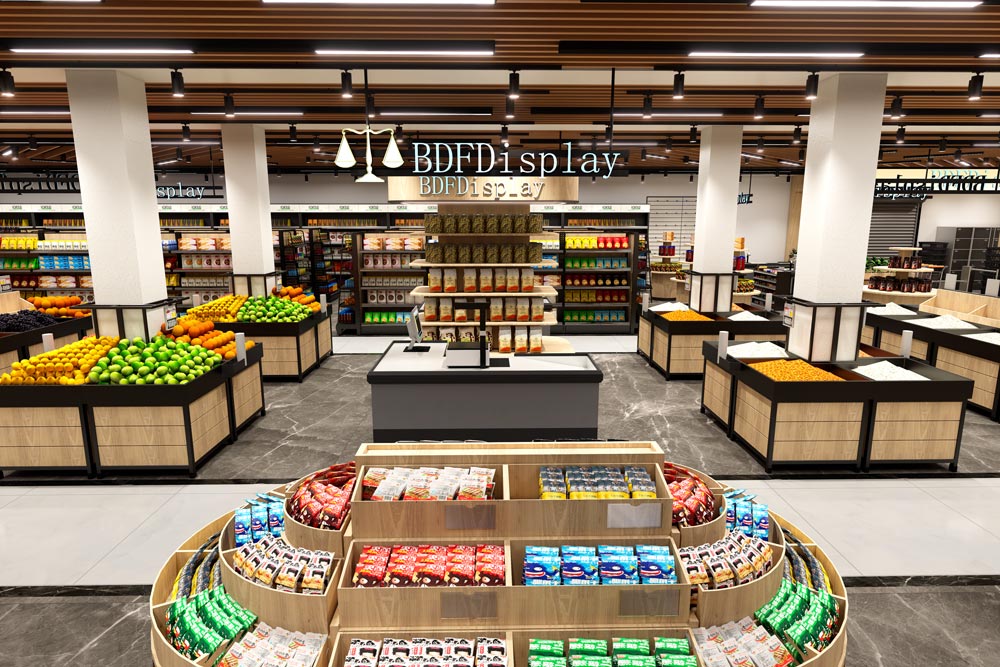
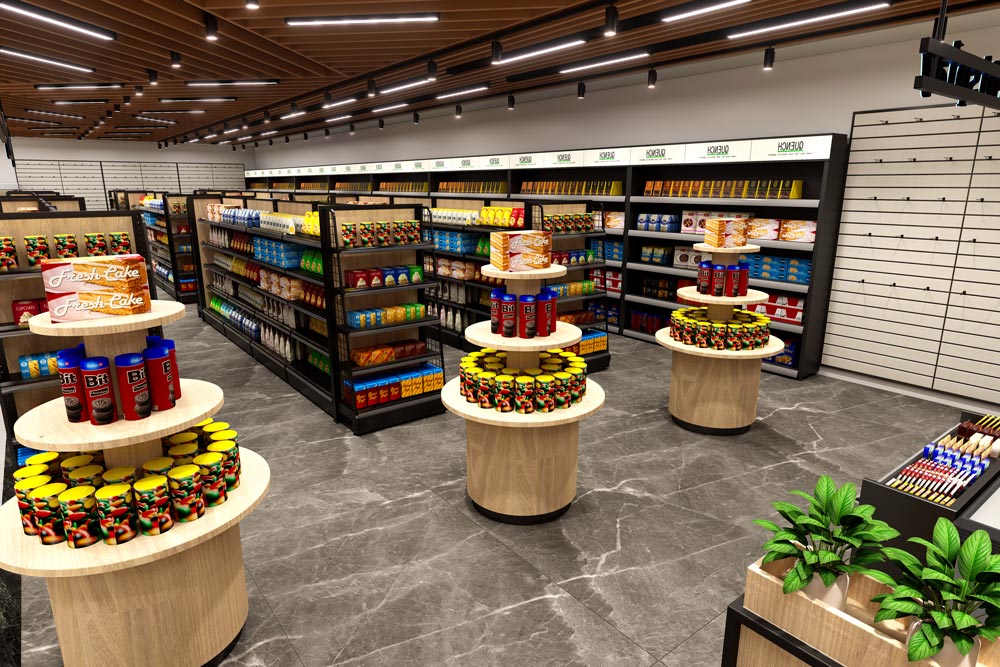
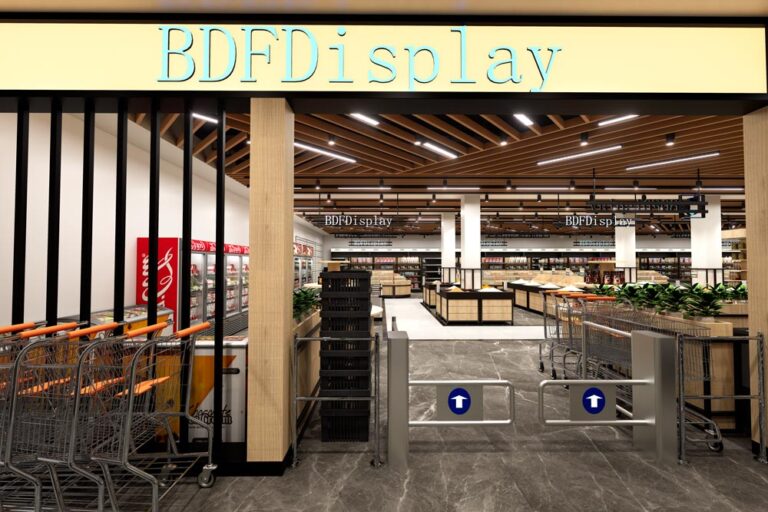
Modern supermarket layout design for customer flow
Click image → 360° VR Tour | Supermarket Project

Is Opening a Retail Supermarket Profitable?

Supermarkets don’t earn much from each product. You have to run the shop efficiently to do well. When managed properly, goods sell fast and customers keep returning, bringing in steady money.

Your profit is tied to many factors: shop location, local buyers, suppliers, product arrangement, staff work and store setup.

New sellers usually only focus on total sales. Top owners watch different key details. These include sales per area, stock speed, each customer’s spending and loyal shoppers. Even small fixes here can make your profit grow over time.

Profit margins are generally low for supermarkets. This makes efficient operations extremely important. A well-run store moves stock fast and keeps loyal customers, earning steady income.

Your profits are affected by many things: where your store is, your customer groups, supplier partnerships, product arrangement, staff work and store design.

A lot of new owners only aim for higher sales. Those who run stores successfully track four key points. These are sales per square foot, stock turnover rate, average spending per customer and customer loyalty. Even small tweaks in these spots can boost your profits big time down the road.

Even small tweaks in these spots can boost your profits big time down the road. You’ve got to put your plans into action, take care of every detail and keep tweaking things as you run the shop. Keep an eye on how business is going regularly, adjust your stock to match local tastes, and keep making the shopping experience better for everyone.

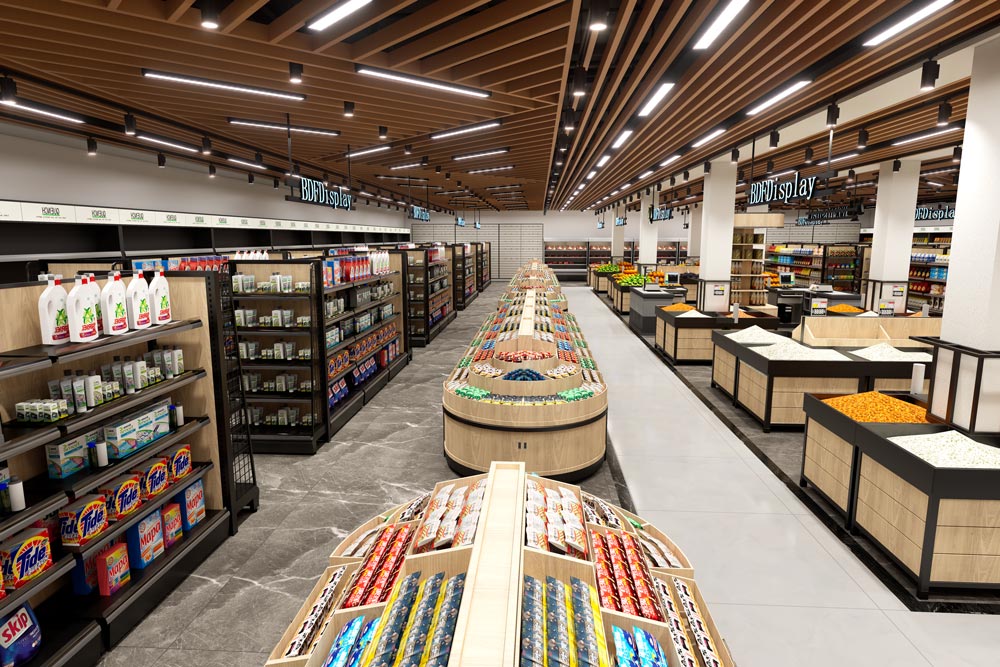
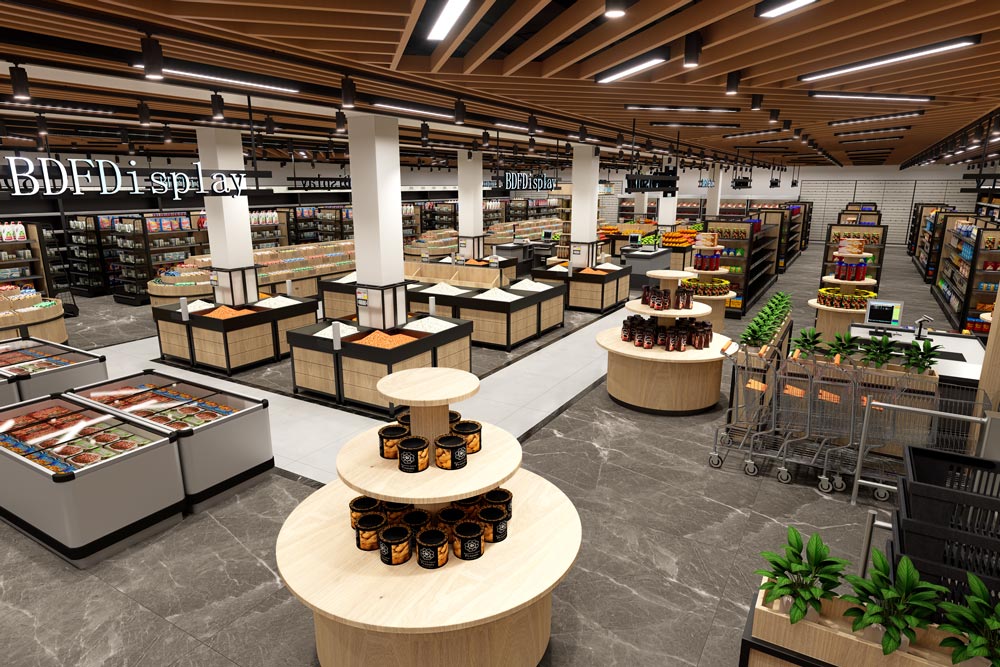
Visual merchandising ideas for supermarkets
Click image → 360° VR Tour | Supermarket Project

Step 1: Define Your Supermarket Concept

Don’t jump straight into your business plan. First, get clear on what kind of food store you’re building. You can go with a standalone grocery spot, a community neighborhood shop, a cultural market, a discount outlet, an organic store or a specialty food shop.

Your store’s concept guides every choice you make — who you serve, what you sell, how you market, how much space you need and what shelves and fixtures to buy.

Cultural food stores tend to thrive out there. These stores serve a specific group of local folks, so they barely run into competition from those big chain supermarkets. If you run an organic or specialty shop and stick to high-quality goods, you’ll see better profits too.

If you want your business to last for years, you’ve got to put your plans into action, plan every little detail and keep making small changes along the way. Keep an eye on how your shop runs day in and day out, swap out your goods to match what local people love, and do all you can to make sure every shopper has a great experience.

Step 2: Conduct Market Research

Study the people living nearby, their earnings, usual shopping ways, foot traffic and other local shops. Go and check out rival stores. Look at their prices, number of customers, product displays, checkout speed, store tidiness and goods range.

Take a look at what’s not easy to buy in this area. Most local people can’t get their hands on enough fresh fruits, veggies, imported foods, ready meals, organic goods and specialty drinks. When you spot these chances, your shop can stand out from others.

It is vital to carry out plans well, work out every detail and keep improving your business. Shop owners need to check business data often. Change the goods you sell to fit local needs, and keep making shopping better for customers.

How to open a retail supermarket successfully in the United States
Click image → 360° VR Tour | Supermarket Project

Step 3: Create a Business Plan

Your business plan needs to cover all key parts: a quick opening summary, basic store info, market research, daily work plans, staff arrangements, supplier plans, marketing ideas and financial forecasts.

People who invest or lend money will always ask for a full plan before they agree to fund your shop. Make sure you write down real opening costs, expected sales, daily running expenses and when you’ll start breaking even. Generally speaking, it’s smarter to use practical numbers instead of getting too carried away with optimistic guesses.

Following your plans closely, taking care of every small detail and making small adjustments over time are all things you can’t skip.Store owners need to check business data on a regular basis. Change up your product lines to match local needs, and keep making the shopping experience better for customers.

Step 4: Estimate Startup Costs

How much you spend to open the shop depends a lot on its location and size. Common costs include rent deposits, shop repairs, shelves, display stands, fridges, checkout desks, goods, payment systems, official papers, insurance and advertising.

Many new shop owners don’t budget enough for shelves and equipment. Buy good equipment at the beginning. You won’t waste money replacing it later. Do what you planned, check every detail, and keep changing things to fit your store’s needs.

See your plans through, take care of every little detail, and keep adjusting things as you run the shop. Check your store’s business data often. Adjust the goods you sell to match local needs, and keep making the shopping experience better.

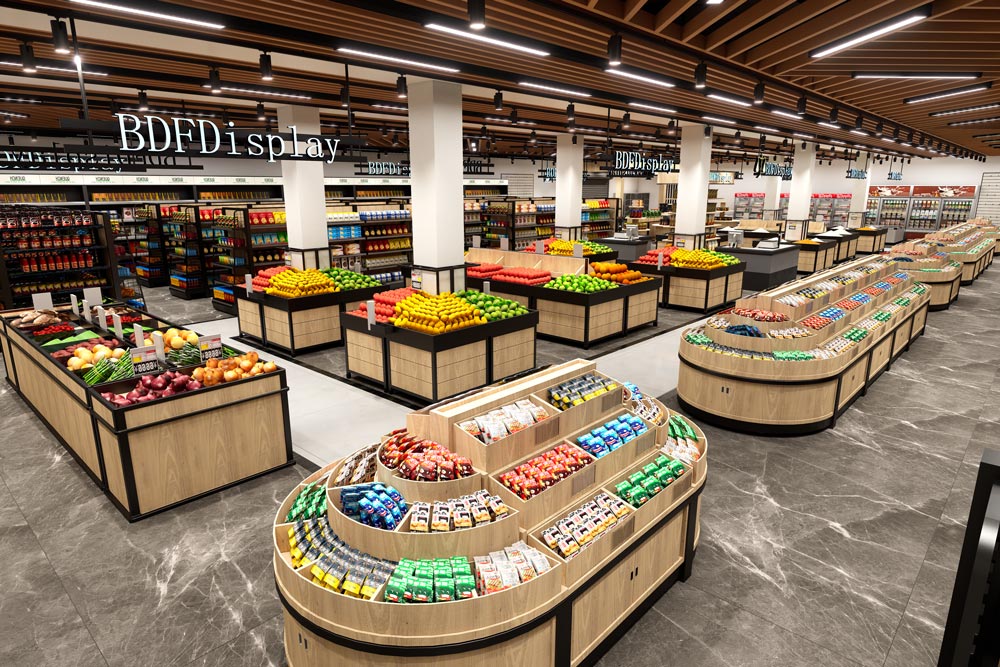
Fresh produce display fixtures for grocery stores
Click image → 360° VR Tour | Supermarket Project

Step 5: Choose the Right Location

Your store’s location really works for you — or against you. It’s that important.

Here’s what you need to check: Is the place visible from the road? Can customers get here without hassle?Got enough parking spots? Pay attention to pedestrians, the local crowd size, and all your nearby rivals.

When your store is out in the open and super accessible? You’ll get tons of walk-in customers, plus loyal shoppers who return time after time.

Spend some time exploring surrounding apartments, schools, offices and transit routes too. A great location will suit the crowd you’re aiming for, and help your business keep thriving down the road.

You have to follow through on all your plans, stay on top of every detail, and keep adjusting things as your shop runs day to day. Check your store’s performance often, stock items that locals actually want, and never stop making shopping better for everyone who walks in.

Why Store Layout Matters

Lots of new shop owners never pay much mind to how they arrange the store — but this part plays a huge role in whether your supermarket does well.

Get your floor plan right, and it works wonders: shoppers can move around easily, more goods catch their eye, crowds never pile up, and they’ll grab extra items on a whim too.

On the flip side, a messy layout will hurt your business. You’ll end up with quiet corners no one visits, jammed walkways, and plenty of empty space that goes to waste.

If you map out the space the smart way, every inch of your shop can bring in more sales, and people will enjoy their time shopping here. That’s why smart store owners always finish the layout plan first, before they buy any shelves and displays.

Don’t just draw plans on paper — you have to put everything into action. Take care of every small detail, and keep adjusting things as you go. Check how your store performs on a regular basis, switch up your products to match what local people like, and keep making the whole shopping trip better for everyone.

Step 6: Design an Efficient Store Layout

Lots of new shop owners never pay much mind to how they arrange the store — but this part plays a huge role in whether your supermarket does well.

Get your floor plan right, and it works wonders: shoppers can move around easily, more goods catch their eye, crowds never pile up, and they’ll grab extra items on a whim too.

A bad layout is bad news for your business.

You’ll have corners that nobody ever walks into. Walkways get all jammed up. Lots of good space just gets wasted too.

If you map out the space the smart way, every inch of your shop can bring in more sales, and people will enjoy their time shopping here. That’s why smart store owners always finish the layout plan first, before they buy any shelves and displays.

Don’t just draw plans on paper — you have to put everything into action. Stay on top of all the little things, and keep making small changes as you run the shop. Follow how your shop runs day in and day out. Tailor your goods to local tastes, and keep putting in work to give customers a better time.

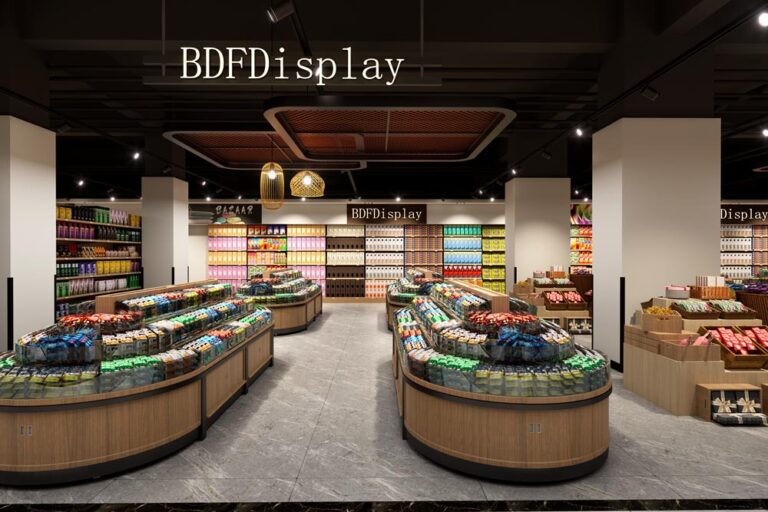
Retail supermarket business plan example
Click image → 360° VR Tour | Supermarket Project

Step 7: Design an Efficient Store Layout

Most new retail owners don’t pay attention to store arrangement, yet it’s key to running a successful supermarket.

When your layout works well, magic happens. Shoppers move with ease, products get more exposure, crowds stay under control, and impulse buys go up.

A bad setup is just trouble for your business.

You’ll have dead zones no one visits, crowded walkways, and tons of wasted space.

A thoughtful layout helps you maximize sales across the whole store, plus customers enjoy their visit. That’s why savvy retailers lock in the layout before purchasing any fixtures.

Stick to every plan you’ve made. Don’t let any small detail slip your mind, and keep adjusting your store little by little. Keep tabs on daily work, stock goods that locals fancy, and do your best to make every shopping trip enjoyable.


Free Store Layout Design Can Save Thousands of Dollars

Lots of new supermarket owners buy shelves and displays before they work out the store layout. This usually leaves space poorly used, and you end up buying gear you don’t really need.

A well-thought-out layout lets customers move around smoothly. It also helps you arrange goods properly, set proper aisle widths, pick the best spot for checkouts and make full use of storage areas.

Using a free layout design service helps you avoid expensive blunders and run the store more efficiently down the line. For anyone looking to grow their business, this is really worthwhile even before your doors open.

See your plans through fully and pay attention to every detail. Keep adjusting things as you go. Check how your store is doing regularly, stock items locals want, and keep making shopping more enjoyable for everyone.

Grocery store startup cost breakdown
Click image → 360° VR Tour | Supermarket Project

Step 8: Build Supplier Relationships

Good suppliers are the backbone of your shop. They keep your shelves fully stocked and help you keep prices competitive.

Try to work with multiple suppliers if you can — this keeps your supply stable if one runs into issues. Talk things through to get flexible payment rules, bulk discounts and suitable delivery times, so your cash flow stays steady.

Check how your suppliers work regularly and stay in close touch with them. Stick together long enough, and you’ll get better deals plus faster, preferential service.

Put your plans into action, take care of every detail and keep adjusting things as you go. Keep an eye on how your store is doing, update your stock to match local tastes, and keep making shopping nicer for customers.

Step 9: Obtain Licenses and Permits

Rules differ from area to area, but you’ll generally need a business registration, tax documents, sales permits, health certificates and food handling certifications. If you hire staff, you also need to finish employee registration.

Be sure to check all the rules with local officials before you open your doors. Skip any required paperwork, and your opening will get delayed. You’ll also run into legal troubles down the line.

Stick to your game plan. Don’t overlook small details. Make changes whenever needed. Track your business regularly, carry popular local items, and keep improving the in-store experience.

Step 10: Hire and Train Employees

Your staff matters a lot to shoppers and day-to-day work. Hire people you can trust, who love helping others and can handle a busy store.

Train them properly on customer service, stock management, food safety, checkout systems, product displays and all store rules. Regular training keeps service great and work running smoothly.

Follow your plans closely and take care of every little detail. Tweak things as you go along. Keep an eye on how the shop’s doing, stock what local customers like, and always make shopping better for everyone.

Gondola shelving used in retail supermarkets
Click image → 360° VR Tour | Supermarket Project

Marketing Your Supermarket

Start promoting your store long before you open. Set up a Google Business page, work on local search, stay active on social media and gather customers’ emails.

Run opening deals, launch reward plans and weekly discounts. Get involved in local events too — these will bring in more shoppers fast. Keep up your marketing work, and you’ll build a solid reputation and loyal regulars.

Follow your plans closely and take care of every little detail. Tweak things as you go along. Keep an eye on how the shop’s doing, stock what local customers like, and always make shopping better for everyone.

Merchandising Strategies That Increase Sales

Smart display work gets products seen and sparks extra sales. Group matching goods together, run promotions at aisle ends, and keep everything looking tidy and attractive.

Organized, fresh setups make your goods feel high-quality. Keep an eye on sales trends, and switch up product placements to match how customers shop.

See your plans through and handle every detail. Keep fine-tuning your store day by day. Stay on top of daily operations, stock what the community wants, and keep upping your service level.

Technology and Future Trends

These days, top supermarkets rely way more on data than just old experience.

POS sales data, inventory apps, self-checkouts and digital promotions all help your store run smoother and please more customers.

Technology and Future Trends

These days, top supermarkets rely way more on data than just old experience.

POS sales data, inventory apps, self-checkouts and digital promotions all help your store run smoother and please more customers.

The supermarket business keeps changing. Lots of shops now run both online and offline services, let customers pick up orders in store, use modern checkout machines, stock more local goods and offer exclusive discounts for shoppers.

You need to put plans into action, look after every small thing and keep making improvements. Track how your store is doing, stock what local people like, and keep upgrading your service all the time.

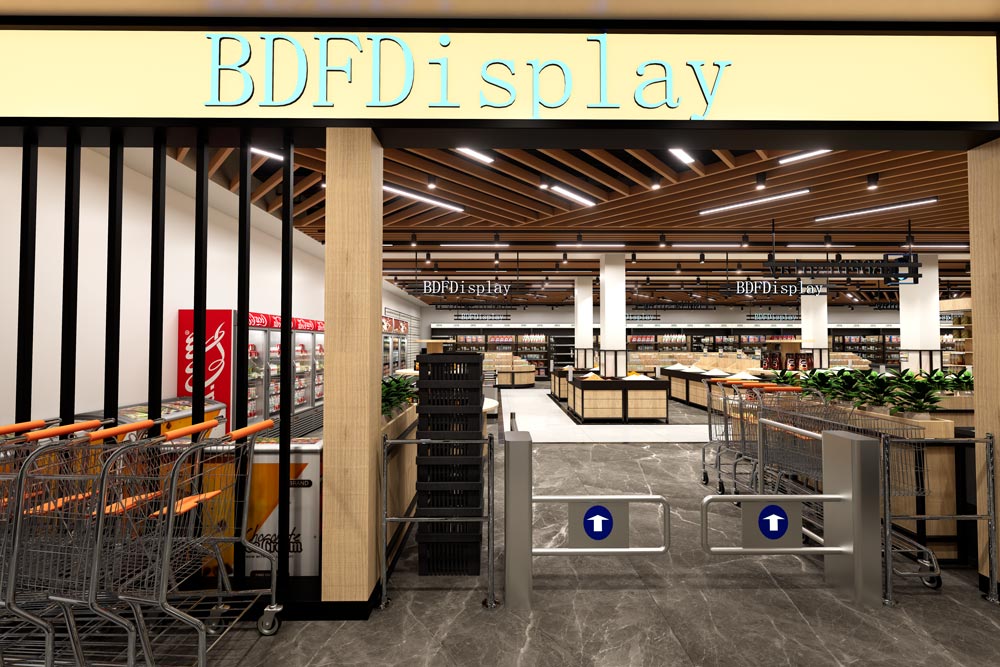
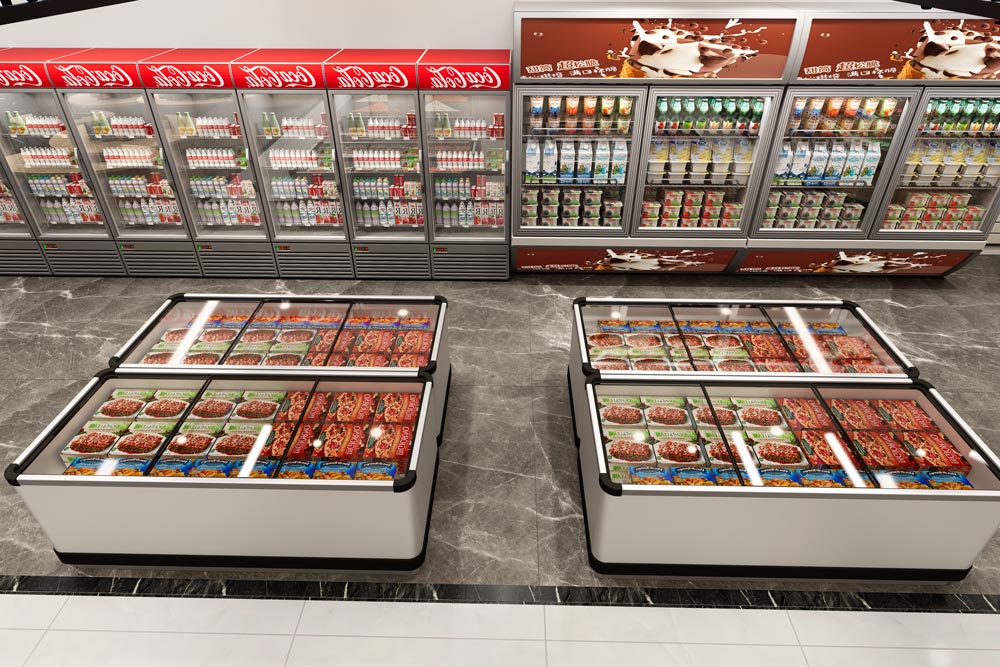
Retail supermarket checkout counter setup
Click image → 360° VR Tour | Supermarket Project

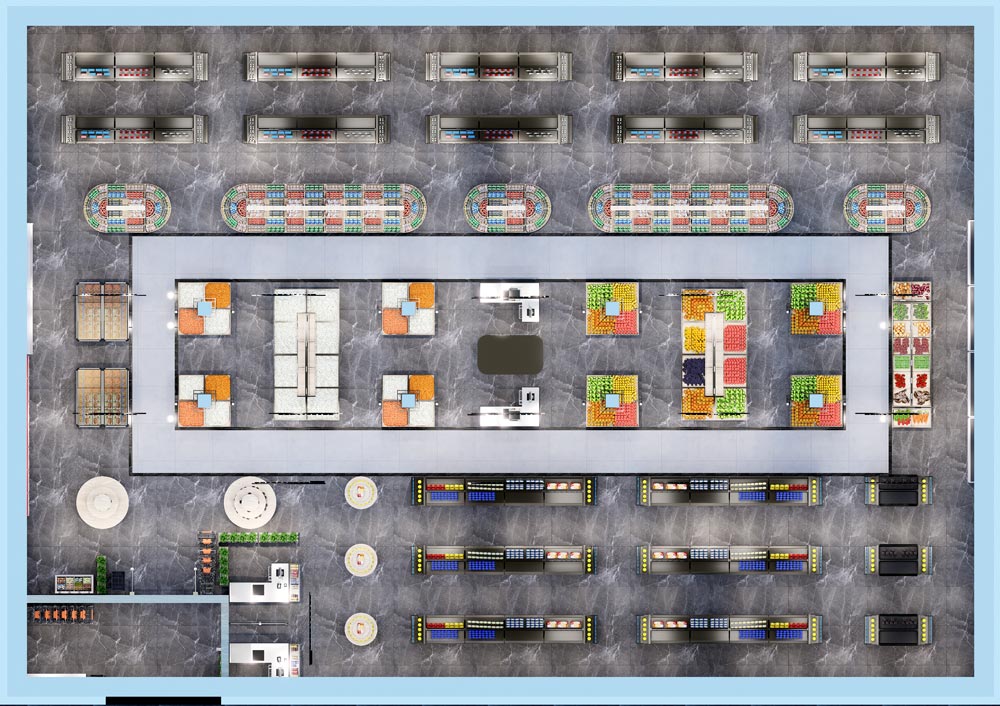
Example 3,000 Sq Ft Supermarket Layout

For a standard 3,000-square-foot supermarket, there’s a classic and practical layout. You can put fresh produce right at the front, line up regular grocery aisles in the middle, and place all the fridge and frozen items along the outer walls.

Set up promotional displays at busy walkway crossings, and keep the checkout area near the store exit. This layout lets customers see all your main products, while guiding them through the shop in a natural flow.

It all comes down to solid execution, careful planning, and constant small improvements. Keep checking your store’s performance, adjust your product selection to fit local customers’ needs, and always level up the overall shopping experience.

Conclusion

Running a supermarket isn’t easy — it takes solid planning, good market research, a professional store design, and consistent daily management.

The best-performing stores all have a few things in common: smart product merchandising, a well-organized layout, dependable suppliers, and great customer service.

If you’re opening a new supermarket, spending time on professional layout design and quality store fixtures really pays off in the long run. A well-planned store doesn’t just look nice — it drives more sales, keeps customer traffic flowing smoothly, and makes shopping way more pleasant for everyone.

At the end of the day, it’s all about taking action, planning carefully, and tweaking your store nonstop. Keep track of your business performance, adjust your products to fit local customers’ needs, and always keep improving the overall shopping experience.

Want to check out more retail store cases? Click the button below to learn more.


FAQ

How much does it cost to open a retail supermarket?

For a 1,000–1,500 sq ft neighborhood grocery store in the U.S., typical startup costs range from $50,000 to $150,000. For a standard 3,000 sq ft full-service supermarket, budgets usually fall between $200,000 and $500,000. Major expenses include rent deposits, store build-out & renovation, shelving & refrigeration equipment, initial inventory, business licensing, POS systems, and pre-opening marketing. Working with a professional store design team helps you avoid overbuying fixtures and optimize space use, which can cut unnecessary upfront costs by 15–25%.

Grocery stores operate on thin gross margins, typically 20–30% on most everyday items, with net profit margins averaging 2–5% for well-run locations. Profitability depends heavily on location, inventory turnover rate, average transaction value, and operational efficiency. Stores with optimized floor layout, strategic merchandising, and strong local customer loyalty often achieve above-average margins, especially when they add high-margin categories like fresh prepared food, specialty goods, or organic products.

Requirements vary by state and local municipality in the U.S., but standard permits for a retail supermarket include business registration, a sales tax permit, a food establishment license, health department inspection approval, and food handler certifications for all staff handling ready-to-eat items. If you sell alcohol, tobacco, or lottery tickets, you will need additional dedicated licenses. Always confirm full requirements with your local city/county clerk’s office and health department before opening to avoid costly delays.

For standard supermarkets with shopping carts, main traffic aisles should be 48–60 inches (4–5 feet) wide to allow two carts to pass comfortably and reduce congestion during peak hours. Secondary product aisles can be 36–42 inches wide. If your store prioritizes wheelchair access or serves high foot traffic, widen main aisles to at least 60 inches to comply with ADA guidelines and improve the overall shopping experience.

This depends on your budget, brand positioning, and long-term plans. Used shelving and fixtures cost less upfront, but often have wear, inconsistent sizing, and no warranty — they work best for tight-budget discount stores. For most new supermarkets, new commercial-grade fixtures (gondola shelving, produce displays, checkout counters) are the better long-term investment: they are durable, fully customizable, support professional layout planning, and create a cleaner, more appealing store image. Quality new fixtures also require less maintenance and last 10+ years with normal use.

Staffing depends on your store size, operating hours, and service level. A 3,000 sq ft supermarket open 12–16 hours a day typically needs 6–10 part-time and full-time employees, including cashiers, stockers, a produce/fresh department attendant, and a shift supervisor. For smaller 1,000–1,500 sq ft neighborhood shops, 3–5 staff members are usually sufficient to cover checkout, restocking, and customer service across daily shifts.

The highest-ROI marketing for local supermarkets is hyper-local, community-focused strategies. Top tactics include pre-opening flyers and grand opening discounts, a fully optimized Google Business Profile for local search, a customer loyalty program for repeat shoppers, weekly endcap promotions, and participation in local community events. Social media posts featuring fresh arrivals and special deals also resonate well with nearby residents. Word-of-mouth driven by friendly service and fair prices remains the most powerful long-term growth driver.

Yes, professional store layout design directly improves profitability in multiple measurable ways. A well-planned layout eliminates wasted floor space, increases total shelf capacity for more SKUs, guides customers through more product categories, and boosts impulse purchases at endcaps and checkout zones. It also reduces crowding and improves operational efficiency for staff. Taking advantage of free custom layout design before you purchase fixtures prevents costly ordering mistakes and ensures your store is built to maximize sales from day one.

Contact Us

Supermarket Layout Solutions

Clothing Store Fixtures

Children's clothing store

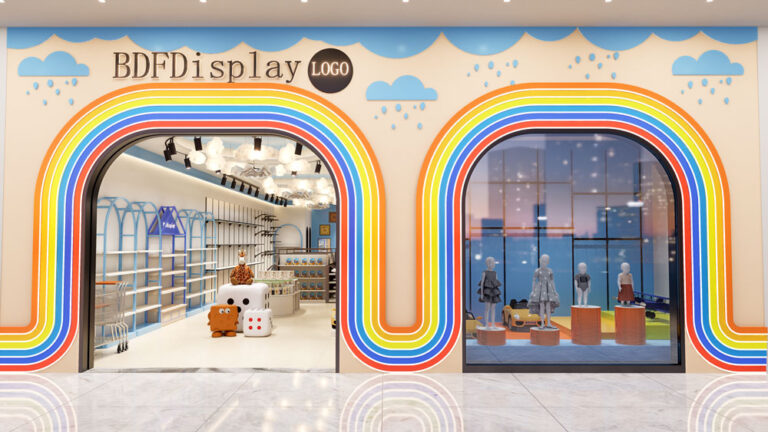
Mom & baby store front facade with rainbow arch entrance design

Mom & Baby Store Design

Modern kids clothing store interior design project — a full-store renovation for a children’s fashion brand expanding to a 1,000 sq ft retail location. Project

Read More »

Jewelry Shop Layout Solutions

Modern jewelry store service and checkout counter design

Luxury Jewelry Store Design

We provide free 3D luxury jewelry store design service for high-end jewellery boutiques, fashion accessory shops and luxury retail stores. Our professional design team focuses

Read More »

Send Us Your Requirements

Fill out the form below and we’ll get back to you within 24 hours with a detailed quote or proposal.

Prefer WhatsApp?

Scan to chat with BDF Display on WhatsApp for a free custom quote Call

+8613710863392

sales@biaodefu.net

Scan the QR code or click the button below to chat with us directly on WhatsApp. Faster response, real-time communication.

Perfect for:

  • Quick questions and instant answers
  • Sharing photos and references
  • Voice messages and calls
  • Real-time project updates